


Volta Ciclista a Catalunya 2027 – Catalonia, Spain
What to expect
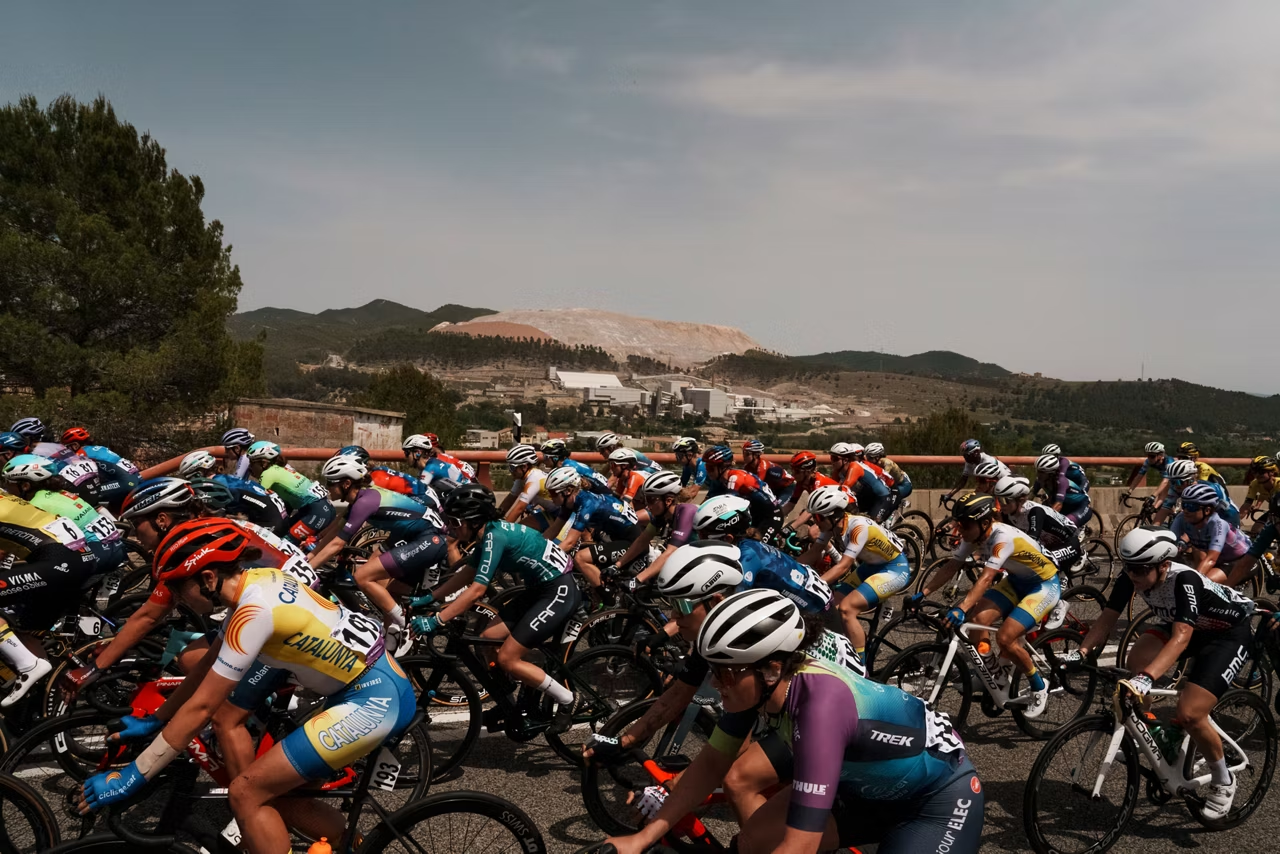
Volta Ciclista a Catalunya is one of Spain’s most prestigious professional stage races and one of the longest-running events on the international cycling calendar. The race takes place across Catalonia, combining demanding mountain stages, fast road sections, technical finishes and a highly competitive field of UCI WorldTour riders.
The 2027 men’s edition will be the 106th edition of the Volta. The organisers have confirmed the event as part of the UCI WorldTour calendar, continuing a tradition that has produced winners including Jonas Vingegaard, Tadej Pogačar, Primož Roglič, Alejandro Valverde, Nairo Quintana and other major names in professional cycling.
The race is particularly attractive because of the variety of terrain found in Catalonia. Flat and rolling stages can produce sprint finishes or breakaway victories, while the Pyrenean and high-mountain stages are generally decisive for the general classification.
Enjoy Your Event Stress-Free with Spain Travelo
Planning a trip around a festival, concert, cultural celebration, or business event in Spain can be time-consuming—finding tickets, accommodation, transportation, and local information takes effort. Spain Travelo makes it easier by bringing essential event information, travel planning, and support together in one place.
Barcelona traditionally provides the dramatic finale, with the famous Montjuïc circuit forming one of the defining features of the closing stage. The city-centre finish gives spectators an opportunity to watch elite cyclists at close range after a week of racing across Catalonia.
For visitors, the Volta is more than a single sporting venue. Each stage creates a temporary cycling arena in a different Catalan town or region, allowing spectators to combine professional cycling with beaches, historic cities, mountain landscapes, gastronomy and cultural attractions.
The 2027 race dates have been officially confirmed, but the detailed stage route and individual start and finish locations have not yet been announced. The organisers are expected to reveal the complete route closer to the event.
Match/event dates
March 22 – 28, 2027
The organisers officially announced that the men’s Volta Ciclista a Catalunya will take place from March 22 to 28, 2027. The UCI has confirmed the calendar placement, while the official Volta website currently displays the same period for the 2027 men’s race.
The 2027 edition will consist of seven stages, following the established format of the race. The exact stage-by-stage route, start towns, finish towns, distances and climbing profiles have not yet been released.
The dates should therefore be treated as confirmed, while the detailed route remains subject to the organiser’s official announcement.
Visiting this event? Don’t miss out on these amazing activities and local experiences while you’re here.
Stadium & sports venue
Volta Ciclista a Catalunya does not have one permanent stadium or sports venue. Instead, Catalonia itself becomes the competition venue, with each stage starting and finishing in different locations.
The race normally uses public roads through towns, countryside, coastal areas and mountain regions. This makes the event particularly accessible to spectators because fans can watch the peloton from appropriate roadside locations rather than purchasing access to a conventional stadium.
Barcelona has traditionally been one of the most important venues. The final stage has repeatedly featured the Montjuïc area, with the Alt del Castell de Montjuïc providing a demanding circuit where riders repeatedly climb before heading toward the finish.
The most recent edition finished in Barcelona after seven ascents of the Alt del Castell de Montjuïc. The final stage started and finished in Barcelona and covered 95.1 kilometres.
The 2027 start and finish locations have not yet been announced. Once published, the official route will identify the towns and cities hosting each stage.
For spectators, this means choosing a venue according to the type of racing they want to see. Mountain stages are ideal for fans interested in attacks and general-classification battles, while flatter stages may offer better opportunities to watch sprint finishes.
Full fixture or event schedule
The complete 2027 stage programme has not yet been announced. The race will follow a seven-stage structure, with the route expected to combine different types of terrain across Catalonia.
Opening stages
The opening part of the race traditionally introduces the peloton to the Catalan roads with flat or rolling terrain. These stages can provide opportunities for sprinters, breakaway riders and early general-classification contenders.
Mountain stages
The middle and later sections normally contain the most important climbing tests. These stages can include high-mountain roads and summit finishes, creating significant differences between the strongest general-classification riders.
Decisive mountain battles
The hardest stages are usually where the overall leader is established or where significant time gaps develop. Recent editions have featured finishes such as La Molina, Coll de Pal and Queralt.
Final Barcelona stage
Barcelona traditionally provides the closing stage. The Montjuïc circuit has become a recognisable part of the race and can produce attacks even when the overall classification has already been decided.
Podium ceremony
After the final stage, the overall winner and classification leaders receive their official awards.
The detailed 2027 programme should be checked on the official Volta website once the organisers publish the route.
Teams, athletes & participants
The Volta attracts many of the strongest professional cyclists in the world. As a UCI WorldTour race, it regularly features WorldTeams alongside selected UCI ProTeams.
The 2027 participating teams have not yet been officially announced. The previous edition featured 23 teams, including 17 UCI WorldTeams and five invited UCI ProTeams, creating a peloton of more than 160 riders.
The quality of the field is one of the event’s main attractions. The recent edition included Jonas Vingegaard, Remco Evenepoel, João Almeida, Tom Pidcock, Florian Lipowitz, Mikel Landa and other major international riders.
The race particularly attracts general-classification specialists and climbers because of the demanding mountain stages.
General-classification contenders
These riders aim to maintain consistent performance throughout all seven stages and finish with the lowest overall time.
Climbers
Strong climbers are particularly important when the race reaches the Pyrenees and other major mountain sections.
Sprinters
Flat and rolling stages can give fast finishers opportunities to win individual stages.
Breakaway specialists
Aggressive riders often try to establish early breaks and fight for stage victories or classification points.
Young riders
The race also provides an important opportunity for emerging professionals to compete alongside established WorldTour stars.
The final 2027 rider list should be confirmed by the organisers closer to the race.
Tournament format & competition structure
Volta Ciclista a Catalunya is a seven-stage professional road race. The winner is determined by cumulative time across all stages rather than by winning the greatest number of individual stages.
Every rider receives an individual finishing time on each stage. Time differences are then added to the general classification, making consistency extremely important.
The race also awards several classification jerseys and prizes.
General classification
The overall leader wears the green-and-white leader’s jersey. The rider with the lowest cumulative time at the end of the race wins the Volta.
Points classification
The points classification rewards riders who perform strongly in stage finishes and designated scoring locations. Its leader wears the white-and-blue jersey.
Mountain classification
Points are awarded at categorised climbs. The best climber wears the white-and-red jersey.
Youth classification
The best eligible young rider competes for the white-and-orange jersey.
Best Catalan rider
The race also recognises the highest-ranked Catalan rider with a special classification jersey.
Team classification
The performances of riders from each team are combined to establish the team classification.
Combativity prize
Each stage also includes recognition for the most combative rider.
This mixture of classifications ensures that different types of riders can have meaningful objectives throughout the race.
Match/event times
The exact 2027 stage start and finish times have not yet been published.
Professional cycling stages normally begin during the daytime and finish later in the afternoon, although the exact schedule depends on the length and profile of each stage.
Spectators should wait for the official route and roadbook before planning an exact arrival time. Stage departure locations can become busy before the peloton arrives, while popular mountain climbs can attract large crowds.
The final Barcelona stage is especially attractive for spectators because the repeated Montjuïc circuit allows fans to see the riders pass multiple times rather than only once. The most recent edition included seven ascents of the Alt del Castell de Montjuïc.
Visitors planning to watch from a mountain climb should arrive well before the expected passage of the peloton because road closures can restrict access once the race convoy approaches.
Ticket types
Volta Ciclista a Catalunya is an open-road cycling event rather than a ticketed stadium competition. Spectators generally watch the race from public roadside areas and do not require a standard admission ticket.
Roadside viewing
Fans can watch the race from suitable public areas along the route without purchasing conventional race admission.
Stage-start viewing
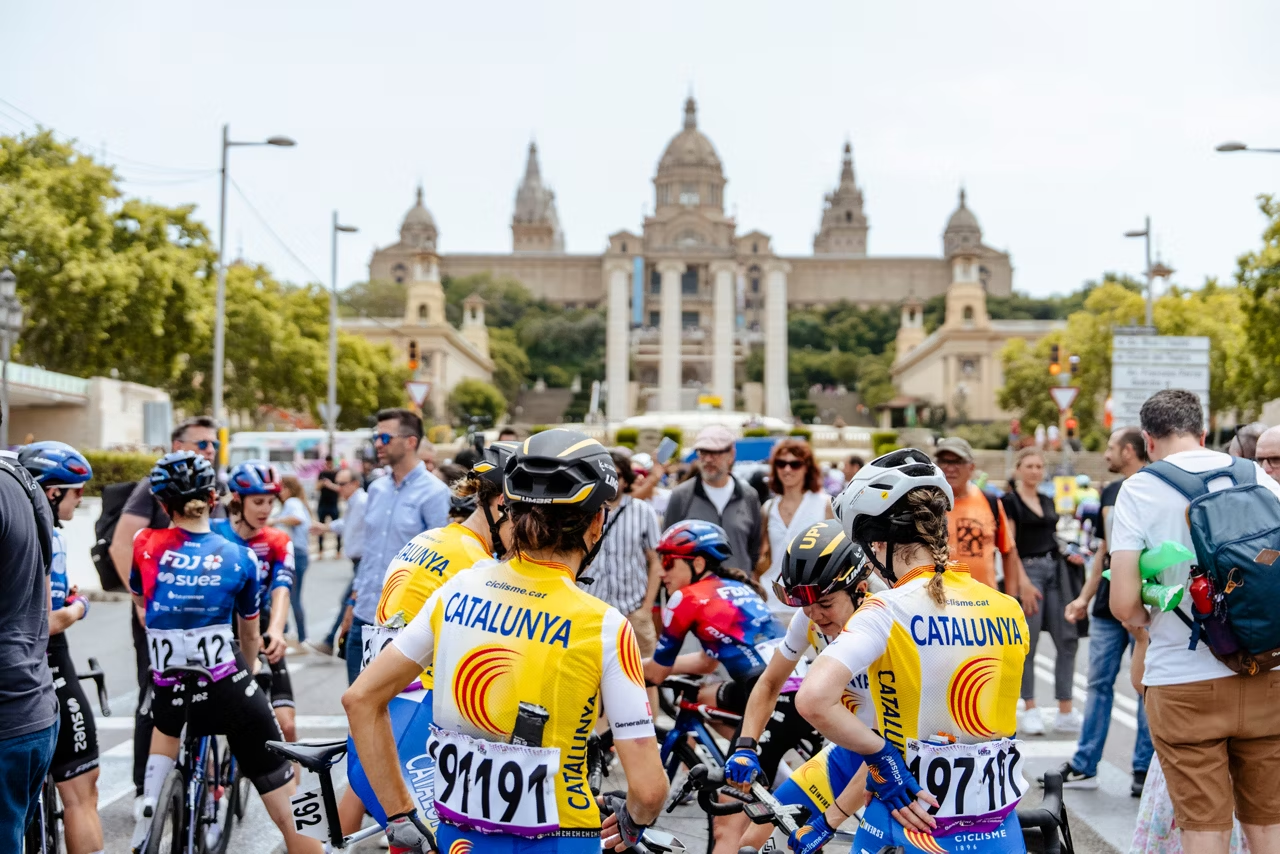
Start areas can provide opportunities to see teams preparing and riders signing in before the race.
Mountain viewing
Climbs are particularly popular with cycling fans because riders often pass spectators at lower speeds and the racing becomes more aggressive.
Barcelona viewing
The final stage provides some of the best spectator opportunities because the Montjuïc circuit allows repeated views of the peloton.
Hospitality
Any premium or controlled-access hospitality options are separate from ordinary roadside viewing and should be checked through the official organiser.
There is no standard public race-ticket price to convert into USD because normal roadside attendance does not operate through paid general admission.
Ticket release phases
The Volta does not normally operate a conventional ticket-release system like a football tournament or arena event.
General public viewing
Normal roadside spectator access is generally free, subject to public safety arrangements and any restricted areas established by authorities.
Start areas
Certain team and race-control areas may be restricted to accredited participants, officials, media or authorised guests.
Hospitality
Premium hospitality arrangements, if offered for the 2027 edition, are handled separately from general spectator access.
Race-day restrictions
Local authorities may establish temporary barriers, traffic controls or restricted pedestrian zones around the start and finish.
Spectators should therefore rely on the official race information for access instructions rather than expecting a conventional ticketing process.
VIP & hospitality options
The Volta is primarily designed as a public-road sporting event, so its main spectator experience does not depend on VIP seating.
The organisers’ official website should be checked for any 2027 hospitality packages, corporate opportunities or controlled-access experiences once the event programme is finalised.
For businesses, cycling groups and sponsors, hospitality can provide a more structured way to experience the race, particularly around stage starts, finishes and official event areas.
Because no confirmed 2027 public hospitality price has been published, it would be misleading to invent a dollar amount or present an old package as a confirmed 2027 price.
Visitors seeking a premium experience should contact the organisation directly through the official Volta channels.
Stadium & event rules
The race takes place on public roads, so spectator safety is particularly important.
Stay behind barriers
Where barriers or controlled viewing zones are installed, spectators should remain behind them.
Keep off the course
Never enter the racing road when cyclists, team vehicles, motorcycles or the race convoy are approaching.
Follow officials
Police officers, race marshals and local authorities can restrict movement for safety reasons.
Do not obstruct riders
Spectators should not run alongside cyclists, touch riders or place objects in their path.
Respect local restrictions
Temporary road closures and pedestrian restrictions may be introduced around stage starts, finishes and important climbs.
Watch children carefully
Popular climbs and finishes can become crowded, so families should choose a safe viewing location away from the racing line.
The exact spectator-management arrangements will vary from stage to stage and will be published with the final route and local traffic plans.
How to get there
Because the Volta travels across Catalonia, the best transport option depends on the stage a visitor wants to watch.
Barcelona is the most useful international gateway for many overseas visitors. The city has major air, rail and road connections and is also the traditional location for the final stage.
Girona is another important base for stages in northeastern Catalonia, particularly when the race passes through the Girona and Costa Brava areas.
For mountain stages, visitors may need to travel considerably farther from the major cities. Rental cars can therefore be useful for reaching remote climbs, although race-day road closures must be considered.
Rail and regional bus services can be practical for urban or semi-urban stages. Cycling is also an excellent option for local spectators, although riders should plan carefully around road closures and restricted access.
Once the 2027 route is announced, visitors should select their transport according to the specific start or viewing location.
Public transport & parking
Public transport is generally the easiest choice for spectators attending stages in major Catalan cities.
Barcelona has extensive metro, bus and rail connections, while Girona, Tarragona and other major centres are also connected by regional transport.
Rail
Regional and long-distance trains can be useful for reaching larger towns hosting stage starts or finishes.
Local buses
Bus services can provide access to urban start and finish areas, although routes may be temporarily modified during race operations.
Walking
Central finishes are often easiest to reach on foot after leaving a vehicle outside the controlled race zone.
Cycling
Cycling can be convenient for local spectators, but riders must obey police instructions and temporary restrictions.
Parking
Parking is likely to be more difficult near stage starts, finishes and mountain climbs. Visitors using a car should consider parking outside the immediate race zone and walking to the viewing area.
The official route and local authorities should be consulted for the final 2027 traffic plan.
Accommodation areas
Because the race moves across Catalonia, there is no single accommodation area that works for every stage.
Barcelona
Barcelona is the best choice for visitors who want to experience the final stage and combine cycling with a major city break. The city has a huge range of hotels, apartments and hostels.
Girona
Girona is an excellent base for exploring northeastern Catalonia and is particularly attractive to cycling tourists because of its established cycling culture.
Costa Brava
Coastal destinations can be useful when stages pass through Girona province and the Mediterranean coast.
Tarragona and Costa Daurada
These areas are suitable for spectators following stages in southern Catalonia.
Pyrenean towns
For mountain stages, staying close to the relevant mountain destination is generally preferable to travelling from Barcelona on race day.
The best accommodation strategy depends on whether visitors want to follow one stage or travel with the race throughout the week.
Food & drink at the venue
There is no single permanent race venue with a dedicated food court because the Volta takes place across public roads and multiple towns.
Instead, spectators can use local cafés, restaurants, bakeries and food businesses around each stage start and finish.
Catalonia offers a particularly strong culinary experience, with local dishes varying between the coast, inland areas, mountain communities and major cities.
Barcelona
Visitors can find everything from traditional Catalan cuisine to international restaurants and modern dining.
Girona
The province is particularly well known for its culinary culture and is an important destination for food-focused travellers.
Costa Daurada
Coastal stages provide access to seafood, Mediterranean cuisine and local wines.
Mountain areas
Visitors should bring water and snacks when travelling to remote climbs because commercial food facilities may be limited.
For race-day mountain viewing, it is safer to arrive prepared with sufficient water and food rather than assuming there will be shops directly beside the course.
Accessibility
Accessibility varies considerably between urban stage locations and remote mountain sections.
Major cities such as Barcelona generally provide the strongest infrastructure for visitors with mobility requirements, including accessible public transport, paved streets and established facilities.
Urban finishes
City-centre viewing locations are generally easier to reach than mountain roads.
Public transport
Visitors should confirm accessibility arrangements with the specific rail or bus operator before travelling.
Mountain climbs
Remote viewing points can involve steep gradients, uneven surfaces, narrow roads and limited accessible facilities.
Crowded areas
Popular finishes and climbs can become heavily congested, making advance planning particularly important.
Visitors with specific accessibility requirements should contact the event organisation and local transport authorities before choosing a viewing location.
Best matches/events to attend
Mountain stages
The high-mountain stages are the best choice for fans who want to see the general-classification contenders fight directly against one another. Recent editions have featured major summit finishes that produced substantial time differences.
La Molina and Coll de Pal
These mountain areas have recently provided some of the most important moments of the race. The previous edition saw Jonas Vingegaard attack in the final kilometres and take both the stage victory and the overall lead.
Queralt
The climb to Queralt has also been a decisive location. The previous edition saw Vingegaard win again after attacking near the summit while crowds lined the climb.
Barcelona finale
The final stage in Barcelona is one of the best choices for casual visitors because the repeated Montjuïc circuit allows spectators to see the riders several times.
Stage starts
Stage starts offer opportunities to watch teams prepare, see riders close to the public and experience the atmosphere before the peloton departs.
Previous year’s highlights
The latest completed edition was won by Jonas Vingegaard, who became the first Danish winner in the history of the Volta Ciclista a Catalunya. He finished ahead of France’s Lenny Martínez and Germany’s Florian Lipowitz.
Vingegaard’s victory was built around the high mountains. He won the mountain finish at La Molina/Coll de Pal and then followed it with another stage victory at Queralt, establishing a decisive advantage in the general classification.
The final stage in Barcelona was still highly competitive. Brady Gilmore won the stage in a selective sprint after the peloton completed seven ascents of the Alt del Castell de Montjuïc. Dorian Godon and Remco Evenepoel completed the leading sprint group.
The 2026 race covered a total of 1,056.9 kilometres across seven stages. Vingegaard completed the general classification in 25 hours, 56 minutes and 36 seconds, with Martínez 1 minute 22 seconds behind and Lipowitz 1 minute 30 seconds behind.
The race also produced strong performances from riders outside the overall podium. Dorian Godon won two stages and the points classification, while Giulio Ciccone took the mountains classification. Lenny Martínez won the youth classification and Red Bull-Bora-Hansgrohe took the team classification.
The result continued the Volta’s recent tradition of producing elite winners. Vingegaard followed Primož Roglič, who won the race in 2023 and 2025, and Tadej Pogačar, who won in 2024.
Official tickets
Volta Ciclista a Catalunya is primarily an open-road cycling event, so ordinary spectators generally do not need a conventional race ticket to watch the peloton from appropriate public areas.
There is no standard general-admission ticket price to convert into USD. Spectators can normally experience the racing from public roads, while access to specific controlled areas may be restricted to accredited participants, officials, media or authorised guests.
The official organiser is the best source for any hospitality, VIP or special-access opportunities associated with the 2027 edition.
Official website: Volta Ciclista a Catalunya official website (https://www.voltacatalunya.cat/)
Official contact: info@voltacatalunya.cat
The official website currently confirms the 2027 race period and will publish the detailed route, stage locations, participating teams, race information and other announcements as they become available.
Tickets Sell Out
in Minutes
Maps
Contact
Video
FAQ's
Is Volta Ciclista a Catalunya 2027 officially confirmed?
Yes, the 2027 men's Volta Ciclista a Catalunya has been officially confirmed as a seven-stage UCI WorldTour race. The organisers and UCI have confirmed the event period, while the detailed stage route and individual start and finish locations are still to be announced. The 2027 edition will be the 106th edition of the historic Catalan stage race.
Where will Volta Ciclista a Catalunya 2027 take place?
The race will take place across Catalonia rather than inside one permanent sports venue, with different towns and cities hosting stage starts and finishes. Barcelona traditionally plays an important role in the final stage, while previous editions have included locations across the coast, countryside and Pyrenees. The complete 2027 route has not yet been published by the organisers.
What type of cyclists compete in the Volta Ciclista a Catalunya?
The race attracts elite professional cyclists from UCI WorldTeams and selected UCI ProTeams, particularly riders specialising in stage racing, climbing and general-classification competition. The most recent edition included Jonas Vingegaard, Remco Evenepoel, João Almeida, Tom Pidcock and other major international riders. The final 2027 team and rider list will be announced separately.
Is Volta Ciclista a Catalunya a one-day race or a stage race?
Volta Ciclista a Catalunya is a multi-stage professional road race consisting of seven stages, with the overall winner determined by cumulative time across the event. Different classifications also reward points scorers, climbers, young riders, teams and the most combative cyclists. This structure means a rider can target individual stage victories while another focuses on protecting the overall classification.
What makes the Volta Ciclista a Catalunya difficult?
The race combines long road stages with steep mountain climbs, technical terrain and demanding finishes, making it particularly challenging for general-classification riders. Recent editions have included major mountain battles at locations such as La Molina, Coll de Pal and Queralt, followed by an explosive Barcelona finale. The mixture of climbing, positioning, weather and tactical racing is what makes the Volta one of the most demanding stage races on the Spanish calendar.