Sónar Barcelona 2027 – Spain
Overview
Sónar Barcelona 2027 is the upcoming edition of Sónar, Barcelona’s internationally recognized festival dedicated to electronic music, creativity, technology and contemporary culture. The event brings together DJs, live electronic performers, audiovisual artists, designers, researchers, technologists and creative professionals within a programme that extends beyond conventional music festivals.
Sónar has been an important part of Barcelona’s cultural calendar since its creation in 1994. The festival describes itself as a meeting point for music, innovation and creativity, combining performances and club culture with digital art, audiovisual installations, talks, exhibitions and technology-focused projects. Its official history records editions stretching back to the 1990s and describes the festival as bringing together more than 125,000 people each summer across its venues and wider city activities.
The 2027 edition is scheduled to return to Fira Gran Via, one of the largest and most modern exhibition venues in Europe. Fira de Barcelona lists Sónar among its confirmed events at the Gran Via venue, while Sónar’s own website is already promoting the upcoming edition.
Enjoy Your Event Stress-Free with Spain Travelo
Planning a trip around a festival, concert, cultural celebration, or business event in Spain can be time-consuming—finding tickets, accommodation, transportation, and local information takes effort. Spain Travelo makes it easier by bringing essential event information, travel planning, and support together in one place.
Sónar is particularly distinctive because it does not treat music, technology and visual culture as completely separate areas. Its programme can place a major electronic artist alongside an experimental audiovisual performance, an interactive digital installation, an innovative club project or a discussion about artificial intelligence and creativity.
The festival is also closely connected with Barcelona itself. Alongside the main event, Sónar Week has traditionally incorporated activities around the city, while Sónar+D provides a dedicated environment for ideas, research, technology, art and creative industries.
For visitors travelling from outside Spain, Sónar offers the possibility of combining an internationally established electronic music festival with Barcelona’s architecture, museums, beaches, restaurants, nightlife and Mediterranean atmosphere.
What Makes This Event Special
Music and technology together
Sónar’s identity is based on the relationship between advanced music, creative technology and contemporary culture. Rather than simply adding technology as a visual element, the festival regularly presents artists and projects that use software, artificial intelligence, audiovisual systems, interactive media and experimental production as part of the creative process.
Electronic music at the centre
Electronic music remains fundamental to Sónar. The programme can cover techno, house, experimental electronics, bass music, ambient sounds, rave, breakbeat, drum and bass, electro, audiovisual performance and other forms of contemporary club culture.
Sónar by Day and Sónar by Night
The festival has historically developed distinct daytime and nighttime identities. Daytime programming has included concerts, DJ performances, audiovisual work, conferences, exhibitions and creative projects, while nighttime programming has focused heavily on large-scale electronic performances and club culture.
Sónar+D
Sónar+D adds an innovation-focused dimension to the overall Sónar ecosystem. It brings together artists, scientists, researchers, technologists, designers and creative professionals through talks, panels, exhibitions, performances and networking opportunities.
Audiovisual experimentation
Sónar frequently presents performances where sound and visual design are developed together. Previous programmes have included immersive audiovisual shows, digital installations and artists working at the intersection of electronic music, visual art and emerging technologies.
International creative community
The festival attracts audiences and participants from many countries, creating an environment where musicians, programmers, designers, researchers, entrepreneurs and creative professionals can interact.
Barcelona setting
Sónar is deeply associated with Barcelona’s cultural and creative scene. Its wider Sónar Week concept has included activities in different parts of the city, allowing the festival to function as a broader cultural platform rather than a single-site concert.
Lineup / Featured Artists
The complete Sónar Barcelona 2027 lineup has not yet been announced. The official Sónar website is currently promoting the upcoming edition and inviting audiences to subscribe for news about the 2027 programme.
This means individual artists should not be presented as confirmed 2027 performers unless they are officially announced by Sónar. The festival generally reveals its programme progressively, so additional announcements can be expected as the edition develops.
The most recent edition provides a useful indication of the festival’s musical range. Its programme included artists such as Amelie Lens, Charlotte de Witte, Cabaret Voltaire, Dom Dolla, Joy Orbison, Kelis, KETTAMA, Nia Archives, The Prodigy, Skepta, Sammy Virji, Two Shell and WhoMadeWho.
Sónar has also continued to emphasize audiovisual and experimental projects. Recent programming included Daito Manabe, Reinier Zonneveld’s R2 project and STOOR Live, the collaborative hardware-based project led by Speedy J.
The 2027 programme is therefore likely to include a mixture of established electronic artists, DJs, live acts, audiovisual performances and emerging performers, but the confirmed artist list should be checked directly through Sónar when announcements are published.
For visitors who are interested in the festival’s creative side rather than only its headline DJs, the eventual programme should also be examined for installations, technology projects, Sónar+D activities and special audiovisual performances.
Event Experience
Live electronic performances
Music remains at the heart of Sónar. The festival’s stages accommodate DJs, live electronic acts and hybrid performances, with programming ranging from underground club culture to large-scale international productions.
Immersive visual environments
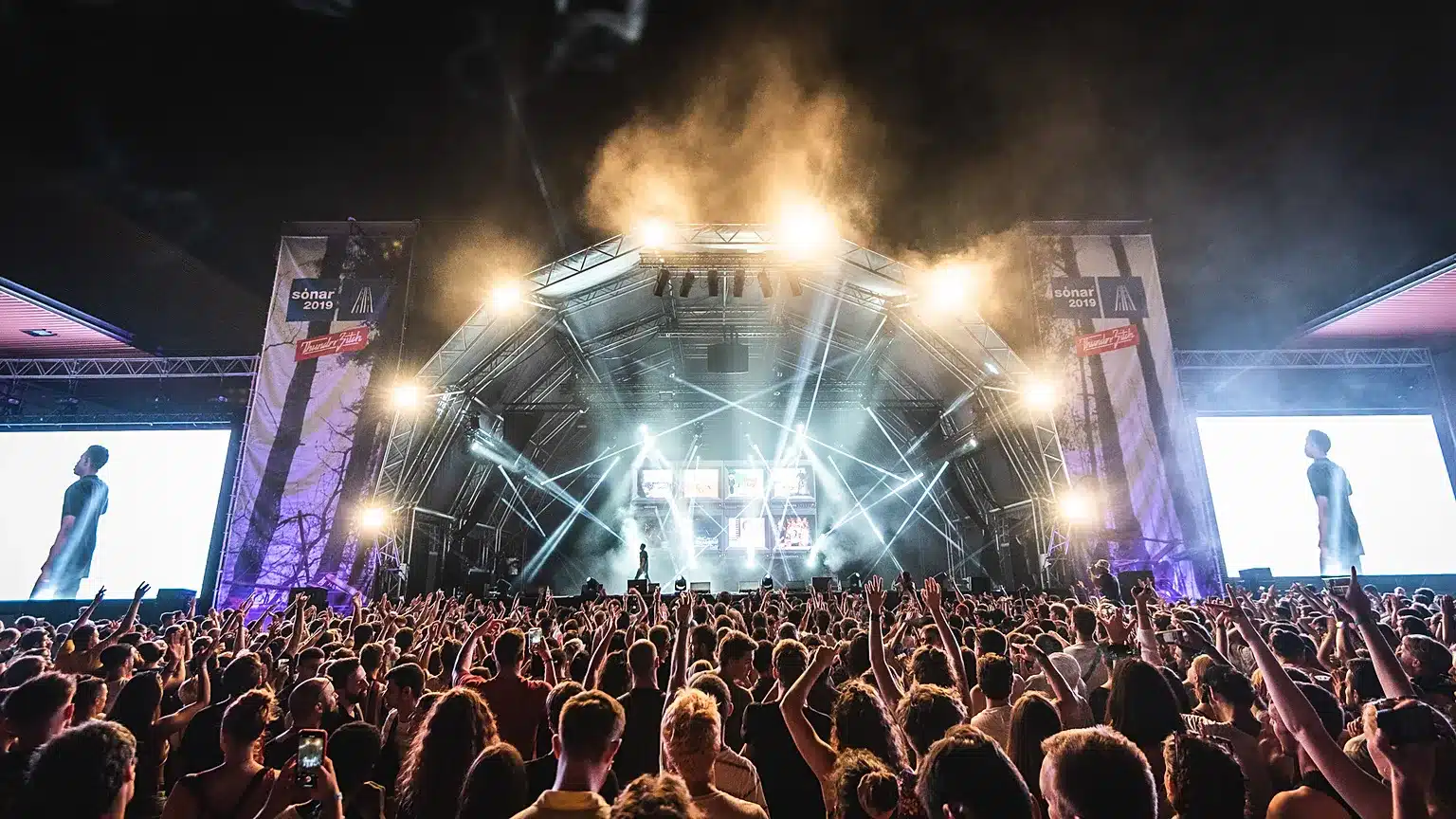
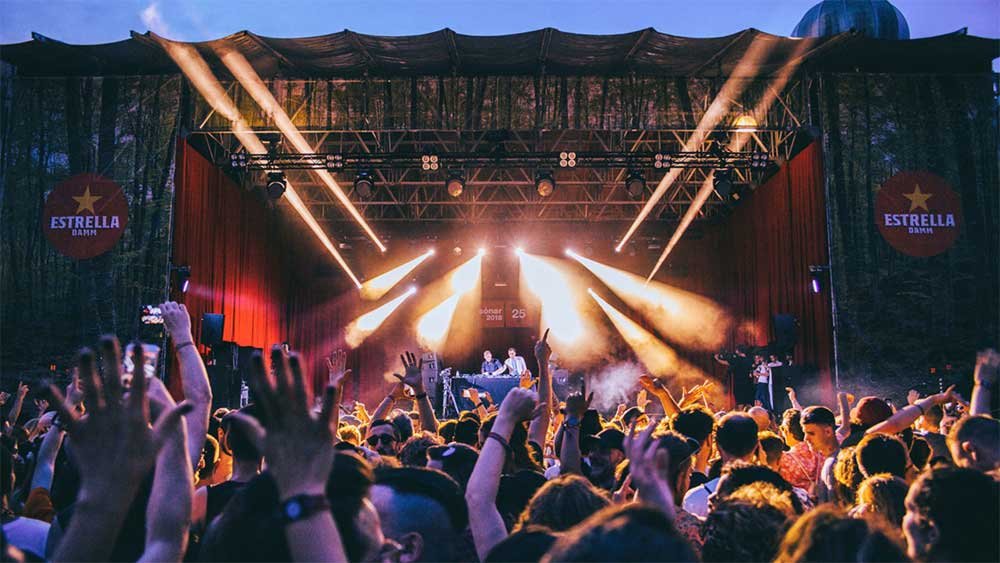
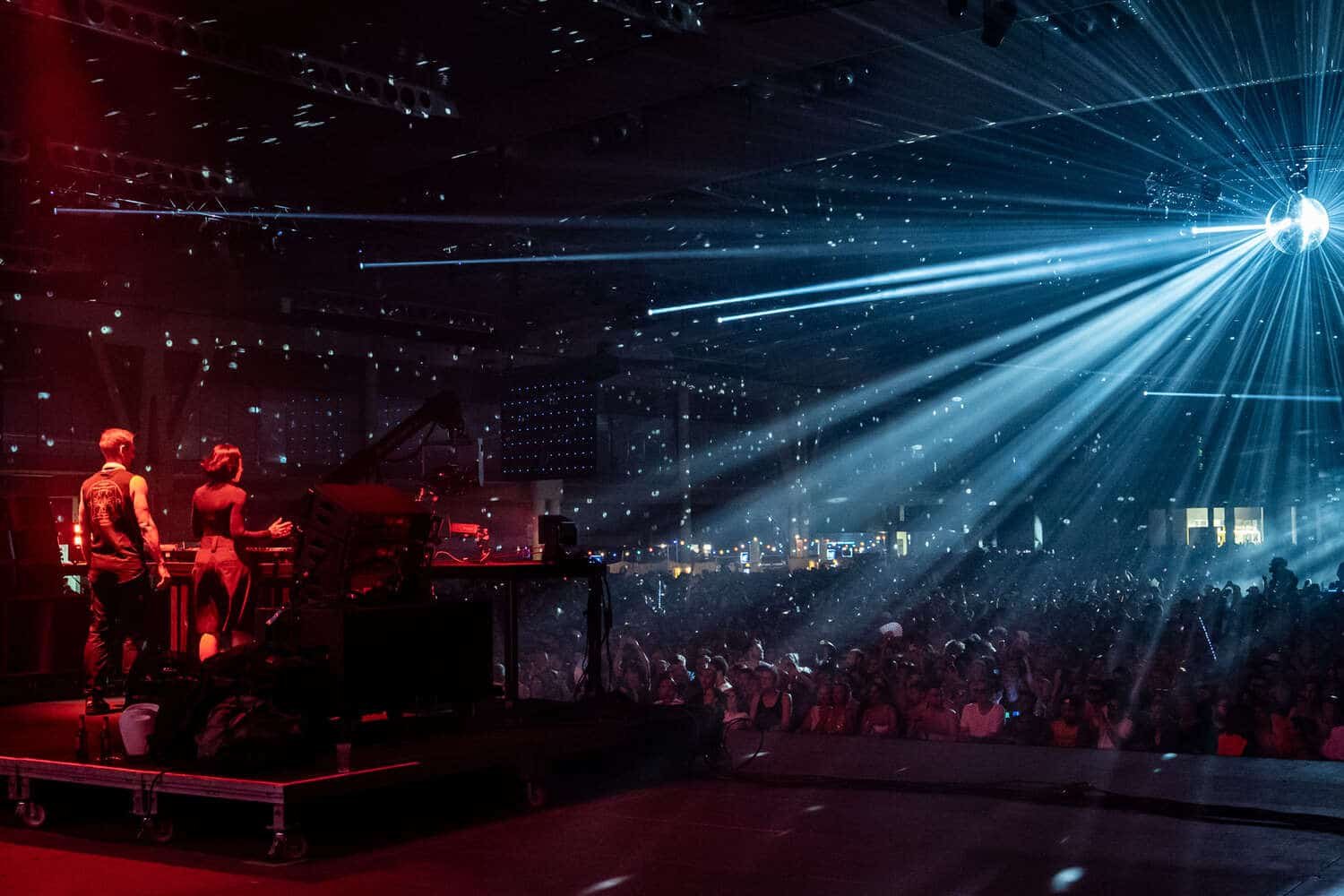
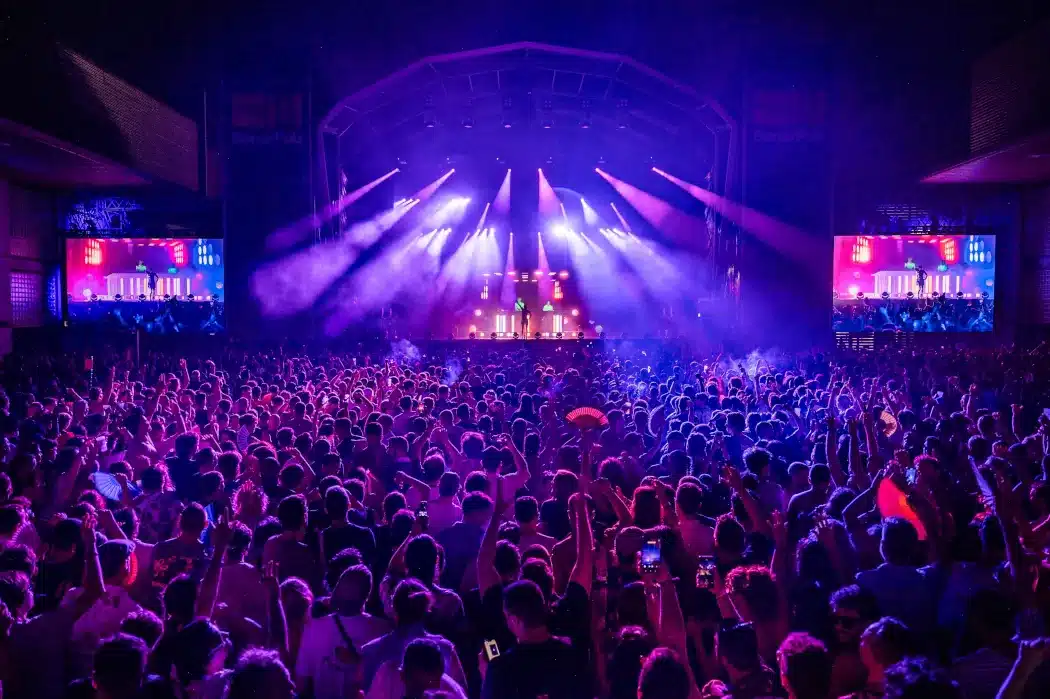
Sónar frequently treats stage design and visual production as an integral part of the performance. Large LED systems, projection, lighting, digital graphics and audiovisual installations can transform the festival environment throughout the programme.
Club culture
The festival has a strong connection to Barcelona’s electronic music and nightlife culture. Its stages can shift from daytime performances into extended nighttime sessions, creating a continuous atmosphere that differs from a conventional daytime music festival.
Sónar+D experiences
Visitors interested in technology and creative industries can explore Sónar+D programming, where discussions, exhibitions, interactive projects and performances explore relationships between creativity and technological development.
Discovering new artists
Sónar has historically provided space for emerging musicians and experimental creators alongside internationally recognized artists. This creates opportunities for attendees to encounter sounds and performance formats they may not experience at mainstream festivals.
Long festival days
The combination of daytime cultural activities and nighttime music can make Sónar an intensive experience. Visitors attending several sessions should plan breaks, food, water and transportation rather than attempting to remain active continuously.
Date & Schedule
Sónar Barcelona 2027 will take place from June 17–19, 2027, in Barcelona, Spain. The official Sónar website confirms the upcoming edition, and Fira de Barcelona lists the festival at its Gran Via venue.
The detailed 2027 stage schedule, artist timetable, opening hours and individual programme sessions have not yet been published.
Based on the festival’s established format, visitors can expect a combination of electronic performances, DJ sets, live shows and creative programming. Sónar+D may also form part of the wider Sónar ecosystem, although the exact structure and locations for the 2027 programme should be confirmed through official announcements.
The festival typically develops its programme progressively, meaning visitors should check the official website regularly rather than relying on unofficial timetables.
Visiting this event? Don’t miss out on these amazing activities and local experiences while you’re here.
Location & Venue
Sónar Barcelona 2027 will be based at Fira Gran Via, a large exhibition and event complex located at Av. Joan Carles I, 64, in L’Hospitalet de Llobregat, within the Barcelona metropolitan area. Fira de Barcelona describes Gran Via as one of Europe’s largest and most modern fair venues.
The venue covers approximately 240,000 square metres of gross exhibition space and contains eight connected halls. Its modern infrastructure makes it suitable for major exhibitions, conferences, concerts and large cultural events.
Fira Gran Via is particularly convenient for an international event because it is well connected with Barcelona’s public transportation system and Barcelona-El Prat Airport. The venue has access to Metro Line 9 South, FGC rail services, buses and taxi facilities.
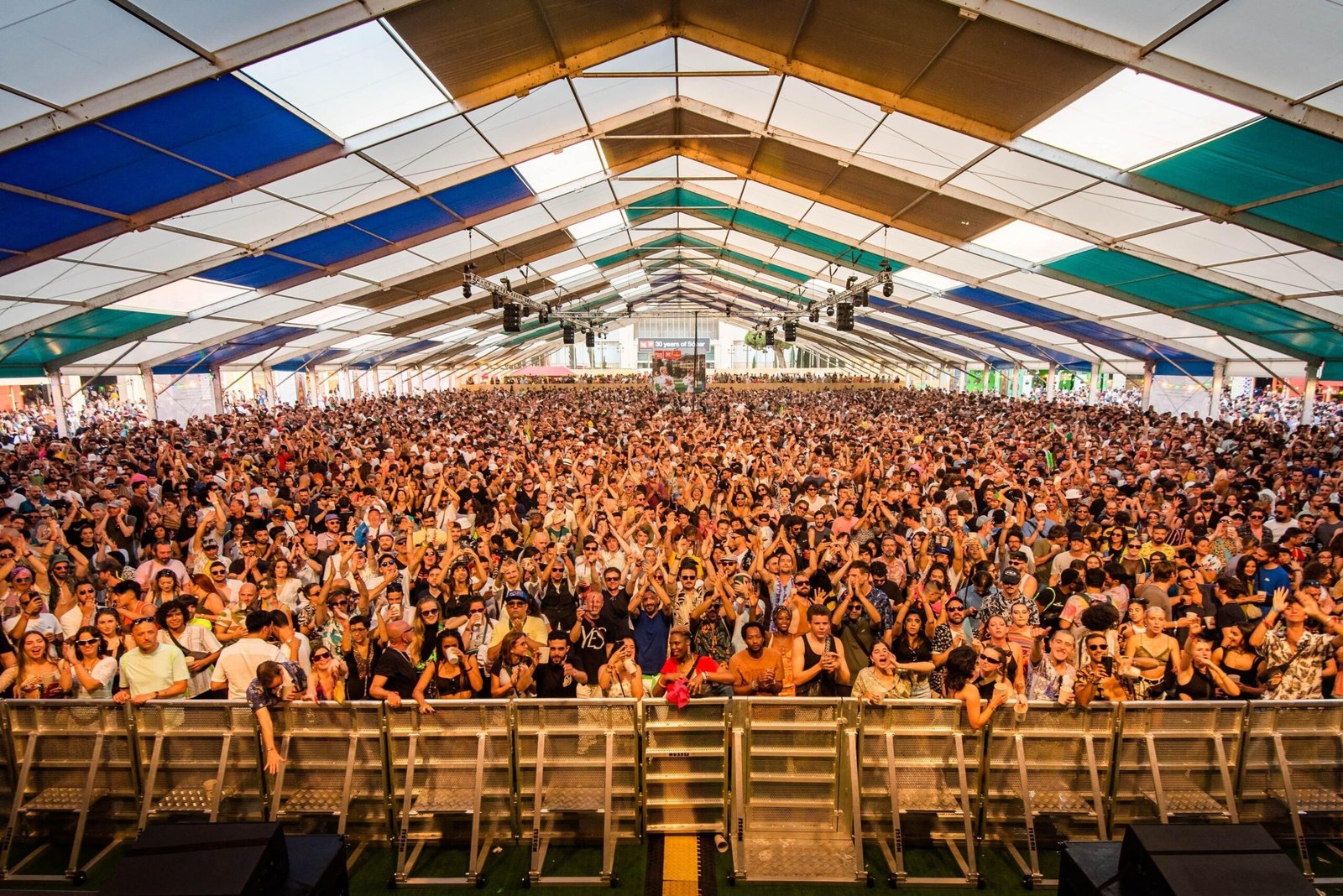
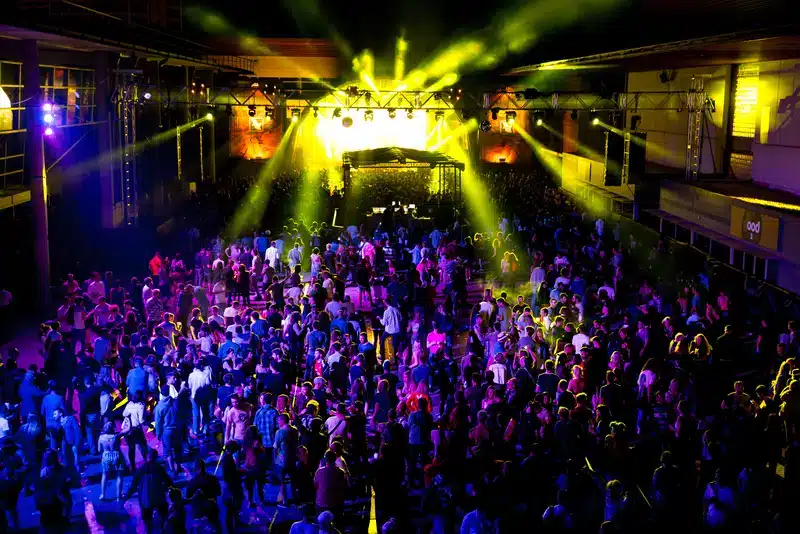
The venue’s large indoor halls allow Sónar to create separate environments for different types of music and creative activity. This can include large dancefloors, concert spaces, audiovisual stages, installations and other festival facilities.
The modern exhibition-centre environment also gives Sónar a distinctive atmosphere compared with electronic festivals held exclusively in open-air parks or traditional clubs.
Event History
Sónar was founded in Barcelona in 1994 and has developed into a long-running international festival focused on advanced music and multimedia culture. The official Sónar archive lists editions beginning in the 1990s and continuing through the present.
From its beginning, Sónar positioned itself differently from conventional music festivals. Its concept connected electronic music with multimedia art, design, technology and contemporary culture.
The festival’s programming has historically included both established international artists and emerging performers. Over the years, its stages have hosted influential electronic musicians, DJs, experimental artists and performers from a wide range of creative disciplines.
Sónar also developed the distinction between daytime cultural programming and nighttime club programming. The daytime concept expanded beyond music to include audiovisual projections, conferences, exhibitions, creative projects and opportunities for discovering new talent.
Sónar+D later became a major component of this wider philosophy. The programme brings together researchers, artists, technologists and creative professionals to explore new relationships between technology and culture.
The festival has also responded to technological developments over the years. Artificial intelligence, interactive installations, digital performance, audiovisual systems and experimental interfaces have increasingly become part of the wider creative environment.
Recent editions demonstrate the continuing diversity of the programme. The most recent completed programming included more than 100 acts, with electronic club artists appearing alongside live performers, audiovisual creators and experimental projects.
Sónar’s history therefore extends beyond individual lineups. Its enduring concept is the meeting of music, creativity, technology and a global community within Barcelona.
Getting to the Event
Metro
Metro is one of the most convenient ways to reach Fira Gran Via. The venue is served by Line L9 South, with Fira and Europa/Fira stations providing direct access.
Airport connection
Barcelona-El Prat Airport has a direct Metro Line L9 South connection with Fira Gran Via. This makes the venue particularly convenient for international visitors arriving by air.
FGC trains
Europa/Fira station is served by Ferrocarrils de la Generalitat de Catalunya services, connecting the venue with central Barcelona and surrounding areas.
Bus
Several bus routes serve the venue area, including H12, V1, 46, 65 and 79. Routes and festival-specific services should be checked closer to the event.
Taxi
Barcelona and the metropolitan area have extensive taxi services, and Fira Gran Via has taxi facilities for visitors arriving or departing from the venue.
SonarBus
Sónar has previously operated dedicated SonarBus services connecting the festival area with central Barcelona. The official festival transportation arrangements should be checked once the 2027 practical information is released.
Where to Stay Nearby
L’Hospitalet de Llobregat
Staying in L’Hospitalet can reduce travel time to Fira Gran Via and offers convenient access to Metro Line 9 South and other public transportation connections.
Plaça d’Europa
The area around Europa/Fira is particularly convenient for visitors who want to stay close to the venue. It is a modern business and residential district with hotels and transportation connections.
Sants
Barcelona Sants is useful for visitors who want access to the city’s major railway station as well as convenient transportation toward the festival site.
Eixample
Eixample provides a large selection of hotels, restaurants, cafés and nightlife venues. It is farther from Fira Gran Via but offers a central base for exploring Barcelona.
El Raval and Gothic Quarter
Visitors interested in Barcelona’s historic centre may prefer accommodation around the Gothic Quarter or El Raval. These areas provide extensive dining and nightlife choices, although the journey to Fira Gran Via is longer.
Poblenou
Poblenou offers a combination of beaches, restaurants, creative spaces and accommodation and can be appealing for visitors who want a different side of Barcelona.
Things to Do Before or After the Event
Sagrada Família
The Sagrada Família is Barcelona’s best-known architectural landmark and one of Antoni Gaudí’s most important works. Visitors should reserve admission ahead of time when possible.
Park Güell
Park Güell combines gardens, architecture and Gaudí’s distinctive artistic style. It provides a very different atmosphere from the industrial-scale environment of a festival venue.
Gothic Quarter
The Gothic Quarter is ideal for walking through historic streets, squares and medieval architecture. It is also surrounded by cafés, restaurants and cultural attractions.
Casa Batlló
Casa Batlló on Passeig de Gràcia is another major Gaudí landmark and can be combined with shopping and dining in the Eixample district.
Barceloneta
Visitors wanting time beside the Mediterranean can explore Barceloneta and the surrounding waterfront.
Montjuïc
Montjuïc offers museums, gardens, viewpoints and cultural attractions. The area also has a strong connection with Barcelona’s major exhibition and event history.
Barcelona nightlife
Sónar visitors interested in electronic music can explore Barcelona’s broader club culture and live-music scene. Checking venue schedules in advance is useful because special events can sell out.
Restaurants & Dining Nearby
Fira Gran Via is located within a modern commercial district with restaurants and food services in and around the exhibition complex. Fira de Barcelona itself lists numerous restaurants within the wider Gran Via venue environment.
Visitors staying around Plaça d’Europa can find convenient cafés, restaurants and casual dining options, making the area practical for pre-event meals.
Central Barcelona offers a much wider range of culinary experiences. Visitors can explore Catalan cuisine, tapas, seafood, Mediterranean restaurants, international food and contemporary dining.
Tapas
Tapas bars provide an easy way to sample several dishes and can work well for groups travelling together.
Catalan cuisine
Visitors can look for traditional Catalan dishes and regional specialities throughout Barcelona, particularly in neighbourhood restaurants away from the busiest tourist areas.
Food markets
Barcelona’s markets offer another way to experience local food and can be incorporated into sightseeing itineraries.
Festival dining
Sónar provides food and beverage facilities within the festival environment. Recent official information has indicated vegetarian and vegan options as well as gluten-free choices.
Visitors with specific dietary requirements should check the official 2027 practical information when it is released.
Ticket Information
Sónar Barcelona 2027 ticket prices are being released progressively. The official 2027 presale offered the following starting prices before the exclusive presale ended:
- SonarPass: $173.82
- SonarPass VIP: $302.29
- SonarPass+D: $190.63
- SonarPass+D VIP: $331.10
These amounts are converted from the official 2027 presale prices using an approximate exchange rate of $1.1214 per euro. The presale was limited and has already ended; Sónar stated that general ticket sales would begin after the summer.
The SonarPass provides access to the main Sónar programme, while SonarPass+D is designed to include the broader Sónar+D experience in addition to the festival. The exact ticket products available during general sales should be checked through the official ticket page.
Sónar’s ticket system has historically included standard and VIP options, and the latest published ticket structure also included individual day tickets and other products.
Ticket prices can increase as sales progress. Sónar explicitly states that prices rise progressively as the festival approaches, meaning early purchasing can involve different pricing from later sales phases.
Visitors should purchase tickets through official Sónar channels and carefully check whether their chosen ticket includes the main festival, Sónar+D or both.
Tips Before You Go
Check the lineup carefully
Sónar has a broad programme, so identify priority artists and creative projects before arriving.
Plan transportation
Fira Gran Via is well connected by Metro Line 9 South and FGC services, but festival crowds can make public transport busy.
Allow time between stages
The venue contains several large halls and festival spaces. Moving between performances may take longer than expected during busy periods.
Stay hydrated
Electronic music festivals can involve long periods of dancing and standing. Regular water breaks are particularly important when spending extended periods inside crowded spaces.
Wear comfortable footwear
Sónar involves substantial walking between stages, food areas, entrances and other facilities. Comfortable shoes can make the experience considerably easier.
Check access rules
Sónar’s access rules can include restrictions concerning age, food, containers and other items. The current official rules should always be checked before attending. Recent regulations restricted access to people under 18 at the main festival venue.
Keep your wristband secure
Recent Sónar procedures have used wristbands for multi-day access, with visitors exchanging their ticket for a wristband on first entry.
Plan your return journey
Some sessions continue late into the night, so check the latest metro, train, bus and festival shuttle arrangements before leaving the venue.
Official Event Information
Official event: Sónar Barcelona
Official website: Sónar (https://sonar.es/)
Venue: Fira Gran Via, Av. Joan Carles I, 64, 08908 L’Hospitalet de Llobregat, Barcelona.
Official event email: sonar@sonar.es.
Festival focus: Music, creativity, technology, electronic music, audiovisual art and contemporary culture.
The official Sónar website should be used for confirmed 2027 lineup announcements, ticket availability, practical information, stage schedules, access rules, transportation updates and Sónar+D information.
Attendee Experiences
Sónar offers a different type of festival experience from a conventional outdoor music event. Its identity is built around the interaction between electronic music, technology, visual culture and creative experimentation.
Music fans can spend their time moving between DJs, live electronic acts and large-scale audiovisual performances. Visitors who are more interested in digital culture can explore installations, talks, interactive projects and Sónar+D activities.
The scale of Fira Gran Via also influences the experience. The venue’s large exhibition halls provide considerable room for stages and installations, while the enclosed environment allows Sónar to create carefully controlled lighting, sound and visual environments. Fira de Barcelona describes the venue as a major modern exhibition complex with eight connected halls.
Another important part of the Sónar experience is discovery. The festival does not depend exclusively on established mainstream artists. Its programmes regularly introduce audiences to emerging DJs, experimental musicians, audiovisual creators and technology-focused projects.
The festival’s international character is also significant. Sónar brings together audiences and creative professionals from different countries, creating opportunities for people interested in electronic music, art, technology and creative industries to share the same environment.
Sónar+D adds an especially distinctive dimension. Its programme has included researchers, artists, technologists and creative professionals discussing subjects such as artificial intelligence, music technology, digital culture and interactive art.
For visitors staying in Barcelona, the festival can also become part of a larger city experience. Museums, architecture, restaurants, beaches and nightlife provide numerous activities around the main event.
Tickets Sell Out
in Minutes
Maps
Contact
Video
FAQ's
What is Sónar Barcelona known for?
Sónar is internationally known for combining electronic music with creativity, technology, audiovisual art and contemporary culture. Its programme includes DJs, live performers, digital artists, installations, talks and experimental projects. The festival has been running in Barcelona since 1994.
Where is Sónar Barcelona 2027 held?
The main Sónar festival is scheduled to take place at Fira Gran Via in the Barcelona metropolitan area. The venue is a large modern exhibition complex with extensive public transportation connections, including Metro Line 9 South and FGC services.
Has the Sónar Barcelona 2027 lineup been announced?
The full 2027 lineup has not yet been announced by the festival. Sónar has confirmed the upcoming edition and is inviting audiences to sign up for news, while its previous programmes demonstrate a combination of international electronic artists, DJs, audiovisual performers and emerging talent.
What is Sónar+D?
Sónar+D is the innovation and creativity-focused part of the wider Sónar ecosystem, bringing together artists, researchers, technologists and creative professionals. Its programme can include talks, panels, exhibitions, interactive projects, performances and opportunities for professional networking.
How can international visitors reach Sónar from Barcelona Airport?
Fira Gran Via has a direct connection to Barcelona-El Prat Airport through Metro Line 9 South, with Fira and Europa/Fira stations serving the venue. Visitors can also use airport buses or taxis, while the final festival transportation arrangements should be checked through the official Sónar information.