




San Sebastian Film Festival 2027 – Spain
What to expect
The San Sebastian Film Festival 2027 will bring one of Spain’s most internationally recognised cinema events back to Donostia-San Sebastián, combining competitive film screenings, major premieres, red-carpet appearances, professional industry meetings and cultural activities across the city. The festival is a non-specialised competitive festival with FIAPF A-list status, giving it a particularly strong position within the international festival calendar.
Visitors can expect a mixture of major international productions, Spanish and Basque cinema, emerging filmmakers, Latin American films, documentaries, experimental projects, classics and special presentations. The programme also includes dedicated industry initiatives, filmmaker conversations, retrospectives and audience-focused screenings.
The festival is particularly attractive for visitors who want to experience cinema beyond a single theatre. San Sebastián becomes a city-wide film destination, with screenings and activities taking place at prominent cultural venues including the Kursaal Centre, Victoria Eugenia Theatre, Teatro Principal, Tabakalera, Príncipe, Trueba, Antiguo Berri, the Velodrome and other locations.
Enjoy Your Event Stress-Free with Spain Travelo
Planning a trip around a festival, concert, cultural celebration, or business event in Spain can be time-consuming—finding tickets, accommodation, transportation, and local information takes effort. Spain Travelo makes it easier by bringing essential event information, travel planning, and support together in one place.
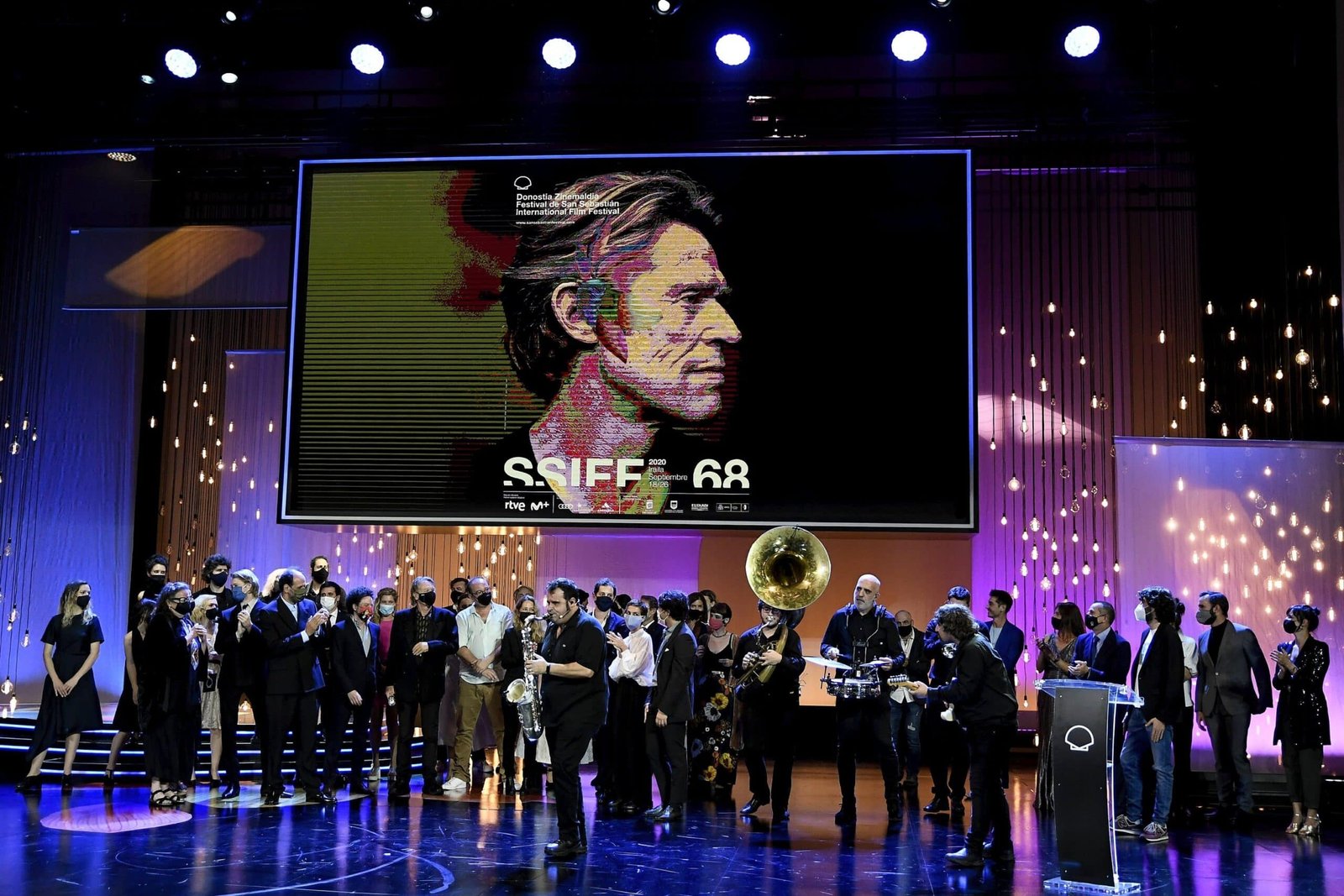
The event also has a strong celebrity and awards dimension. Its Donostia Award has honoured major figures from international cinema for outstanding contributions to the film world, while its competitive sections provide an important platform for new and established filmmakers.
Festival dates
September 2027 (Dates TBD)
The exact 2027 festival schedule, opening and closing dates have not yet been published by the organisers. Visitors should therefore treat the September 2027 timing as the planned festival period and wait for the official announcement before booking non-refundable travel specifically around the event.
The festival normally releases its programme, films, guests, ticketing information and accreditation details progressively through the official website as preparations advance. The official website should be regarded as the primary source for confirmed information.
Visiting this event? Don’t miss out on these amazing activities and local experiences while you’re here.
Venues & festival locations
San Sebastián Film Festival screenings are spread across several established cinemas, theatres and cultural institutions rather than being concentrated in one venue. This makes it possible to combine filmgoing with sightseeing around the city.
Kursaal Centre
Avenida Zurriola, San Sebastián. The Kursaal is the festival’s principal landmark venue and hosts major screenings and gala activity. Its two main auditoriums are especially important for the Official Selection and major presentations.
Victoria Eugenia Theatre
Calle República Argentina, 2. This historic theatre is one of the festival’s most recognisable venues and regularly hosts important screenings, presentations and gala-related activity.
Teatro Principal
Calle Mayor, 3. Located in the historic centre, the theatre provides another central screening location and is used for selected festival sessions.
Tabakalera
Plaza de las Cigarreras, 1. The International Centre for Contemporary Culture plays a major role in contemporary, experimental and industry-oriented festival activity.
Other cinemas and venues
The wider festival network includes Cines Príncipe, Cine Trueba, Cines Antiguo Berri, Velódromo Antonio Elorza and other locations used for particular sections and special programmes.
Because venues are distributed around central San Sebastián, staying in the city centre, Parte Vieja or Gros can make it easier to move between screenings.
Full programme
The exact 2027 programme has not yet been announced. Based on the festival’s established structure, visitors can expect a broad selection of competitive and non-competitive sections.
Official Selection
The festival’s principal competitive section, featuring international films competing for major awards including the Golden Shell.
New Directors
A section dedicated to first and second feature films, giving emerging filmmakers an opportunity to compete for the Kutxabank-New Directors Award.
Horizontes Latinos
A major platform for Latin American cinema and filmmakers.
Zabaltegi-Tabakalera
A section particularly associated with innovative, adventurous and unconventional cinema.
Perlak
A popular audience-oriented section bringing notable international films to San Sebastián.
Culinary Zinema
Cinema combined with gastronomy, creating a distinctive film-and-dining experience.
Made in Spain and Zinemira
Programmes highlighting Spanish and Basque filmmaking.
Nest
A platform focused on emerging film-school talent and new filmmakers.
Velodrome and children’s cinema
Large-format and audience-friendly screenings add another dimension to the programme.
Additional activities can include retrospectives, classic cinema, conversations, film talks, special screenings, gala presentations and other cultural events.
Featured films & premieres
The 2027 film selection has not been announced, so specific premieres should not be treated as confirmed. The festival normally announces films progressively through its official selection pages and news releases.
Recent programming demonstrates the range visitors can expect. The Official Selection has included international productions such as Franz, Couture, Ballad of a Small Player, Maspalomas, Los domingos / Sundays and other major titles, while other sections have featured films from Europe, Latin America, Asia and beyond.
The festival is also known for presenting films with significant international festival profiles, including premieres, major festival titles and films accompanied by their directors and casts.
For visitors interested in discovering cinema before wider theatrical or streaming releases, the Official Selection, New Directors, Horizontes Latinos and Zabaltegi-Tabakalera are particularly valuable sections to monitor when the 2027 programme is released.
Directors, actors & guests
The 2027 guest list has not yet been announced. San Sebastián traditionally attracts internationally recognised actors, directors, producers and other film professionals.
Recent editions have welcomed major figures including Jennifer Lawrence, Angelina Jolie, Louis Garrel, Colin Farrell and filmmakers such as Juan Antonio Bayona. The festival’s Donostia Award is one of its most prominent celebrity-focused traditions, recognising outstanding careers and contributions to cinema.
Guests may appear at premieres, press conferences, gala events, conversations, photocalls and post-screening presentations. Film teams can also participate in official conversations and professional activities connected with their projects.
The most important guest announcements are normally published through the festival’s official news and Donostia Award channels, so visitors should check those sources before finalising a screening itinerary.
Screening schedule
The detailed 2027 screening schedule will be released closer to the festival. The established format includes multiple screenings throughout the day across different venues, allowing visitors to create their own programme around preferred sections and films.
The official screening system normally provides information such as venue, auditorium, film title, section, language, subtitle format, screening type and whether the session is accessible to the general public or restricted to press and accreditation holders.
Some sessions can include filmmaker presentations or special introductions. Certain press screenings may also be accessible to the public and accredited guests, depending on the specific session.
Because several cinemas operate simultaneously, it is important to allow enough time to travel between venues. The official programme should always be checked for last-minute changes before heading to a screening.
Ticket types & accreditation
The 2027 ticket prices have not yet been announced. As a reference, the latest published festival ticket schedule included several categories, with previous prices converted here into approximate USD amounts.
Regular screenings
Standard screenings were approximately $9.78 per ticket based on the latest published price.
Kursaal evening screenings
General-zone evening screenings were approximately $9.78, while the more limited Zone B seating was approximately $11.74.
Children’s screenings
Children’s cinema sessions were approximately $2.24.
Velodrome closing event
The special closing event at the Velodrome was approximately $16.77.
Opening and closing gala
Latest published gala prices ranged from approximately $89.42 to $106.18 depending on seating zone.
Donostia Award gala
Published gala prices ranged from approximately $55.89 to $61.47 depending on seating zone.
Culinary Zinema with dinner
The latest published combined cinema-and-dinner ticket was approximately $100.59.
Online and box-office administration fees may be added to ticket purchases. The festival also offers selected discounts on qualifying standard tickets, including discounts associated with youth and local cultural cards.
These figures are previous-edition reference prices only and should not be considered confirmed 2027 prices.
Industry & professional access
The festival has a substantial professional programme alongside public screenings. Industry accreditation provides access to professional activities, selected screenings and specialist services designed for producers, distributors, sales agents, programmers, filmmakers and other audiovisual professionals.
Professional activities can include the Europe-Latin America Co-Production Forum, Ikusmira Berriak, WIP Latam, WIP Europa, Zinemaldia & Technology, Spanish Screenings, Lau Haizetara and Film Talks.
The Industry Club at the Kursaal Centre provides an important meeting space, while accredited professionals can access the Festival Film Library, professional contacts, industry news and the festival application.
The latest published accreditation structure listed approximately $123.00 for an early general accreditation, $67.00 for film schools and students, approximately $145.31 for general accreditation during the standard period, and approximately $78.92 for students. The latest application-stage rate was approximately $167.66 for general applicants and $89.42 for film-school and student applicants. These are previous-edition reference figures, not confirmed 2027 prices.
Red carpet & special events
The red carpet is one of the most visible parts of the San Sebastián experience. Major premieres and award ceremonies can attract internationally known actors, directors and producers, particularly around the Kursaal and Victoria Eugenia areas.
The festival also organises opening and closing galas, Donostia Award ceremonies, special presentations, filmmaker conversations, press events and screenings accompanied by film teams.
The latest festival programme also demonstrated the importance of sustainable event production, including a large recycled and recyclable red carpet installation connecting the Kursaal area with the Victoria Eugenia Theatre.
For visitors interested in celebrity appearances, the best strategy is to follow official guest announcements and programme updates rather than relying on unofficial schedules.
Festival rules
Festival rules cover film selection, participation, accreditation, screenings, ticketing and professional access. Films shown in the competitive sections are selected by the festival’s Selection Committee, with the organisation operating under FIAPF competitive festival standards.
Ticket limits
The festival’s ticket information has previously limited individual purchases to a maximum of four tickets for each session.
Digital tickets
The festival accepts digital or Home Tickets on mobile devices, so visitors do not normally need to print their tickets.
Lost tickets
The organisation does not accept responsibility for lost or stolen tickets.
Gala dress code
There is no compulsory dress code, although the festival recommends formal or smart evening clothing for gala events.
Visitors should also check the final programme for restrictions applying to press screenings, invitation-only events and professional sessions.
How to get there
San Sebastián is well connected by road, rail, bus and air.
By air
San Sebastián Airport is around 20 kilometres from the city. Bilbao Airport provides a much larger selection of international connections and is around 105 kilometres away, while Biarritz Airport in France is another useful option for international travellers.
By train
San Sebastián Adif-Renfe station provides connections with major Spanish cities as well as international rail routes. Euskotren also connects San Sebastián with coastal towns and the French border.
By bus
The city’s main bus station is next to the train station and connects San Sebastián with destinations throughout Spain, the Basque Country and neighbouring areas.
By car
San Sebastián can be reached through major routes including the A-1, AP-8, A-63 and AP-15. The city centre operates as a Low-Emission Zone, so visitors arriving by car should check vehicle access requirements before entering the central area.
Public transport & parking
Public transport is one of the easiest ways to move between festival venues. Dbus city buses connect the Kursaal, Victoria Eugenia Theatre, Principal Theatre, Trueba, Tabakalera, Velodrome and Antiguo Berri areas through numerous routes.
The city also has Lurraldebus services connecting San Sebastián with other parts of Gipuzkoa. Euskotren and Renfe provide additional regional and long-distance options.
For drivers, San Sebastián has numerous underground and public car parks. Options include the Kursaal, Okendo, Kontxa, San Martín, Txofre and Estación-Geltokia car parks. The city also recommends using park-and-ride facilities where practical, particularly because of central traffic and low-emission restrictions.
For a festival visit involving several screenings, public transport and walking are generally more convenient than moving a private car between venues.
Accommodation areas
Staying centrally is useful because many festival venues are within walking distance of each other.
Centre and La Concha
A strong choice for visitors who want easy access to the main central attractions, restaurants and several festival locations.
Parte Vieja
The historic Old Town is particularly convenient for visitors who want nightlife, traditional restaurants and pintxos within easy walking distance.
Gros
Gros is especially practical for visitors attending events around the Kursaal. It has hotels, apartments, restaurants, cafés and a lively atmosphere close to Zurriola Beach.
Egia
Egia is useful for visitors who want accommodation close to Tabakalera and the main railway and bus station area.
San Sebastián Tourism lists accommodation options across Centro-La Concha, Gros, Egia, Parte Vieja, Antiguo, Ibaeta-Igara, Amara and other neighbourhoods.
Food & dining
A film trip to San Sebastián can easily become a culinary trip as well. The city is internationally recognised for its Basque cuisine, pintxos culture and high-end restaurants.
The Old Town is one of the best places to begin a pintxos route, with numerous bars concentrated around its historic streets. Gros is another strong area, particularly around streets such as Peña y Goñi and Zabaleta.
Visitors can look for classic Basque dishes including seafood, hake, squid, shellfish and seasonal produce. Pintxos range from traditional bread-based bites to sophisticated miniature dishes inspired by modern gastronomy.
San Sebastián also has a substantial fine-dining scene, making it possible to combine daytime screenings with an ambitious dinner or a relaxed evening of pintxos.
Accessibility
San Sebastián has a strong accessibility infrastructure. The city centre is generally relatively flat, while Dbus buses have low floors, ramps and reserved spaces for people with reduced mobility.
The main train and bus stations provide accessible routes and assistance services, and San Sebastián Airport also offers facilities and assistance for passengers with reduced mobility.
Several city car parks provide reserved accessible spaces, including facilities close to central festival areas.
For individual screening venues, visitors with specific accessibility requirements should check the official festival information before purchasing tickets, particularly because seating, entrances and facilities can vary between venues.
Best screenings to attend
Official Selection
The best choice for visitors who want the core competitive festival experience and the films competing for the principal awards.
Donostia Award screenings
Ideal for visitors interested in major international cinema figures and gala atmosphere.
New Directors
A strong choice for discovering emerging filmmakers before their work reaches a wider international audience.
Perlak
Particularly appealing to general audiences looking for highly anticipated international films and major festival titles.
Zabaltegi-Tabakalera
Recommended for viewers who prefer adventurous, innovative and less conventional cinema.
Culinary Zinema
A distinctive choice for visitors who want cinema combined with a curated dining experience.
Velodrome screenings
Best for people who enjoy a large-scale communal cinema atmosphere.
The best programme strategy is usually to combine one or two major Official Selection screenings with a discovery-focused section such as New Directors or Zabaltegi-Tabakalera.
Previous year’s highlights
The most recent completed edition demonstrated the festival’s considerable scale. It recorded 181,183 spectators across 666 screenings and presented 254 titles from 56 countries. Accredited guests reached 5,556, including 2,411 industry accreditation holders.
The competitive programme produced major awards for films including Los domingos / Sundays, Historias del buen valle / Good Valley Stories and Six jours ce printemps-là / Six Days in Spring. The New Directors Award went to Vaegtloes / Weightless, demonstrating the festival’s continued emphasis on emerging filmmakers alongside established cinema.
The festival also welcomed internationally prominent figures and used the Donostia Award tradition to recognise major film talent. Its combination of premieres, competition, celebrity appearances, industry meetings and audience screenings remains one of its strongest characteristics.
Official tickets & accreditation
Official ticket sales are handled through the San Sebastián Film Festival’s ticketing system and the festival’s authorised sales channels. Digital Home Tickets can be displayed directly on a mobile device.
The official festival website provides separate access for general ticket sales and tickets available to accredited users. The programme section allows visitors to search films by title, director, section and screening information.
Professional visitors should use the festival’s accreditation system rather than purchasing ordinary public tickets when their purpose is industry participation. Accreditation can provide access to industry activities, screenings, the Film Library, professional contacts, the Industry Club and other professional resources.
Official contact details:
Phone: +34 943 48 12 12
Email: ssiff@sansebastianfestival.com
Official website: https://www.sansebastianfestival.com/in/
For 2027, visitors should wait for the official festival website to publish the final programme, ticket prices, accreditation process, confirmed guests and screening schedule before making detailed plans.
Tickets Sell Out
in Minutes
Maps
Contact
Video
FAQ's
What is the San Sebastian Film Festival?
The San Sebastian Film Festival is an international competitive film festival in Donostia-San Sebastián, Spain, with FIAPF A-list status and a long history of presenting international and Spanish cinema. It combines competitive screenings with premieres, filmmaker appearances, awards, industry programmes and cultural activities. Its programme covers established filmmakers, emerging talent, Latin American cinema, Basque cinema, documentaries, classics and experimental work.
Where does the San Sebastian Film Festival take place?
The festival uses multiple cinemas, theatres and cultural venues throughout San Sebastián rather than operating from one single location. Major venues include the Kursaal Centre, Victoria Eugenia Theatre, Teatro Principal, Tabakalera, Príncipe, Trueba, Antiguo Berri and the Velodrome. The central location of many venues makes it practical to combine screenings with walking, sightseeing and dining around the city.
Can the public attend festival screenings?
Yes, the festival has a substantial public ticketing programme alongside screenings reserved for press, accredited professionals or invited guests. General audiences can normally purchase tickets for qualifying sessions through the official ticketing system, while some special events may have different access arrangements. The exact public-access rules for individual screenings should always be checked in the official programme because eligibility can vary by session.
Is the festival useful for film industry professionals?
Yes, industry participation is one of the festival’s major components, with professional activities covering co-production, works in progress, emerging talent, technology, financing, documentary development and industry discussions. Accredited professionals can also receive access to the Industry Club, professional contacts, the Festival Film Library, industry information and selected screenings. The festival therefore serves both as a public cinema event and as an international audiovisual industry meeting point.
What makes San Sebastián a good destination for a film festival trip?
The city combines a compact urban centre, multiple walkable festival venues, beaches, historic neighbourhoods and a strong Basque food culture. Visitors can move between screenings and spend their free time exploring the Old Town, La Concha, Gros, Mount Urgull and the city’s many pintxos bars. Its rail, bus and airport connections also make San Sebastián practical for international and domestic visitors.