



Festival de Cine de Calzada de Calatrava 2027 – Spain
What to expect
Festival de Cine de Calzada de Calatrava is an international film festival in Calzada de Calatrava, Ciudad Real, Castilla-La Mancha, with a strong emphasis on short films, regional filmmaking, Spanish cinema and the cinematic heritage of Pedro Almodóvar, who was born in the town. The festival has grown into an important cultural event for the Campo de Calatrava area and combines competitive cinema with exhibitions, workshops, educational activities, filmmaker meetings and cultural events.
The festival’s identity is closely connected with Almodóvar and the town’s ambition to become a genuine “film town.” This connection is reflected throughout the programme, from exhibitions and tourism routes to special screenings and activities involving local residents.
The most recent editions have placed particular emphasis on short films. The national short-film competition has been developed in collaboration with CortoEspaña and the Premios Fugaz network, bringing professionally recognised Spanish short films to audiences in Calzada de Calatrava. A separate “Hecho en Castilla-La Mancha” section gives regional filmmakers an important platform.
Enjoy Your Event Stress-Free with Spain Travelo
Planning a trip around a festival, concert, cultural celebration, or business event in Spain can be time-consuming—finding tickets, accommodation, transportation, and local information takes effort. Spain Travelo makes it easier by bringing essential event information, travel planning, and support together in one place.
The festival also welcomes general audiences rather than focusing exclusively on industry professionals. Visitors can attend competitive screenings, special film exhibitions, educational activities, cultural events and celebrations connected with the town’s cinematic heritage.
The festival is particularly attractive for visitors interested in:
- Spanish short films and emerging filmmakers
- Castilla-La Mancha’s audiovisual talent
- Pedro Almodóvar and his cinematic legacy
- Independent and nationally produced cinema
- Film competitions and audience awards
- Film workshops and educational activities
- Cultural tourism in rural Spain
- Local food, wine and cinema-related experiences
Festival dates
October 2027 (Dates TBD)
The exact 2027 schedule has not yet been officially announced. The October placement follows the festival’s current scheduling pattern, but visitors should wait for the official programme before making arrangements around individual screenings or activities.
The festival has historically operated as a multi-day cultural event rather than a single screening programme, so the eventual 2027 schedule is expected to include several days of screenings and parallel activities.
Visiting this event? Don’t miss out on these amazing activities and local experiences while you’re here.
Venues & festival locations
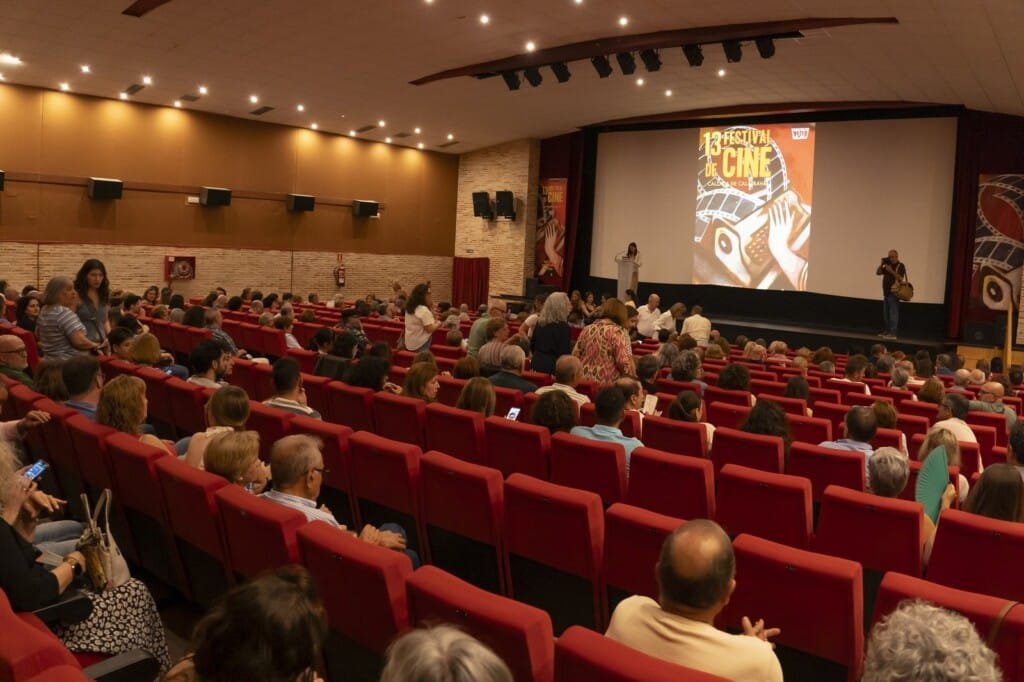
The main festival venue is the Centro Cultural Rafael Serrano, located on Calle Constitución in the centre of Calzada de Calatrava. The building is particularly important to the festival because it houses the Espacio Almodóvar, a cultural space dedicated to the Almodóvar brothers and their contribution to Spanish cinema.
The Centro Cultural Rafael Serrano functions as the principal screening location and has also hosted exhibitions, opening activities and special events.
Other locations can be used for parallel activities, including streets, public spaces, cultural buildings and historic locations around Calzada de Calatrava. Recent programming has included:
- Centro Cultural Rafael Serrano
- Espacio Almodóvar
- Former Convent of San Francisco
- General Aguilera Street
- Pilatos Street
- Plaza de San Sebastián
- Parque Pedro Almodóvar
- El Silo
- Local educational and cultural facilities
This distributed approach gives the festival a strong connection with the town itself rather than confining the event to a conventional cinema building.
Full programme
The final 2027 programme has not yet been published. Based on the festival’s established structure, visitors can expect a combination of competitive film screenings and complementary cultural programming.
The core programme is likely to include a national short-film competition and the “Hecho en Castilla-La Mancha” competition. The regional section is particularly significant because it promotes filmmakers from Castilla-La Mancha and gives local productions an opportunity to reach a wider audience.
Recent festival programming has also incorporated feature-film showcases. The festival has used this section to present films recognised at major international and Spanish festivals, allowing audiences in Calzada de Calatrava to see acclaimed cinema that might otherwise be concentrated in larger cities.
Parallel activities have included:
- Film exhibitions
- Pedro Almodóvar-themed activities
- Educational screenings
- Children’s and youth cinema
- Film workshops
- Masterclasses
- Conferences and discussions
- Filmmaker presentations
- Cultural performances
- Local wine experiences
- Gastronomic activities
- Tourism routes
- Community exhibitions
- Opening and closing ceremonies
The programme is therefore designed as a cultural festival rather than simply a competition for filmmakers.
Featured films & premieres
The 2027 selection of films has not yet been announced, so specific titles should not be treated as confirmed.
The festival’s recent programming demonstrates a strong interest in Spanish short films, especially works that have already built recognition through the national festival circuit. The collaboration with CortoEspaña and Premios Fugaz has helped bring a broad selection of contemporary Spanish short cinema to the festival.
Regional cinema is another major focus. The “Hecho en Castilla-La Mancha” section is designed specifically to highlight filmmakers connected with the region. Recent editions have attracted a significant number of submissions, demonstrating the strength of regional audiovisual production.
Feature-film presentations have also broadened the programme, particularly through showcases of films recognised at major festivals.
For visitors, the best approach is to check the official programme once the 2027 selection is announced, as this will identify confirmed competition titles, feature films, premieres and special screenings.
Directors, actors & guests
The festival regularly brings filmmakers and audiovisual professionals into direct contact with audiences. Guests can include directors, actors, screenwriters, producers, journalists, educators and other professionals.
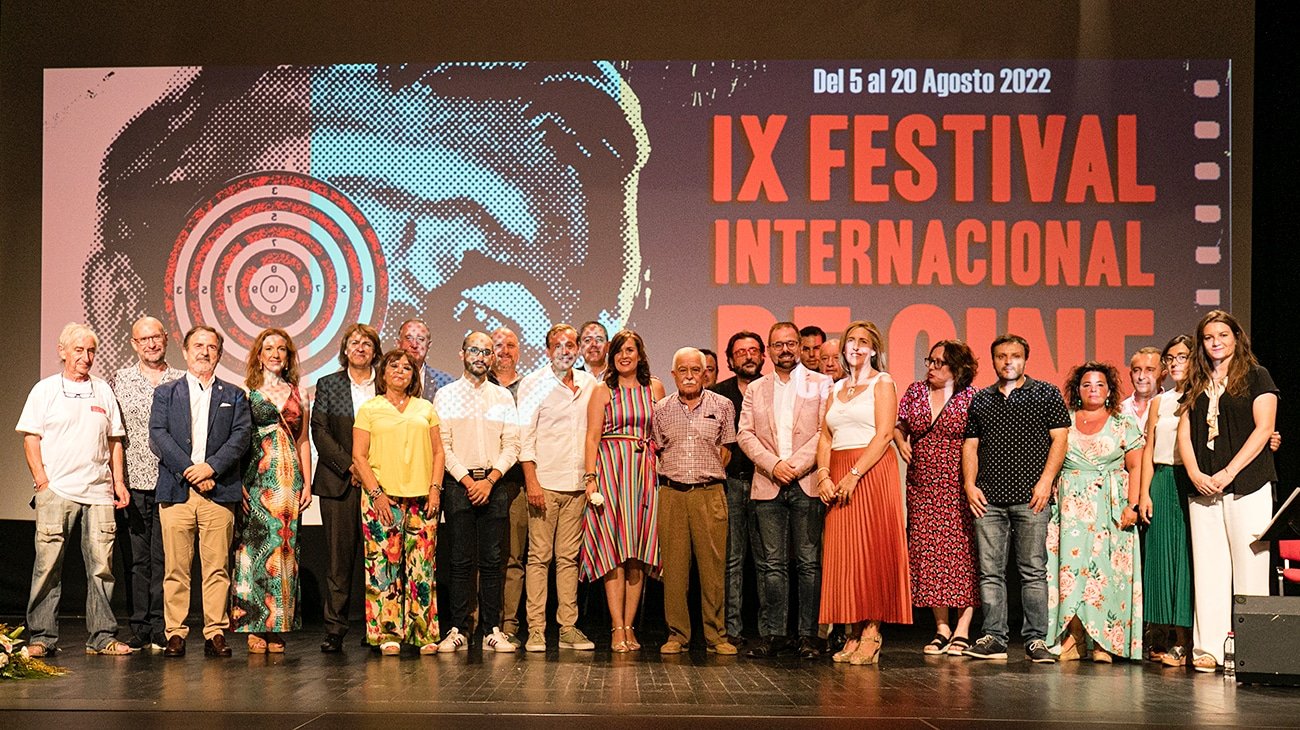
Recent festival juries have included professionals such as Nani Matos, Vicente Rodado, Mar Olmedilla, Alejandra Salinas, Ana Barberán and other figures from Spanish cinema and television.
The presence of industry professionals adds an important educational element to the event. Audiences may have opportunities to hear filmmakers explain their creative decisions, production experiences and approaches to storytelling.
The festival also has a history of attracting recognised Spanish cinema personalities. Because guest invitations depend on the selected films and the annual programme, the 2027 guest list should be considered unannounced until published officially.
Screening schedule
The detailed 2027 screening timetable has not yet been released.
Recent festival schedules have included several short-film sessions, feature-film screenings, special presentations and screenings designed specifically for younger audiences. Short-film competition sessions are particularly important because they allow audiences to compare several works within a competitive programme.
The festival’s official information notes that screening schedules may be modified for organisational reasons. Visitors should therefore check the official programme shortly before attending individual sessions.
Audience participation is also incorporated into the competition. Attendees at qualifying competition screenings can use a QR code connected to a mobile voting system to submit their assessments and contribute to the Audience Award.
Ticket types & accreditation
The latest published festival information provides a useful reference for the likely 2027 admission structure, although 2027 prices have not yet been announced.
Recent published prices convert approximately as follows using the ECB reference exchange rate:
- Short-film competition sessions: $0
- Feature-film showcase admission: $4.47
- Youth admission for eligible attendees: $2.24
- Festival pass: $8.95
The festival has therefore maintained a relatively accessible pricing model, with free short-film competition sessions and low-cost admission for feature-film screenings.
Some parallel activities can have separate registration arrangements. For example, a recent wine-tasting activity was listed at approximately $7.83, including wine and appetisers.
The final 2027 ticketing and accreditation system should be confirmed through the official festival website.
Industry & professional access
Although the festival is highly accessible to general audiences, it also provides meaningful opportunities for filmmakers and cinema professionals.
The competitive short-film sections create a meeting point between emerging directors and audiences. The “Hecho en Castilla-La Mancha” section is particularly useful for regional creators because it gives local productions visibility within an established festival environment.
The festival has also incorporated workshops, masterclasses, conferences and filmmaker discussions. These activities can provide practical information about directing, acting, production and other aspects of audiovisual creation.
The collaboration with CortoEspaña and Premios Fugaz further connects the festival with the wider Spanish short-film circuit. This gives selected filmmakers an opportunity to present their work within a national festival network.
Specific professional accreditation for 2027 has not yet been announced.
Red carpet & special events
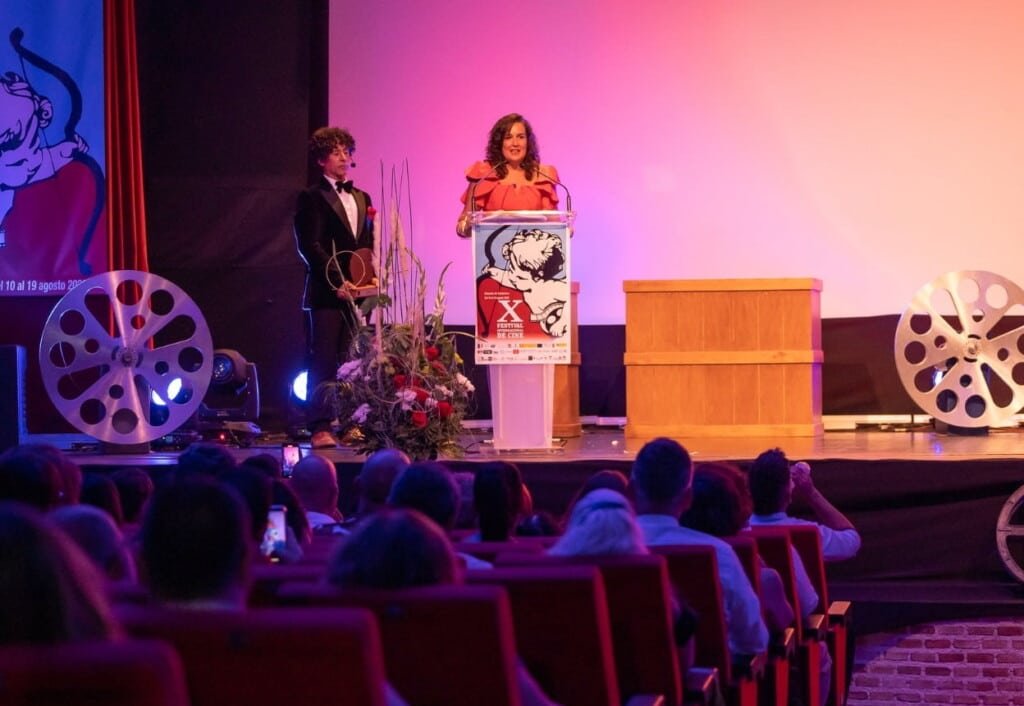
The festival combines formal cinema events with community-based celebrations. Opening and closing ceremonies can feature invited guests, award presentations, performances and recognition of filmmakers.
The town itself becomes part of the festival experience. Local residents have created cinema-themed street exhibitions, decorating streets and public areas with scenes, posters, phrases and visual references connected with Almodóvar’s films.
Another major attraction is the Espacio Almodóvar. The venue has been developed as a permanent cultural tribute to Pedro and Agustín Almodóvar, with film-related displays, graphic material, interactive elements and original production objects.
These activities make the festival particularly distinctive for visitors who want to experience Spanish cinema beyond conventional screenings.
Festival rules
The precise 2027 regulations have not yet been published. Filmmakers should consult the official competition rules before submitting a work because eligibility requirements, submission formats and deadlines can change between editions.
The festival’s established structure includes a national short-film competition and a dedicated competition for works made in Castilla-La Mancha. The regional competition is intended to support creators connected with the territory and showcase regional audiovisual production.
Recent programming has been developed in collaboration with CortoEspaña and Premios Fugaz, giving the national short-film competition access to a wider network of Spanish short-film production.
Filmmakers should pay particular attention to the official rules concerning eligibility, language, runtime, premiere status, submission format, screening copies, publicity material and rights.
The festival may also establish specific requirements for regional productions entering the “Hecho en Castilla-La Mancha” section.
How to get there
Calzada de Calatrava is a small town in Ciudad Real province in Castilla-La Mancha. It is situated in the Campo de Calatrava area and is particularly associated with Pedro Almodóvar, making it an interesting destination for film tourism.
For international travellers, Madrid is generally the most practical major international gateway because of its extensive air and rail connections. Ciudad Real is the nearest significant provincial city and provides another useful reference point for reaching the region.
Visitors travelling by car can reach Calzada de Calatrava through the road network connecting the town with Ciudad Real and other communities in Castilla-La Mancha.
For visitors coming specifically for the festival, driving can be convenient because the event takes place across several locations and the surrounding region is relatively rural.
Public transport & parking
Public transport options to Calzada de Calatrava are more limited than in Madrid, Ciudad Real or other major Spanish cities. Visitors should check current regional bus connections before travelling because schedules can vary.
Travelling through Ciudad Real and continuing by road can be a practical option for visitors using Spain’s national rail network.
Once in Calzada de Calatrava, many festival activities are concentrated within the town centre and can be reached on foot.
Visitors travelling by car should allow time to find parking around the central cultural venues. Because the festival uses several public spaces, exact parking arrangements can vary according to the programme.
Accommodation areas
Staying in Calzada de Calatrava is the most convenient option for visitors who want to experience the festival fully. Local accommodation keeps visitors close to the cultural venues, restaurants and town-centre activities.
Ciudad Real is a useful alternative for travellers seeking a broader selection of hotels and transport connections. It can also be a convenient base for visitors who want to explore other parts of Castilla-La Mancha.
Almagro is another attractive option for a cultural trip through the region, particularly for visitors interested in historic architecture and theatre.
For the easiest festival experience, visitors should prioritise accommodation within walking distance of the central venues or arrange a reliable vehicle if staying outside Calzada de Calatrava.
Food & dining
Food is an important part of the festival’s wider cultural identity. Recent editions have incorporated gastronomic activities such as tapas routes, cinema-themed food experiences, breakfasts connected with cinema and wine-tasting activities featuring wines from the Campo de Calatrava Designation of Origin.
The local gastronomy gives visitors an opportunity to experience traditional Manchego flavours while attending the festival.
Visitors should look for:
- Traditional tapas
- Manchego cheeses
- Local meat dishes
- Regional wines
- Castilian and Manchegan specialities
- Local pastries and sweets
- Cinema-themed gastronomic activities
The combination of film and gastronomy is particularly useful for visitors who want to experience the festival as a complete cultural trip rather than attending screenings alone.
Accessibility
The festival’s main cultural centre is designed to serve as a public cultural facility, while the organisation also provides general visitor information through its official channels.
Because the festival uses multiple venues and public spaces, accessibility conditions can differ between activities. Visitors with mobility, hearing or visual-access requirements should contact the organisers before attending if they need specific assistance.
The festival’s educational and community focus also means that programming is designed for different audiences, including children and young people.
For the most reliable accessibility information, visitors should contact the festival directly at festivaldecine@calzadadecalatrava.es or +34 639 33 05 78 before travelling.
Best screenings to attend
The national short-film competition should be a priority for first-time visitors. It is one of the festival’s central attractions and provides a concentrated introduction to contemporary Spanish short cinema.
The “Hecho en Castilla-La Mancha” sessions are especially recommended for visitors interested in regional filmmaking. They provide an opportunity to discover directors and productions connected with the surrounding region.
Feature-film showcase screenings are another strong option, particularly when the programme includes films recognised at major Spanish or international festivals.
Special screenings accompanied by filmmakers or guests can offer a richer experience because visitors can hear additional context about the production.
Families should also look for the festival’s children’s and school-oriented programming, while visitors interested in Pedro Almodóvar should make time for the Espacio Almodóvar and related exhibitions.
Previous year’s highlights
The most recent completed edition represented an important stage in the festival’s development, with the organisers restructuring the competition around short films while expanding the broader cultural programme.
The national short-film section featured a substantial selection of Spanish productions in collaboration with CortoEspaña and Premios Fugaz. The festival also maintained the “Hecho en Castilla-La Mancha” competition, which attracted strong regional participation.
The regional competition demonstrated the strength of filmmaking in Castilla-La Mancha, with dozens of submissions and a final selection representing the area’s emerging audiovisual talent.
Another major highlight was the exhibition of original props, costumes and objects connected with Pedro Almodóvar’s films. Materials were loaned by El Deseo, the production company founded by the filmmaker and his brother Agustín.
The festival also expanded its feature-film offering through a showcase of films recognised at prestigious festivals. This allowed audiences to experience acclaimed contemporary Spanish and international cinema alongside the competitive short-film programme.
The closing gala celebrated the winning filmmakers and included recognition for national and regional productions. Awards included the Best National Short, regional awards, audience recognition, directing, acting and other categories.
The town’s community involvement was another major strength. Residents created their own cinema-themed street exhibition, transforming public areas into a tribute to Almodóvar and demonstrating how deeply cinema has become connected with Calzada de Calatrava’s cultural identity.
Official tickets & accreditation
The official festival website is the primary source for the 2027 programme, ticket information, competition regulations, filmmaker submissions and accreditation announcements.
Official website: https://festivaldecinedecalzada.es/
Email: festivaldecine@calzadadecalatrava.es
Telephone: +34 639 33 05 78
Visitors should check the official website before travelling because screening schedules, ticket arrangements, venues and parallel activities may be changed for organisational reasons. The festival itself specifically notes that programme and timetable changes can occur.
The official website should also be used to confirm whether a 2027 festival pass, advance reservations or separate accreditation will be available.
Tickets Sell Out
in Minutes
Maps
Contact
Video
FAQ's
What is Festival de Cine de Calzada de Calatrava known for?
The festival is particularly known for its Spanish short-film competitions and its strong connection with Pedro Almodóvar, who was born in Calzada de Calatrava. It also promotes Castilla-La Mancha filmmakers and combines cinema with exhibitions, workshops, cultural activities and film tourism.
Where does Festival de Cine de Calzada de Calatrava take place?
The main festival venue is the Centro Cultural Rafael Serrano on Calle Constitución in Calzada de Calatrava. The festival can also use public streets, historic spaces, cultural facilities and other locations for exhibitions, tourism activities, outdoor cinema and parallel events.
Does the festival have a competition for Castilla-La Mancha filmmakers?
Yes, the "Hecho en Castilla-La Mancha" section is a central part of the festival's competitive programme. It provides a dedicated platform for regional audiovisual creators and has attracted a significant number of submissions from filmmakers connected with the region.
Can audiences vote for their favourite films?
Yes, audience participation is part of the festival's competition structure. Attendees at eligible competition screenings can use the QR code associated with their ticket to access a mobile voting system and submit evaluations that contribute to the Audience Award.
Is the festival connected with Pedro Almodóvar?
Yes, Pedro Almodóvar was born in Calzada de Calatrava and his cinematic legacy is central to the festival's identity. The town incorporates Almodóvar-themed exhibitions, cultural spaces, tourism routes and community projects, while the festival regularly celebrates his work and influence on Spanish cinema.