
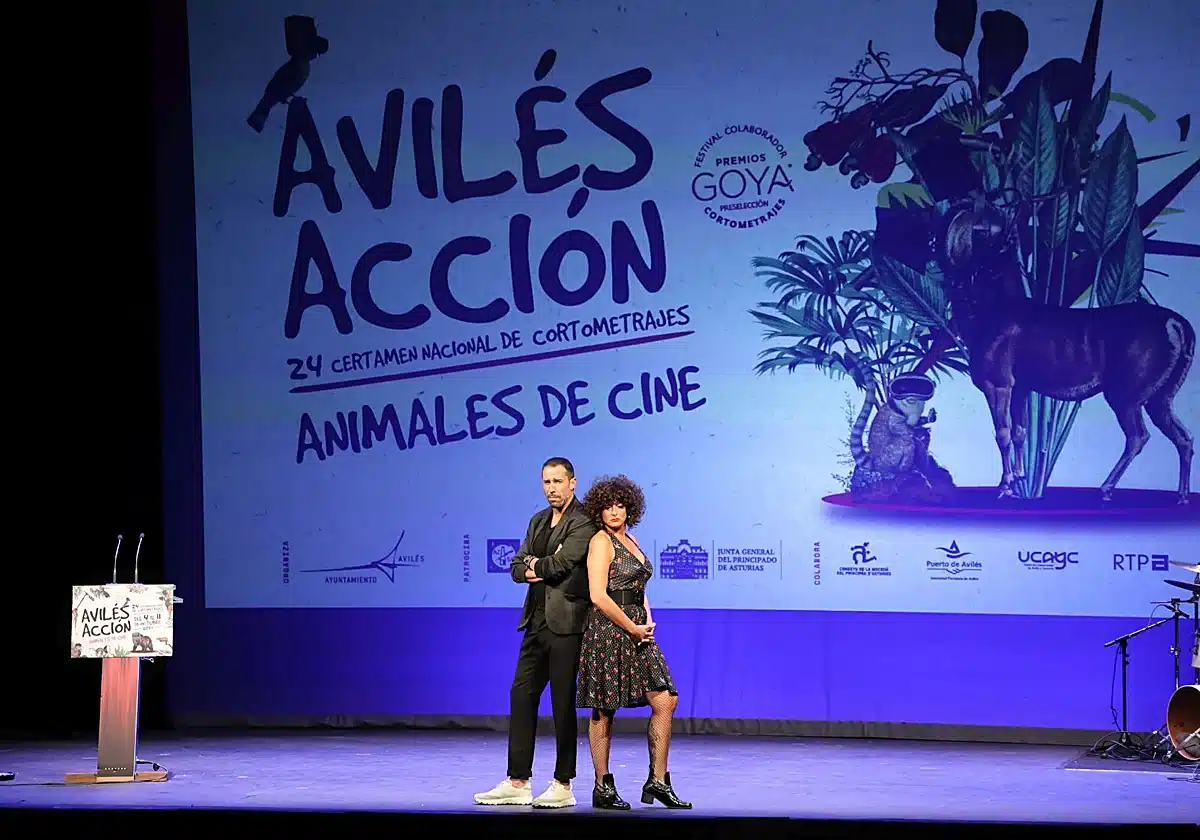

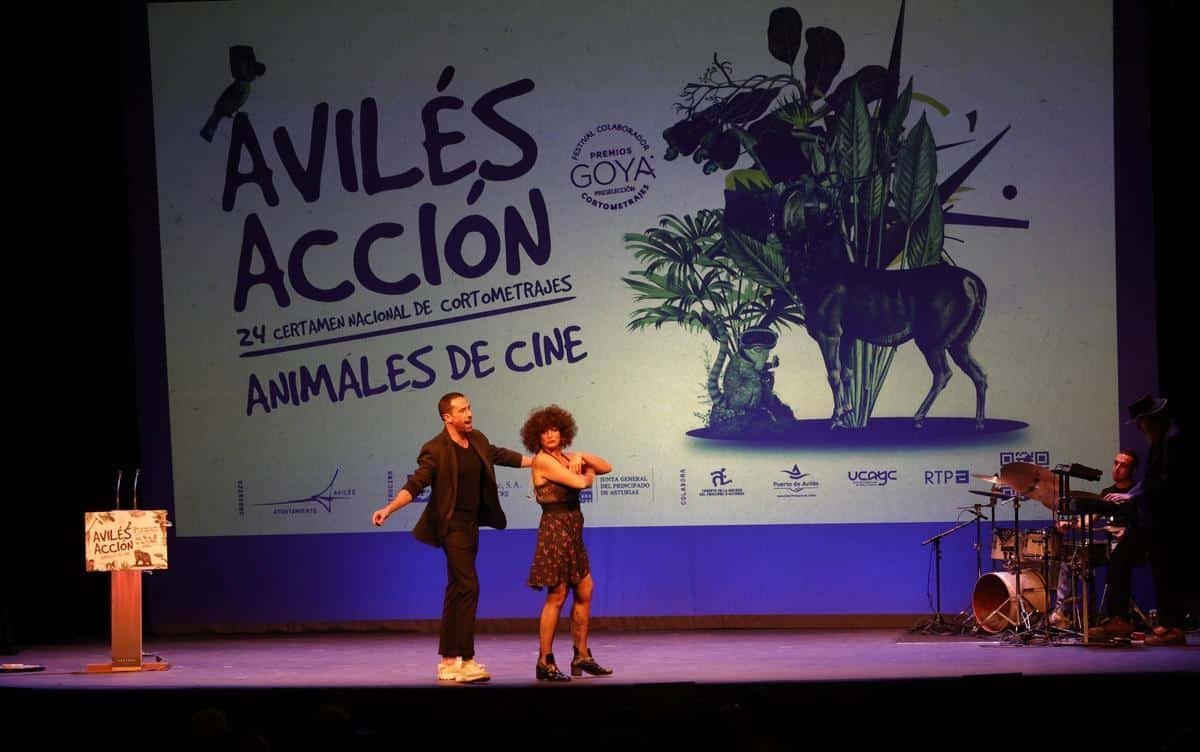


Avilés Acción Film Festival 2026 – Spain
What to expect
Avilés Acción Film Festival is a Spanish short-film festival held in Avilés, combining competitive short-film screenings with cinema, education, professional activities, music, technology and encounters with filmmakers. Organised with the support of the Ayuntamiento de Avilés, the festival has developed into an important platform for emerging and established voices in Spanish short cinema.
The festival’s programme is centred on short films but extends well beyond a conventional competition. The current edition brings together 33 short films across several sections, including Official, Asturias, Documentary and Animation, while also creating an international connection with Mexico through a collaboration with the Guanajuato International Film Festival.
Visitors can expect a mixture of competitive screenings, special film presentations, professional meetings, educational activities, live music, immersive audiovisual experiences and public conversations with important cinema figures. The festival is particularly interesting for travellers who want to experience Spanish short filmmaking in a smaller cultural setting rather than attending only large international film festivals.
Enjoy Your Event Stress-Free with Spain Travelo
Planning a trip around a festival, concert, cultural celebration, or business event in Spain can be time-consuming—finding tickets, accommodation, transportation, and local information takes effort. Spain Travelo makes it easier by bringing essential event information, travel planning, and support together in one place.
Another important feature is accessibility of the programme. The festival states that its screenings and activities are free until capacity is reached, making it possible to experience a substantial amount of the programme without purchasing a festival pass.
The event also has a strong connection with local audiences. Educational initiatives such as Aulas y… ¡Acción! introduce students to audiovisual storytelling, while the AA72H challenge gives secondary-school and upper-secondary students an opportunity to create a short film within a demanding production format.
Festival dates
Event Dates: 10–17 October 2026
The official festival website confirms these dates for the current edition. The programme includes competitive screenings, professional activities, special cinema presentations, concerts, immersive experiences and opening and closing events across the festival period.
Visiting this event? Don’t miss out on these amazing activities and local experiences while you’re here.
Venues & festival locations
The principal venue is the Casa Municipal de Cultura de Avilés, located at Plaza Domingo Álvarez Acebal, 2, in the historic centre of Avilés. The municipal building includes a 677-seat auditorium, a conference room, exhibition spaces and meeting areas, making it suitable for both film screenings and professional activities.
The festival also uses several other cultural locations for specific activities.
Casa Municipal de Cultura: The main festival hub and principal location for short-film screenings, industry sessions, educational activities and public meetings.
Teatro Palacio Valdés: Used for major festival events including the closing gala and award presentation.
La Caset-AA: An urban festival space associated with music and social activities, positioned near the Casa de Cultura.
La Factoría Cultural: Used for immersive audiovisual activities including virtual and augmented reality experiences.
Cultural and public spaces: Selected concerts and complementary activities can extend into other central locations around Avilés.
The Casa Municipal de Cultura is particularly convenient for visitors because of its central position beside Parque Ferrera and within the historic area. The building itself was designed as a connection between the city centre and the park and contains substantial cultural facilities.
Full programme
The programme combines competition, special screenings, professional development, education, music and emerging audiovisual technologies.
Official Section: The central competitive section presents short films selected for their artistic and contemporary relevance. The current selection includes ten works exploring subjects such as social relationships, identity, conflict, absurdity, family and experimental storytelling.
Asturias Section: This section focuses on filmmaking connected with Asturias and provides a platform for regional directors, actors and creative teams.
Documentary Section: The documentary programme explores real-life stories and social subjects through short-form filmmaking. Current selections address subjects including memory, grief, exploitation, justice, everyday life and women’s relationship with cycling.
Animation Section: Animation has become a permanent part of the festival’s competitive programme. The section highlights different forms of animated storytelling, from comedy and genre cinema to darker and more experimental work.
GIFF Guanajuato Section: The collaboration with the Guanajuato International Film Festival brings a selection of Mexican short films to Avilés, creating an international exchange between Spanish and Mexican film communities.
Feature-film programme: The festival also broadens its cinema offering with a selection of feature films representing different periods, countries and approaches to filmmaking.
Educational programme: Aulas y… ¡Acción! connects the festival with schools through film discussions and the AA72H filmmaking challenge.
Industry programme: The JICA short-film industry sessions provide training, pitching, professional discussions and advice for filmmakers and audiovisual professionals.
Featured films & premieres
The current programme includes a mixture of short films, feature films and special audiovisual presentations.
Among the Official Section titles are Holdsworth by Xose Dopazo, Dissecció d’una incoherència en crisi by Nausica Serra, Cara de Cona by Guillermo de Oliveira and Una vocal by Polo Menárguez. These works demonstrate the festival’s interest in combining established filmmaking talent with fresh and experimental approaches.
The animation selection includes Jervasio by Félix Bollain and David Rosel, El cuerpo de Cristo by Bea Lema and Mi juego by David Navarro Bravo. These films illustrate the range of animation presented by the festival, moving from comedy and social observation to horror, memory and genre storytelling.
The documentary programme includes geratzen den hori, el congelador, Un piso estupendo and cara de bicicleta. Their subjects range from personal memory and bereavement to exploitation, housing and women’s relationship with cycling.
The festival also includes special feature-film presentations. The programme connects contemporary cinema with established Spanish filmmaking and international works, giving visitors a broader experience than a short-film competition alone.
A particularly distinctive element is the presentation of immersive works. The festival’s audiovisual technology programme includes virtual-reality and augmented-reality experiences designed for different audiences, including family visitors and older audiences.
Directors, actors & guests
Avilés Acción regularly brings filmmakers and performers into direct contact with audiences through conversations, masterclasses and special appearances.
The current edition gives particular recognition to Isabel Coixet, one of Spain’s most internationally recognised directors. Her presence is connected with the festival’s special recognition programme and provides an opportunity for audiences to engage directly with an established filmmaker.
Pelayo Gutiérrez Álvarez is another major figure being recognised. The Avilés-born sound designer has worked on more than 200 film and television productions and has received several Goya Awards for sound. His professional credits include collaborations with filmmakers such as Pedro Almodóvar, Alberto Rodríguez, Icíar Bollaín and Fernando Trueba.
The festival jury also brings together professionals from different areas of filmmaking. Marcela Peña contributes production experience, Sergio G. Sánchez brings directing and screenwriting experience, and María José Z. Burgos contributes extensive cinematography experience.
Screening schedule
The screening programme is organised into clearly defined blocks, allowing visitors to select between competitive short films, regional cinema, documentaries, animation, international selections and feature presentations.
Competitive sessions are particularly important because they provide opportunities to see several short films together and compare different approaches to storytelling. The Official Section is divided into screening blocks rather than being presented as one continuous programme.
Visitors should check the official daily schedule before attending because screening times, rooms and capacity can vary between individual sessions.
The festival also combines film screenings with discussions and professional activities, so visitors interested in filmmaking should consider building time around the screenings rather than attending only the competition.
Because admission is free and capacity is limited, arriving early is advisable for popular screenings and special events. The official festival website states that tickets are available at the Casa de la Cultura on the day of each screening, subject to available capacity.
Ticket types & accreditation
The festival’s public screening model is especially straightforward.
General admission: Free of charge until capacity is reached.
Screening access: Tickets can be obtained on the day of the relevant screening at the Casa de la Cultura ticket office, according to the festival’s published information.
Special events: Some major activities may operate with invitations, capacity restrictions or specific access arrangements.
Industry participation: Professional activities are handled through registration rather than a conventional paid festival pass.
The festival does not currently present a paid public ticket structure comparable to large commercial film festivals. Visitors should therefore plan around capacity and arrive early rather than expecting to purchase a guaranteed premium seat.
Industry & professional access
JICA, the festival’s short-film industry programme, is an important part of Avilés Acción. It is designed for people working in or preparing to enter the audiovisual sector and combines practical sessions with opportunities to discuss projects and professional development.
Activities include pitching for short films in development, sessions on cinematography, production design, audiovisual storytelling, production opportunities, financing, sound design and professional development.
The pitching component is particularly useful for filmmakers who are developing new projects. Selected projects can be presented to industry professionals, while other participants can attend as members of the audience.
Participation in JICA activities is free, subject to prior registration and available capacity. The registration form requests professional or educational information related to the audiovisual sector, along with any relevant observations or attendance requirements.
This makes the festival useful not only for spectators but also for directors, producers, writers, cinematographers, students and other audiovisual professionals.
Red carpet & special events
Avilés Acción uses special events to make the festival feel more like a city-wide cultural celebration.
The opening programme combines cinema and live music, including a specially created cine-concert. This type of event reflects the festival’s interest in presenting cinema as a multidisciplinary art form rather than limiting the experience to conventional screenings.
The programme also incorporates concerts and informal music activities, giving the festival a social dimension beyond the cinema auditorium.
Immersive audiovisual experiences are another distinctive feature. Virtual and augmented reality installations introduce audiences to alternative forms of cinematic storytelling and provide an additional attraction for visitors travelling with families or younger audiences.
The closing gala at Teatro Palacio Valdés is one of the principal ceremonial events, bringing together award announcements, festival guests and recognition of important figures in Spanish cinema.
Festival rules
The competition is built around short-form cinema and has formal submission and exhibition requirements.
Eligible formats: The festival accepts digital film formats, with MP4 encoded using H264 among the principal formats. Other accepted formats have included MOV, DCP and backup physical formats under the published rules.
Language: Festival rules require films to be presented in Spanish or Asturian, or with subtitles in one of those languages.
Submission platforms: Previous official rules have used online film-submission platforms including Festhome and Movibeta.
Exhibition rights: Filmmakers or rights holders must provide the organisation with the necessary permissions for festival screening.
Awards: Previous published competition rules included awards for the Official Section, Asturias Section and Documentary Section. The previous published amounts were €1,000 for the Official Jury award, €700 for the Official Audience award, €500 for the Young Jury award and €500 for Best Performance, equivalent to approximately $1,119, $783, $559 and $559 respectively using the conversion basis applied for this listing. Other previous awards included Best Screenplay and Best Direction at approximately $447 each.
How to get there
Avilés is a well-connected city in Asturias and can be reached by road, rail and regional public transport.
For visitors arriving by air, Asturias Airport is the most practical airport for reaching the city. From the airport, travellers can continue towards Avilés by road or regional transport.
Rail is another useful option, particularly for visitors already travelling through Asturias. The city has rail connections with the wider Asturian transport network, while regional buses provide another way of reaching the centre.
For visitors arriving by car, Avilés is connected to the main road network serving Asturias. Once in the city centre, it is useful to leave the car in a public car park and continue on foot because the main festival area is concentrated around central cultural venues.
The official municipal tourism service provides visitor information and trip-planning assistance for people who want to combine the festival with sightseeing around Avilés and the surrounding area.
Public transport & parking
Public transport is practical for reaching the central festival area, particularly for visitors staying within Avilés or nearby Asturian towns.
The Casa Municipal de Cultura is centrally located near the historic centre and Parque Ferrera, making walking one of the easiest options once visitors arrive in central Avilés.
For visitors driving, public parking is available around the city centre. The official accessible tourism map identifies public accessible parking and reserved parking spaces for people with reduced mobility in the historic-centre area.
Visitors should allow extra time when travelling to popular screenings because free admission means that audience demand can be high. Parking farther from the busiest streets and walking to the Casa de Cultura can be a practical option.
Accommodation areas
The best accommodation choice is generally central Avilés, especially around the historic centre and areas close to the main cultural venues.
Historic centre: Ideal for visitors who want to walk to screenings, restaurants, cafés and attractions.
City centre: Convenient for transport connections and for reaching different festival locations.
Around Parque Ferrera: A pleasant choice for visitors who prefer to stay close to the Casa Municipal de Cultura and green spaces.
Near Plaza de España: Useful for travellers interested in the historic centre, dining and evening activities.
Wider Avilés area: Suitable for visitors who have access to a car and want a broader choice of accommodation.
The city’s official tourism service provides information for organising stays and exploring the historic centre, cultural attractions and wider region.
Food & dining
Avilés offers a strong food culture, with restaurants, traditional Asturian establishments, cafés, bakeries and casual dining options spread around the historic centre.
Visitors attending screenings can easily combine the festival with meals in the central streets surrounding the cultural venues. Traditional Asturian cuisine is particularly worth trying, including hearty regional dishes, local cheeses, seafood and cider.
The historic centre is a good area for a relaxed pre-screening meal or an evening after a festival session. Visitors can also look for cafés and bars around the central squares when they want a lighter meal or a quick break between activities.
For a longer stay, it is worth using the official Avilés tourism resources to explore the city’s dining and cultural recommendations rather than restricting the trip entirely to festival venues.
Accessibility
Accessibility is an important consideration because the festival’s main venue is located in the central urban area and the city provides accessible tourism information.
The official Avilés accessible-tourism route identifies the Casa de la Cultura among the recommended accessible establishments. The city’s accessibility map also identifies accessible public parking, reserved parking for people with reduced mobility, accessible public toilets, transport points and accessible routes.
The Casa Municipal de Cultura is a substantial public cultural building with an auditorium, conference room, exhibition areas and other facilities.
Visitors who require specific seating, mobility assistance or other accommodations should contact the festival before attending so that the organisation can confirm arrangements for the particular screening or activity.
Best screenings to attend
Official Section: The strongest choice for visitors wanting the core competitive experience and an overview of contemporary short filmmaking.
Asturias Section: Recommended for people interested in regional filmmakers, local stories and the creative scene connected with Asturias.
Documentary Section: A good option for viewers who prefer socially engaged, real-life and observational cinema.
Animation Section: Particularly suitable for audiences interested in visual experimentation, genre storytelling and the creative possibilities of animated cinema.
GIFF Guanajuato: A strong choice for viewers wanting international perspectives and Mexican short filmmaking.
Industry sessions: Essential for filmmakers, students, producers and audiovisual professionals who want practical knowledge rather than only screenings.
Immersive programme: Worth prioritising for visitors interested in virtual reality, augmented reality and new cinematic formats.
Previous year’s highlights
The previous edition continued the festival’s tradition of combining competitive short cinema with education, special guests and additional film activities.
The Official Section awarded its main jury prize to La sangre de Joaquín León, while the audience also selected the same title as its favourite. Nacho Sánchez received the Best Performance award for Una cabeza en la pared, while Pagliacci won Best Screenplay and Your own boss received Best Direction.
The Asturias Section recognised Campolivar with its main jury prize, while Ius del tiempo received the audience award. The Documentary Section awarded Relax with the jury prize and Dom with the audience prize.
The festival also maintained its educational commitment through the Avilés Acción 72H initiative, where student teams produced short films under a demanding creative challenge.
Another highlight was the expansion of the festival’s programme beyond conventional short-film competition. The previous edition included feature films, international connections, professional activities and special encounters with filmmakers. The festival also presented a virtual-reality programme and hosted director Julio Medem for a masterclass and public conversation.
The continuing combination of competition, education, industry development and public engagement demonstrates why Avilés Acción has developed into more than a traditional short-film screening event.
Official tickets & accreditation
Public admission is one of the festival’s strongest advantages. The official website states that festival tickets are free until capacity is reached, with tickets available on the day of each screening at the Casa de la Cultura ticket office.
There is therefore no need to budget for a conventional paid festival pass for the standard public programme. Visitors should instead plan around venue capacity and arrive early for high-demand screenings.
Professional participants should use the festival’s registration system for JICA activities. Industry participation is free but requires registration and is subject to available capacity.
For official information, programme updates, screening details, registration and accreditation announcements, consult the Avilés Acción Film Festival official website (https://avilesaccion.com/).
Festival communication: comunicacion@avilesaccion.com
Tickets Sell Out
in Minutes
Maps
Contact
FAQ's
Is Avilés Acción Film Festival free to attend?
Yes. The festival states that its public screenings and activities are free until capacity is reached. Tickets can be obtained on the day of each screening at the Casa de la Cultura ticket office, so visitors should arrive early for popular sessions.
What type of films are shown at Avilés Acción?
The festival focuses primarily on short films and includes Official, Asturias, Documentary and Animation sections. Its wider programme can also include feature films, international selections, immersive audiovisual works and special cinema presentations.
Can filmmakers and audiovisual professionals participate?
Yes. The JICA industry programme is designed for filmmakers, producers, students and other audiovisual professionals. Activities include pitching, masterclasses, professional discussions, financing information and practical sessions, with participation available free of charge subject to registration and capacity.
Does the festival include activities beyond film screenings?
Yes. Avilés Acción combines cinema with educational programmes, professional meetings, live music and immersive audiovisual experiences. This makes it suitable for visitors interested in both traditional filmmaking and newer forms such as virtual and augmented reality.
Where is the main festival venue?
The main venue is the Casa Municipal de Cultura de Avilés in the city centre. It includes a large auditorium, conference facilities, exhibition spaces and meeting areas, while selected major events can take place at other cultural venues around Avilés.