
San Mateo Festival 2027 – Cuenca, Spain
Overview
San Mateo Festival is one of the most important traditional celebrations in Cuenca, Castilla-La Mancha, combining medieval history, local religious heritage, popular festivities, music, street entertainment and the distinctive vaquillas enmaromadas. Spain’s official tourism portal recognizes San Mateo as a Festival of Tourist Interest and describes it as a major celebration connected with the historical conquest of Cuenca by Alfonso VIII.
The festival is closely associated with Cuenca’s historic centre, where narrow streets, historic buildings and the Plaza Mayor provide the setting for much of the public programme. The celebration has a strongly local character, with Peñas Mateas playing an important role in organizing and participating in activities.
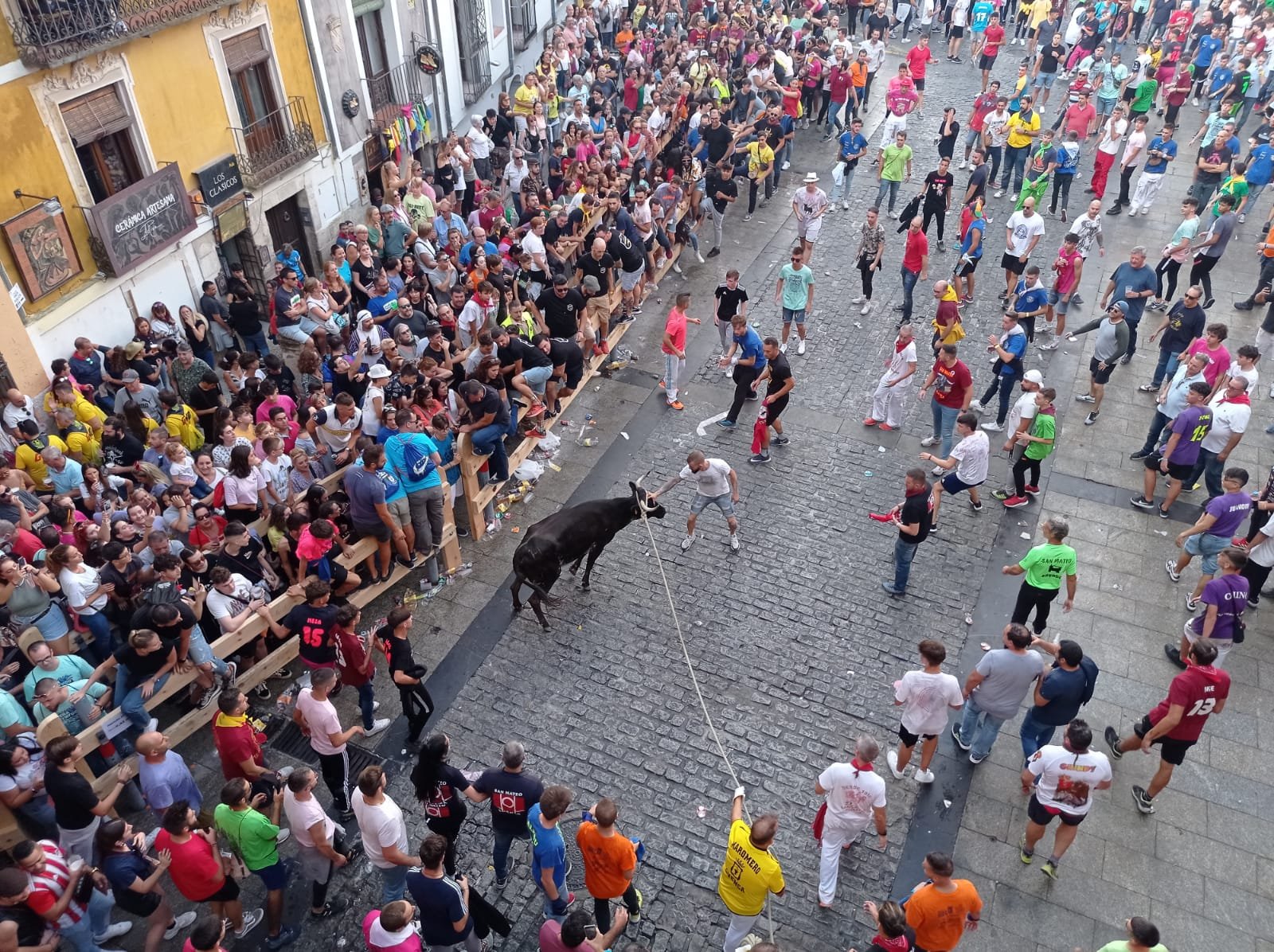
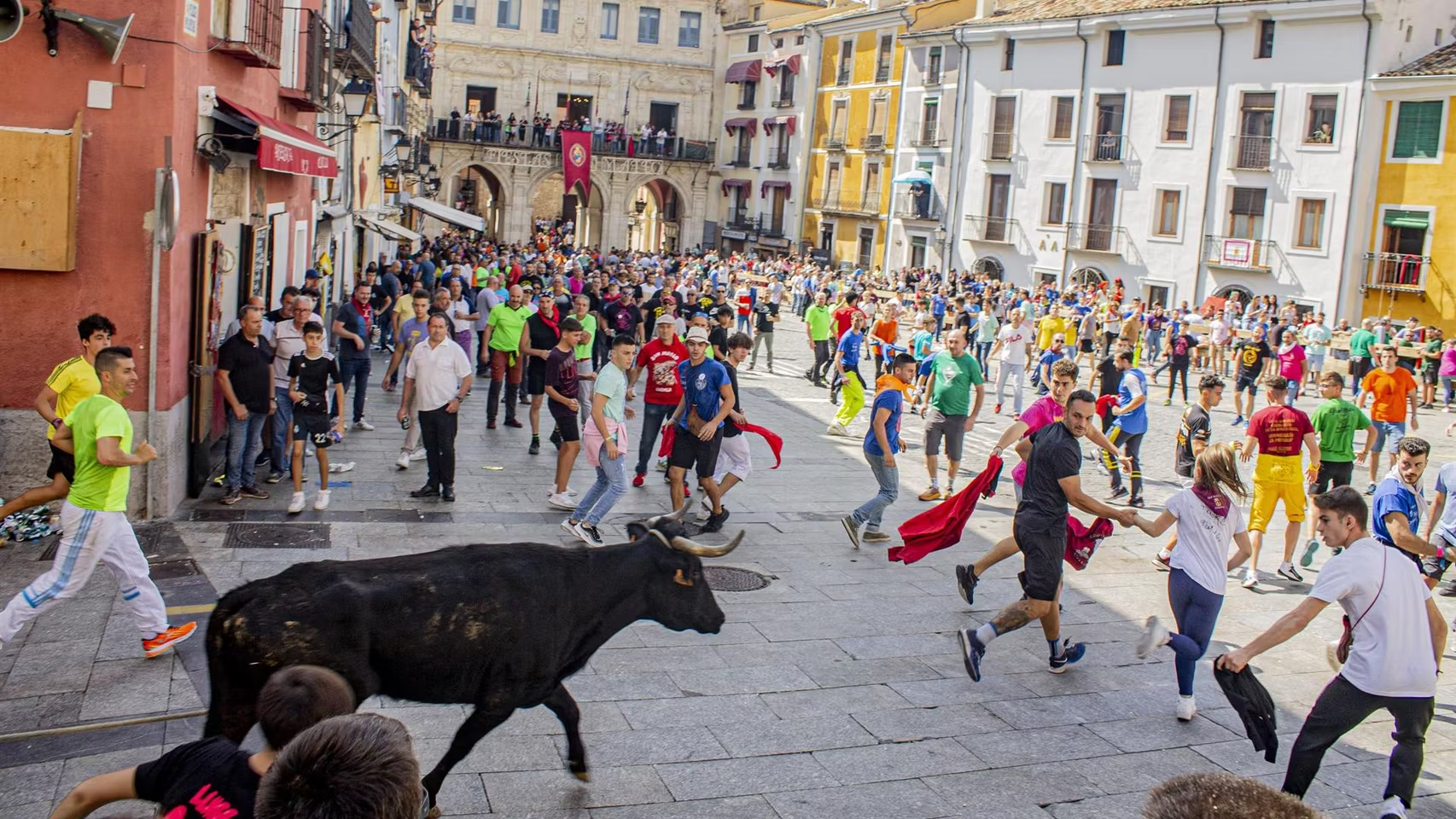
One of the defining features is the traditional running of young bulls or vaquillas enmaromadas. The animals are guided through designated areas by maromeros using ropes, with the activity taking place under an organized safety system. This tradition is at the heart of the festival and has been maintained as part of Cuenca’s cultural identity.
Enjoy Your Event Stress-Free with Spain Travelo
Planning a trip around a festival, concert, cultural celebration, or business event in Spain can be time-consuming—finding tickets, accommodation, transportation, and local information takes effort. Spain Travelo makes it easier by bringing essential event information, travel planning, and support together in one place.
San Mateo is also much more than its bull-running tradition. Visitors can experience processions, traditional music, concerts, children’s activities, fireworks, the Toro de Fuego, public dances, religious ceremonies, food events and gatherings organized by local festive groups.
The result is a lively city festival where Cuenca’s medieval heritage and contemporary community life come together in the streets.
Cultural Significance & Origins
The historical identity of San Mateo is connected with Alfonso VIII of Castile and the Christian conquest of Cuenca. Spain’s official tourism information identifies the historical origin of the celebration with the conquest of the city by Alfonso VIII and the traditional belief that the king rewarded his troops with a great celebration.
The celebration therefore has both civic and religious dimensions. The Royal Standard, or Pendón de Alfonso VIII, is one of its most important historical symbols. The ceremonial transfer of the standard between the Cathedral and the Ayuntamiento forms part of the traditional programme and represents the city’s historical memory.
The festival’s traditions have developed over centuries. Historical documentation concerning the civic-religious celebration and bull-related festivities dates back several centuries, demonstrating that San Mateo is not a newly created tourism event but a deeply rooted local tradition.
The celebration is particularly significant to the people of Cuenca because the historic centre becomes an active community space. Local Peñas, musicians, families, cultural groups and residents participate directly rather than simply attending as spectators.
This community involvement is one reason San Mateo continues to have such a strong presence in Cuenca’s cultural calendar. The official Castilla-La Mancha tourism website describes the Peñas as central to the festival and emphasizes the way generations maintain the tradition.
Traditions, Rituals & Customs
The most distinctive tradition is the running of the vaquillas enmaromadas. Young bulls are released within controlled festival areas while ropes are attached to their horns and handled by experienced maromeros. The practice requires coordination and careful crowd management, with municipal authorities putting specific safety measures in place.
The maromeros have an important role in the festival. Their responsibility is not simply to participate in a spectacle but to help manage the movement of the animal and protect people in the surrounding area. The tradition therefore combines physical skill, experience and knowledge of the historic festival environment.
The Desfile de Peñas is another important custom. Local groups gather together in festive clothing and make their way toward the central celebration area. The procession provides a communal introduction to the festivities and gives the Peñas a visible role in the public celebration.
The Pregón, or opening proclamation, formally announces the festival. It is traditionally delivered from the municipal setting after the Peñas procession and marks the beginning of the main celebrations.
Other established customs include:
- Transfer and return of the Pendón de Alfonso VIII
- Religious ceremonies connected with San Mateo
- Traditional music and pasodobles
- Toro de Fuego
- Public dances and evening entertainment
- Giant and big-head parades
- Children’s versions of selected festival activities
- Popular food gatherings
- Fireworks and the closing celebration
What to Expect at the Festival
Visitors should expect a very lively atmosphere throughout the historic centre. The festival is particularly recognizable by the combination of traditional Peñas, music, colourful scarves, crowded streets and historic surroundings.
The Plaza Mayor serves as one of the central gathering points, while surrounding streets and historic areas accommodate different parts of the programme.
A typical festival experience may include:
- Peñas gathering and parading through the city
- Traditional vaquillas enmaromadas
- Live music and charangas
- Pasodobles performed by local musicians
- Toro de Fuego
- Public dances and evening orchestras
- Religious ceremonies
- Children’s entertainment
- Traditional food and drink
- Cultural activities
- Fireworks and closing celebrations
The festival can become particularly busy around major public events. Recent municipal safety planning has included crowd-control arrangements for the Plaza Mayor, demonstrating the importance of following official instructions and respecting restricted areas.
Families can also find dedicated activities. Recent programmes have included San Mateo Infantil, children’s parades, traditional games, drawing activities, giants and big-head figures, and carretones designed to provide younger visitors with a safer way to experience the festive traditions.
Date & Schedule
Fiestas de San Mateo 2027 is scheduled for:
September 2027 (Dates TBD)
The official Spain tourism listing currently shows the 2027 dates as pending confirmation.
The final 2027 programme should be checked through official Cuenca tourism and municipal sources once released, particularly for the precise times of the vaquillas, processions, religious ceremonies, concerts and other activities.
Visiting this event? Don’t miss out on these amazing activities and local experiences while you’re here.
Main Events & Programme
The precise 2027 programme has not yet been published, but the established structure of San Mateo provides a strong indication of the main experiences visitors can expect.
Desfile de Peñas Mateas
The Peñas parade is traditionally one of the first major public events. Participating groups travel toward the Plaza Mayor, bringing together costumes, music, banners and the distinctive social atmosphere of the festival. Recent official programming has placed the parade between Plaza de España and Plaza Mayor.
Pregón de Fiestas
The Pregón is the ceremonial proclamation that opens the main festival celebrations. It is delivered from the municipal setting and formally introduces the programme.
Vaquillas Enmaromadas
The vaquillas are the central traditional spectacle. The young bulls are guided using ropes handled by maromeros, with the activity concentrated around designated areas of the historic centre.
Pasodobles
Traditional Spanish pasodobles performed by local musical groups form part of the atmosphere surrounding the vaquillas and other public activities.
Toro de Fuego
The Toro de Fuego is an evening pyrotechnic tradition and one of the recognizable popular spectacles of San Mateo. It is followed or accompanied by further evening entertainment depending on the official programme.
San Mateo Infantil
Children have their own programme, allowing families to experience a version of the festival away from the more intense adult celebrations. Recent programmes have included games, children’s parades, drawing activities and carretones.
Pendón de Alfonso VIII
The ceremonial movement of the historic standard is an important civic tradition. It connects the festival directly with Cuenca’s medieval history and the story of Alfonso VIII.
Religious Ceremony and Floral Offering
Religious observances and floral tributes form another part of the traditional programme, providing a more solemn counterpoint to the street festivities. Recent municipal programmes have included a Mass and floral offering connected with the celebration.
Traditional Dress, Arts & Community Culture
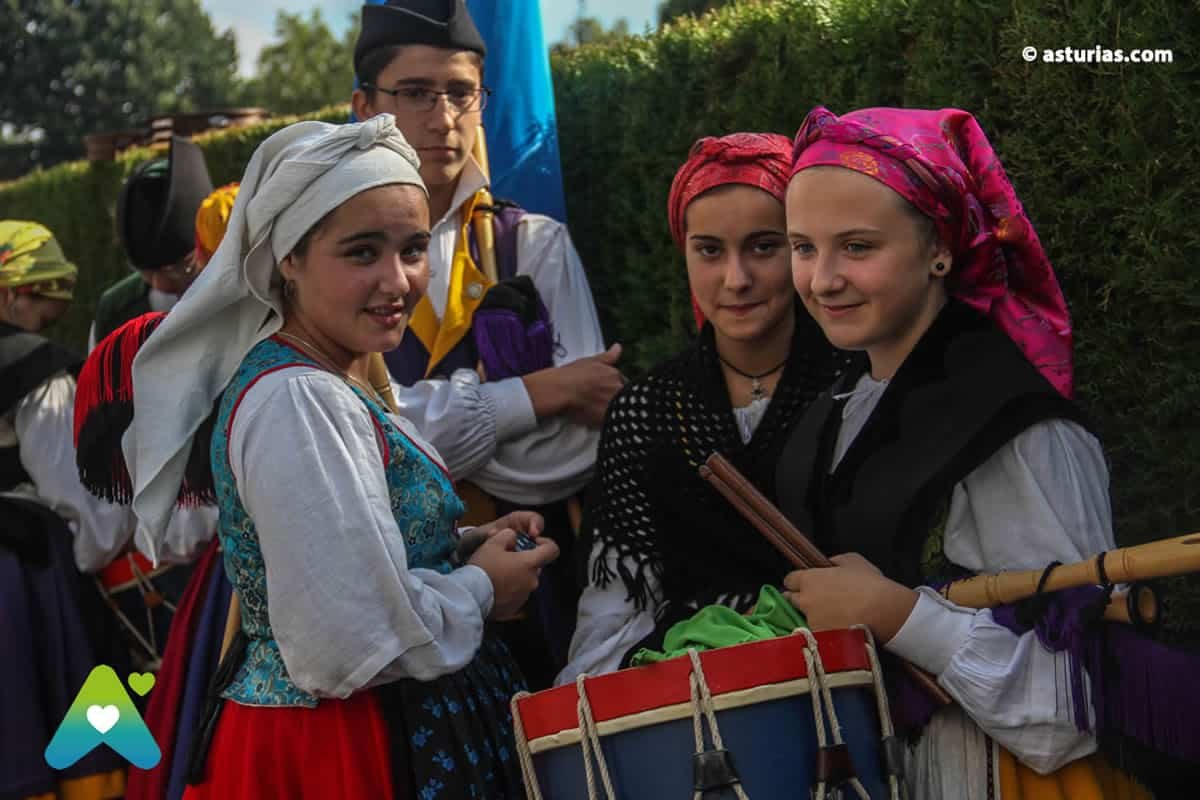
San Mateo does not have a single standardized costume comparable to some major folkloric festivals, but traditional and festive clothing is an important part of the visual identity of the celebration.
Peñas are especially recognizable through their group colours, clothing, scarves and banners. The collective appearance of the Peñas helps distinguish individual groups and creates one of the most characteristic sights during public processions.
Music is equally important. Brass bands, charangas and municipal musicians provide the soundtrack to many public celebrations. Pasodobles are particularly associated with the bull-running traditions and help create the classic Spanish fiesta atmosphere.
The historic environment itself contributes to the cultural character of the festival. Cuenca’s old town, with its narrow streets and dramatic position above the surrounding landscape, provides a distinctive backdrop for a celebration rooted in medieval history.
Recent official tourism information emphasizes that the historic centre becomes a place where heritage, community participation and celebration come together.
Traditional Food & Local Specialties
Food is an important social component of San Mateo. Festival gatherings traditionally include simple, hearty foods prepared and enjoyed in a communal atmosphere.
One of the best-known festival combinations is roasted potatoes, grilled sardines and zurra. Official regional tourism information specifically highlights these foods and drink as part of the San Mateo experience.
Zurra is a traditional festival drink based on wine, sugar and lemon, with recipes varying between households and local traditions. It is strongly associated with the social side of the celebration.
Recent festival programming has also included food competitions and popular gastronomy events. For example, municipal programming has included a gachas tasting competition, reflecting the importance of traditional local cooking within the wider festival.
Visitors can also use the festival as an opportunity to discover broader Castilian-Manchegan cuisine, including hearty stews, local cheeses, cured meats, game dishes and regional sweets.
Location & Festival Areas
San Mateo takes place across Cuenca’s historic centre rather than inside one enclosed festival venue.
The most important area is the Plaza Mayor, which serves as a major gathering point for public celebrations. Other streets and spaces around the old town are incorporated into the programme depending on the activity.
Key festival areas include:
- Plaza Mayor
- Cuenca historic centre
- Streets surrounding Plaza Mayor
- Ayuntamiento and surrounding civic area
- Cathedral area
- Plaza de Mangana
- Plaza de España
- Barrio del Castillo
- Other designated streets and public spaces
The official Spain tourism listing gives Plaza Mayor as the principal address for the festival, while Cuenca tourism identifies the historic centre as its wider setting.
Because San Mateo uses public streets and historic spaces, visitors should expect temporary access restrictions, pedestrian controls and crowd-management measures during major activities.
Getting to the Festival
Cuenca is located in Castilla-La Mancha and can be reached from Madrid, Valencia and other Spanish cities by rail and road.
By train
Cuenca has rail connections with other Spanish destinations. Visitors arriving by train can use local transport or taxis to reach the historic centre.
By road
The city is accessible by road from Madrid and Valencia. Driving provides flexibility for visitors staying outside the centre, although parking and access can become more complicated during the festival.
By local transport
Local buses, taxis and walking are useful options once in Cuenca. The historic centre is best explored on foot, although visitors should allow extra time because public events can make some streets crowded.
Walking in the old town
Walking is often the most practical way to move between nearby festival areas. However, Cuenca’s historic centre includes steep streets and uneven surfaces, so comfortable footwear is recommended.
Where to Stay Nearby
Staying in or near central Cuenca is the most convenient choice for visitors who want quick access to the festival atmosphere.
Accommodation around the historic centre allows visitors to reach the Plaza Mayor and surrounding public areas without relying heavily on a car.
Hotels, guesthouses and apartments can also be found in the newer parts of the city. These areas may offer easier vehicle access while still being within reasonable reach of the historic centre.
Visitors traveling specifically for San Mateo should consider booking accommodation early. The celebration attracts substantial local participation and can create increased demand for accommodation in central Cuenca.
For travelers interested in combining the festival with sightseeing, staying centrally also provides convenient access to Cuenca’s historic monuments, museums, viewpoints, restaurants and pedestrian areas.
What Visitors Can Participate In
San Mateo is a highly participatory festival, but visitors should distinguish between activities that are suitable for general participation and traditions that should be observed from designated areas.
Visitors can:
- Attend public processions
- Watch the Peñas parade
- Listen to traditional music
- Attend concerts and public dances
- Explore cultural activities
- Enjoy traditional food
- Participate in family-friendly activities
- Watch the Toro de Fuego from an appropriate location
- Visit the historic centre during the celebrations
- Observe religious and civic ceremonies respectfully
The vaquillas enmaromadas should be approached as a traditional spectacle rather than an invitation for inexperienced visitors to enter restricted areas. Municipal safety arrangements and instructions from officials should always be followed. Recent security planning has included police, firefighters, civil protection and other personnel to manage the event environment.
Families can particularly benefit from the children’s programme, which provides ways for younger visitors to experience elements of the festival in a more controlled environment.
Things to Do Before or After the Festival
Cuenca is an excellent destination for combining San Mateo with cultural sightseeing.
Cuenca Historic Centre
The historic centre is one of the city’s most important attractions and provides the architectural setting for the festival. Visitors can explore its narrow streets, historic buildings, churches and viewpoints.
Hanging Houses
The famous Casas Colgadas are among Cuenca’s best-known landmarks. Their dramatic position above the gorge makes them one of the city’s essential sights.
Cuenca Cathedral
The Cathedral is particularly relevant to San Mateo because the traditional Pendón ceremony is connected with the building. It is also one of the principal architectural attractions in the old town.
Mangana Tower
The Torre de Mangana is another important landmark in central Cuenca and is close to areas used for family festival activities.
Castile-La Mancha countryside
Visitors with additional time can explore the landscapes around Cuenca, including the surrounding valleys, forests and natural areas.
Local Food & Restaurants
Cuenca has a strong culinary tradition based on Castilian and Manchegan cuisine.
Visitors should look for restaurants serving traditional dishes alongside modern interpretations of local ingredients. Typical choices include meat stews, game, local cheeses, cured meats and regional desserts.
During San Mateo, casual festival food can be just as important as restaurant dining. Roasted potatoes, grilled sardines and zurra are particularly associated with the festival atmosphere.
The historic centre contains restaurants and bars where visitors can enjoy local food while remaining close to the main festival areas.
For a more relaxed meal, visitors can choose restaurants away from the busiest festival streets. This can be useful during peak evening periods when central venues become crowded.
Ticket Information & Access
San Mateo is primarily a public city festival rather than a conventional ticketed event. The major traditional activities take place in public streets and squares, meaning visitors generally do not need a festival admission ticket to experience the main celebration.
Public processions, outdoor cultural activities and much of the general festival atmosphere are accessible without an admission fee.
General festival access: $0
Certain individual activities may have their own access arrangements, particularly if organizers introduce special indoor performances or separately managed events. Visitors should therefore check the official programme for any specific activity they intend to attend.
The vaquillas enmaromadas also have designated viewing and safety arrangements. Visitors should remain behind barriers or in areas indicated by officials rather than attempting to enter restricted sections.
Official Event Information
San Mateo is listed by Spain’s official tourism portal as a Festival of Tourist Interest and is also promoted through the official tourism resources of Castilla-La Mancha and Cuenca.
The official Spain tourism page currently lists the 2027 event dates as to be confirmed.
Official event information: Spain.info – San Mateo in Cuenca (https://www.spain.info/en/calendar/san-mateo/)
Visitors should check these official sources for the confirmed programme, activity locations, safety instructions and any changes to access arrangements before traveling.
Tickets Sell Out
in Minutes
Maps
Video
FAQ's
What is San Mateo Festival in Cuenca?
San Mateo is one of Cuenca's principal traditional celebrations and commemorates the city's historical connection with Alfonso VIII. The festival combines medieval heritage with Peñas, music, processions, religious ceremonies, vaquillas enmaromadas and public entertainment. Much of the celebration takes place around the historic centre and Plaza Mayor.
What are the vaquillas enmaromadas?
Vaquillas enmaromadas are young bulls guided through designated festival areas using ropes handled by experienced maromeros. The tradition is one of the defining elements of San Mateo and has deep historical roots in Cuenca. Visitors should watch only from officially designated safe areas and follow all instructions from event officials.
What role do the Peñas play in San Mateo?
The Peñas are local festive groups that contribute strongly to the identity and atmosphere of San Mateo. They participate in parades, organize social activities and help maintain traditions from one generation to another. Their colourful presence, music and group identity are among the most recognizable features of the celebration.
Is San Mateo suitable for families?
Yes, although families should choose activities carefully because the bull-running events can be intense and have restricted safety areas. The festival programme also includes dedicated children's activities, traditional games, children's parades and other family-oriented entertainment. These provide younger visitors with a more controlled way to experience Cuenca's festive traditions.
Where does San Mateo take place?
The festival is spread through Cuenca's historic centre, with the Plaza Mayor serving as one of its principal gathering areas. Other important locations can include the Cathedral, Ayuntamiento, Plaza de Mangana, Plaza de España and surrounding historic streets. The final programme should be checked for the precise location of each activity.