
Fiestas de la Magdalena 2027 – Castellón de la Plana, Spain
Overview
Fiestas de la Magdalena is the principal traditional festival of Castellón de la Plana and one of the most important cultural celebrations in the Valencian Community. Officially recognized as a Festival of International Tourist Interest, it transforms the city into a large open-air celebration combining history, local identity, traditional ceremonies, illuminated monuments, music, gastronomy, parades and pyrotechnics.
The festival is fundamentally different from many Spanish city fiestas because its central purpose is not simply the celebration of a patron saint. Instead, Magdalena commemorates the historical origins of Castellón and the movement of its population from the hill of Magdalena to the fertile plain. This story is reflected throughout the celebrations, particularly through the Romería de les Canyes and the spectacular Gaiatas.
For visitors, the festival offers an opportunity to experience Castellón through its local traditions rather than through a conventional tourist programme. Streets, squares and neighbourhoods become gathering places for cultural groups, festive associations, musicians, performers and residents.
Enjoy Your Event Stress-Free with Spain Travelo
Planning a trip around a festival, concert, cultural celebration, or business event in Spain can be time-consuming—finding tickets, accommodation, transportation, and local information takes effort. Spain Travelo makes it easier by bringing essential event information, travel planning, and support together in one place.
The atmosphere ranges from solemn and historical ceremonies to lively street entertainment, concerts, fireworks, mascletàs, food events and family activities. Much of the experience takes place outdoors, making the city itself an important part of the festival.
Cultural Significance & Origins
The origins of Fiestas de la Magdalena are closely connected with the foundation and development of Castellón de la Plana. The celebration remembers the historical movement of the population from the mountainous area around the Magdalena hill toward the plain where the modern city developed.
The hill of Magdalena and the Ermita de la Magdalena therefore have exceptional symbolic importance. The area represents the earlier settlement associated with the city’s origins, while the pilgrimage provides a physical and ceremonial connection between the historic settlement and modern Castellón.
The festival’s identity combines history, legend, religious tradition and popular culture. The city does not simply present its past through museums or monuments; it recreates aspects of that heritage through processions, symbolic objects, music, costumes and community participation.
The importance of the celebration is reflected in its International Tourist Interest designation. It has also become a major expression of Castellón’s local identity, with neighbourhood groups, gaiata commissions, collas and cultural associations contributing to the programme.
Another distinctive characteristic is the festival’s changing calendar. Its traditional placement is connected to Lent rather than a fixed calendar date, which means visitors should always check the official programme before arranging travel.
Traditions, Rituals & Customs
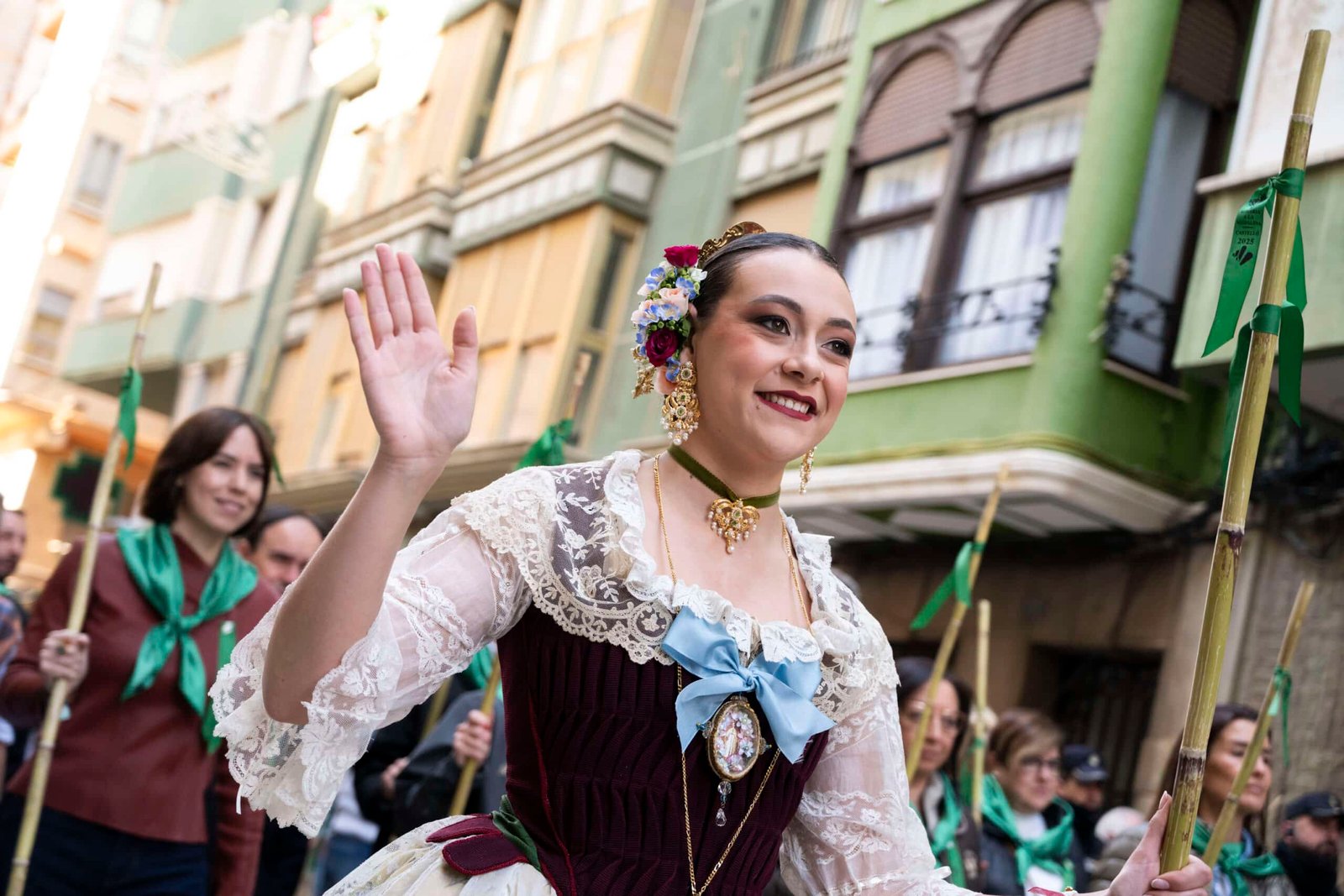
The central tradition is the Romería de les Canyes, a pilgrimage associated with the historical movement of the city’s population. Participants traditionally carry canes decorated with green ribbons while making their way toward the Ermita de la Magdalena. The pilgrimage remains one of the defining expressions of the festival.
The green-ribboned cane has become one of the most recognizable symbols of Magdalena. The tradition connects contemporary residents with the historical narrative that the festival commemorates.
Another major tradition is the Pregó, which officially announces the festivities through a ceremonial parade. It creates a transition from everyday city life into the festive period and invites residents and visitors to participate in the programme.
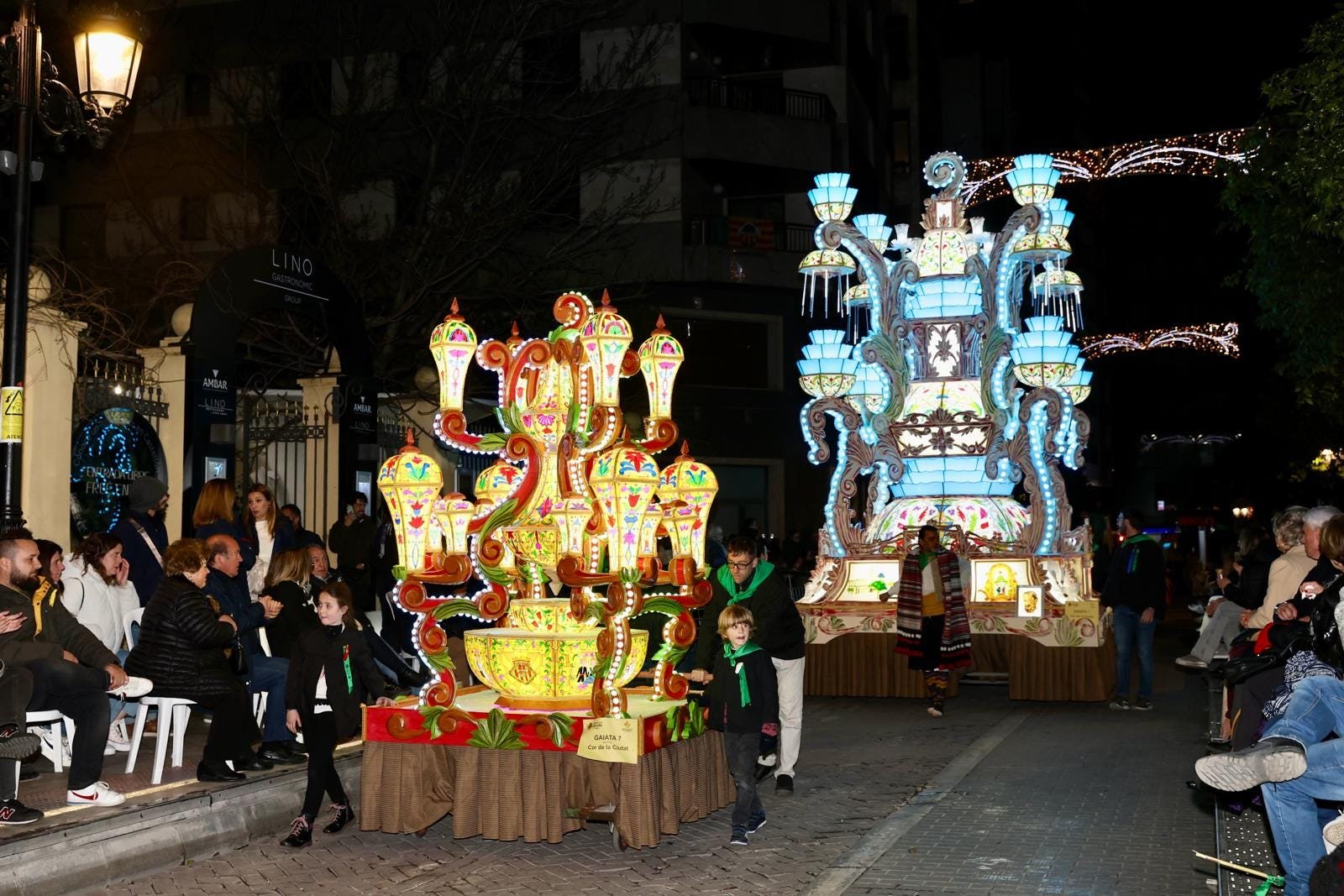
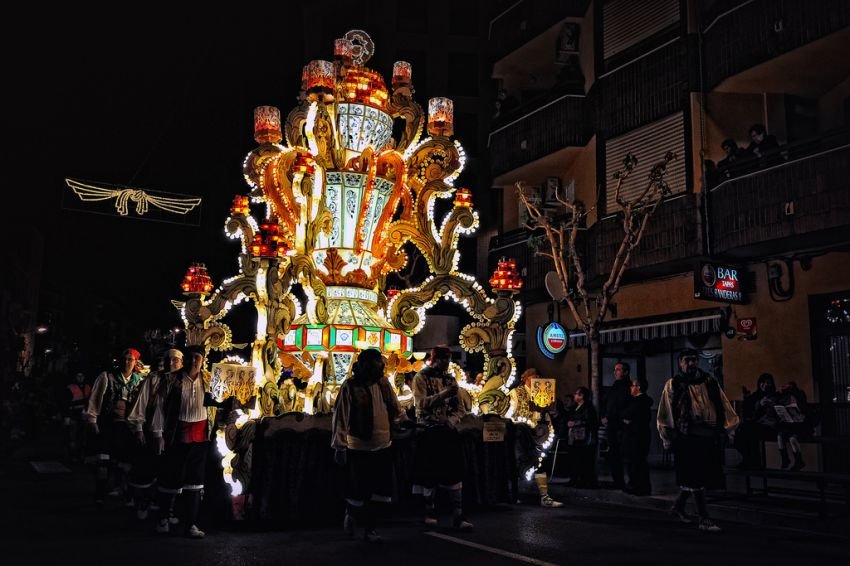
The Gaiatas are equally important. These illuminated structures represent the lights or lanterns associated with the traditional story of the population’s movement from the mountain toward the plain. Their appearance in evening processions creates one of the most visually distinctive moments of the celebration.
Other customs include mascletàs, musical performances, floral offerings, religious ceremonies, traditional parades, fireworks and community gatherings. Together, these traditions demonstrate how the festival combines historical remembrance with contemporary public celebration.
What to Expect at the Festival
Visitors can expect Castellón to feel significantly different during Magdalena. Public spaces become active with performances, processions, music and community activities, while festive associations contribute their own events and gatherings.
The festival is particularly suitable for travelers interested in traditional Spanish celebrations because the programme is not centered on one attraction. Instead, it is spread across the city and surrounding historic areas.
Expect a mixture of:
- Traditional processions and ceremonies
- Illuminated Gaiata monuments
- The Romería de les Canyes
- Mascletàs and other pyrotechnic displays
- Fireworks
- Concerts and live music
- Street entertainment and parades
- Food stalls and gastronomic events
- Artisan and themed markets
- Family activities
- Cultural and folkloric performances
- Community celebrations organized by local groups
The scale can be substantial, with official programmes in recent editions containing more than 200 activities. The variety means visitors can build a very different experience depending on whether they prefer traditional ceremonies, cultural events, food, music, family activities or nightlife.
Date & Schedule
Fiestas de la Magdalena 2027 is expected in March 2027, but the official tourism listing currently marks the 2027 dates as pending confirmation. For this listing, the event period should therefore be treated as:
March 2027 (Dates TBD)
The festival traditionally lasts nine days and follows the calendar of Lent rather than a fixed annual calendar date. Visitors should consult the official programme once the 2027 schedule is formally published.
Visiting this event? Don’t miss out on these amazing activities and local experiences while you’re here.
Main Events & Programme
The detailed 2027 programme has not yet been published, but the recurring structure of the festival provides a reliable indication of the principal traditions visitors can expect.
Cabalgata del Pregó
The Pregó parade traditionally serves as the ceremonial announcement of the festivities. It brings together participants, local groups, cultural organizations and festive elements in a major procession through Castellón.
Romería de les Canyes
This is the symbolic heart of Magdalena. Participants travel toward the Magdalena hill carrying traditional canes decorated with green ribbons. The pilgrimage connects modern Castellón with the historical origins of the city.
Desfile de Gaiatas
The Gaiata procession is one of the festival’s most recognizable spectacles. Illuminated monuments are displayed and paraded through the city, creating a striking combination of artistic design, light and local history.
Mascletàs and Pyrotechnics
Pyrotechnics form an important part of the festival atmosphere. Mascletàs provide powerful daytime sound and visual displays, while fireworks and other evening spectacles add a different dimension to the celebrations.
Floral Offering
The floral offering to the Mare de Déu del Lledó brings together large numbers of participants wearing traditional clothing. It combines religious devotion with local heritage and ceremonial dress.
Music and Street Entertainment
Recent programmes have included concerts, performances by musical groups, activities organized by gaiata sectors and collas, children’s entertainment and cultural performances. The exact 2027 lineup will depend on the official programme.
Closing Celebrations
The festivities traditionally conclude with a final programme of public events and the traditional cry of “Magdalena Vítol,” providing a symbolic end to the celebration.
Traditional Dress, Arts & Crafts
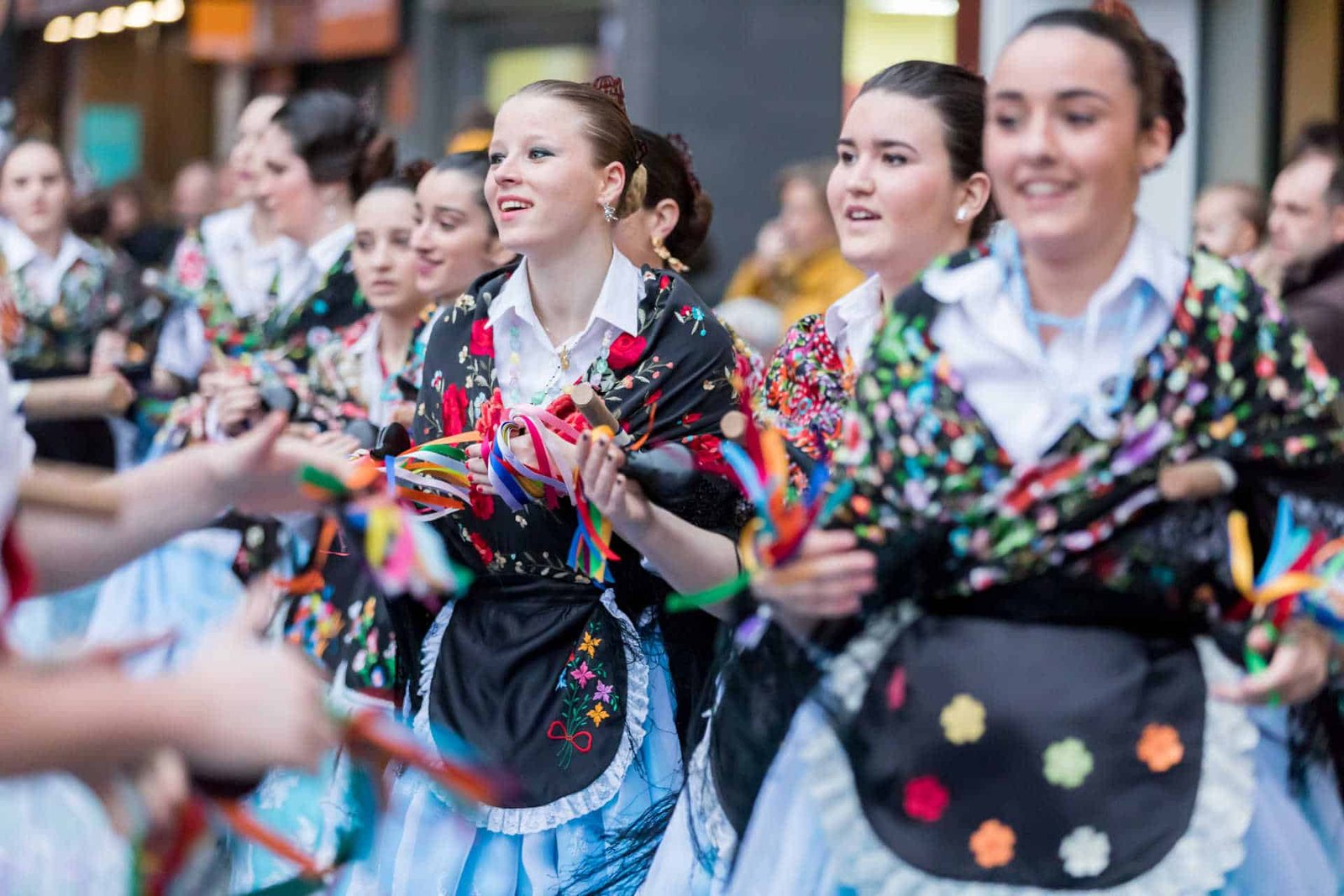
Traditional clothing is an important visual element of Magdalena, particularly during ceremonial events and the floral offering. Participants may wear regional Valencian dress, creating a strong connection between the festival and local cultural identity.
The Gaiatas are arguably the festival’s most distinctive form of festive art. These illuminated monuments require design, construction, decoration and technical lighting work, transforming traditional symbolism into large-scale public art.
Gaiata commissions and local festive groups play a major role in maintaining this tradition. The monuments are not simply decorative objects; they embody the historical memory of Castellón and represent the community groups responsible for creating and presenting them.
Visitors may also encounter artisan markets and other craft-related activities depending on the annual programme. The 2024 official programme, for example, included an artisan market alongside food and themed festival areas.
Traditional Food & Local Specialties
Food is an important part of the Magdalena experience. Gastronomy appears throughout the festival programme through food stalls, tasting areas, communal meals, themed food spaces and local culinary traditions.
One particularly traditional food associated with the pilgrimage is the rollo magdalenero, which has been distributed to participants at the Magdalena hill during the celebrations.
Paella is another prominent part of the local festival experience. Official programmes have included large communal paella activities, reflecting the importance of rice-based cuisine in the region.
Visitors should also look for Valencian specialties such as rice dishes, tapas, local pastries and other regional foods offered by restaurants and temporary festival venues. Food availability varies by programme and location, so the final 2027 programme should be checked for specific participating vendors and gastronomic activities.
Location & Festival Areas
The festival takes place throughout Castellón de la Plana rather than inside a single enclosed venue. This is essential to understanding how Magdalena works: the streets, plazas, historic centre and surrounding festival areas effectively become the event space.
Important locations associated with the celebration include:
- Plaza Mayor
- Ermita de la Magdalena
- Magdalena hill and the surrounding natural area
- Castell Vell
- Streets used for major parades
- Gaiata sectors and neighbourhood areas
- Festival and concert spaces
- Food and market areas
- Areas around major civic and cultural buildings
The Ermita de la Magdalena and Castell Vell are especially significant because of their connection to the origins of the city and the historical story behind the festival.
Because activities are distributed across Castellón, visitors should avoid treating the festival as an event located at one permanent venue. The official programme should be used to identify the exact location of each activity.
Getting to the Festival
Castellón de la Plana is the capital of Castellón province in the Valencian Community and is well connected with other parts of eastern Spain.
By train
Castellón de la Plana railway station provides rail connections with Valencia and other destinations. Train travel can be convenient for visitors arriving from larger cities in the region.
By road
The city can be reached by major road connections from Valencia and other parts of the Valencian Community. Driving can provide flexibility, although festival-period street restrictions and parking limitations should be expected around major processions and public events.
By local transport
Once in Castellón, many festival areas can be reached using local public transport or on foot. Walking is particularly practical for central events because numerous activities take place across the city centre.
For the Magdalena hill
The pilgrimage and activities connected with the Ermita de la Magdalena require particular planning. Visitors should check the official festival programme for access arrangements, pedestrian routes and any temporary transport restrictions.
Where to Stay Nearby
Staying in central Castellón de la Plana is generally the most convenient choice for visitors who want to experience several parts of the festival.
The city centre provides easy access to major public spaces, restaurants, shops and festival activities. It can also reduce the need for a car during busy periods.
Other useful areas include locations around the central railway station and districts with good public transport connections. Accommodation close to the festival areas can become more desirable during the celebration, so early booking is advisable once travel plans are confirmed.
For visitors combining Magdalena with a wider Valencian Community trip, Castellón can also serve as a base for exploring nearby coastal areas and other destinations in the province.
What Visitors Can Participate In
Magdalena is highly participatory rather than being a festival that visitors simply watch from the sidelines.
Visitors can experience the public processions, attend concerts and cultural performances, watch the Gaiatas, participate in the general street atmosphere and visit food or market areas.
The Romería de les Canyes is particularly meaningful for visitors who want to understand the festival’s historical identity. Observing the pilgrimage respectfully, following designated public routes and allowing participants space during ceremonial moments is important.
Visitors can also explore the city on foot between events, visit the historic centre and discover the cultural organizations and neighbourhoods that contribute to the festivities.
Families can usually find children’s activities and entertainment within the wider programme, while visitors interested in music can choose from concerts and performances scheduled across different festival areas.
Things to Do Before or After the Festival
Castellón de la Plana offers several attractions that complement a Magdalena visit.
Castell Vell and the Magdalena hill
The historic hill is essential for understanding the origins of the festival. The Castell Vell and Ermita de la Magdalena form a cultural landscape connected directly with the city’s early history.
Historic city centre
Visitors can explore the central streets, plazas, churches and civic architecture before or after the busiest festival activities.
Fadrí
The Fadrí is the city’s famous historic bell tower and an important landmark in the centre. Festival programmes have also incorporated visits and activities connected with this landmark.
Grau de Castelló
The city’s maritime district provides a different atmosphere, with the Mediterranean coast, harbour surroundings and seafood-oriented dining.
Beaches
Castellón’s coastal areas are useful for travelers wanting to combine cultural sightseeing with a Mediterranean seaside experience.
Local Food & Restaurants
Castellón provides a broad selection of restaurants and casual food establishments, from traditional Valencian cuisine to modern Mediterranean dining.
For a festival-focused trip, visitors should consider trying local rice dishes, paella, tapas, seafood and regional pastries. The Grau district is particularly suitable for travelers interested in seafood and Mediterranean cuisine.
During Magdalena, temporary food areas and themed festival venues can provide additional opportunities to sample local and festival-oriented food. Previous official programmes have included beer and tapas areas, wine-themed spaces, food trucks, artisan markets and other gastronomic locations.
Restaurant availability can become more limited during the busiest festival periods, particularly around major procession routes. Booking ahead is recommended for popular restaurants.
Ticket Information & Access
Fiestas de la Magdalena is primarily a public city festival rather than a single ticketed event. Many of its principal traditional activities, public processions, street celebrations, Gaiata displays and open-air spectacles are accessible without an admission ticket.
The official tourism information describes the festival as a broad public celebration taking place across the city, while recent regional tourism information has specifically highlighted free concerts among the festival’s attractions.
General public festival access: $0 for the main open-air celebrations.
Some individual activities, performances or separately organized events may operate under their own access conditions. If a 2027 programme introduces ticketed concerts or special events, those prices should be checked directly with the organizer before purchase.
Visitors should not assume that every activity has identical access arrangements simply because the wider festival is free. The official programme remains the best source for individual event requirements.
Official Event Information
Fiestas de la Magdalena is promoted by Castellón tourism authorities and listed by Spain’s official tourism portal as a Festival of International Tourist Interest. The official Spain tourism page currently indicates that the 2027 dates are pending confirmation.
Official website: https://www.spain.info/es/agenda/fiestas-magdalena/
Festival tourism contact: informadorturistico@castellonturismo.es
Visitors should check the official tourism information and the Castellón festival programme before traveling, especially for the confirmed 2027 schedule, individual event locations, access conditions and any temporary changes.
Tickets Sell Out
in Minutes
Maps
Video
FAQ's
What is Fiestas de la Magdalena?
Fiestas de la Magdalena is the principal traditional celebration of Castellón de la Plana. It commemorates the historical origins of the city and its movement from the Magdalena hill to the fertile plain. The festival combines processions, Gaiatas, music, gastronomy, traditional ceremonies and pyrotechnic displays.
Why is the Romería de les Canyes important?
The Romería de les Canyes is the central historical tradition of the celebration. Participants carry canes decorated with green ribbons while making the pilgrimage toward the Ermita de la Magdalena. The tradition symbolically recalls the historical movement connected with the foundation of modern Castellón.
What are the Gaiatas?
Gaiatas are illuminated festive monuments that form one of the defining visual traditions of Magdalena. They recall the lanterns associated with the traditional story of the population's movement from the mountain toward the plain. Their presentation and procession are among the festival's most spectacular cultural experiences.
Is Fiestas de la Magdalena free to attend?
The main citywide festival celebrations, public processions and many outdoor activities are generally accessible without admission charges. Some individually organized performances or special activities can have separate conditions. Visitors should consult the official programme for the access requirements of each specific event.
Where can visitors find official information for the 2027 festival?
The official Spain tourism listing provides information about Fiestas de la Magdalena and currently identifies the 2027 schedule as pending confirmation. Visitors should also consult Castellón's official tourism resources before traveling for the final programme, locations, access information and visitor guidance.