




Semana Santa en Zamora Festival 2027 – Spain
Overview
Semana Santa en Zamora Festival 2027 – Spain is one of the most solemn and distinctive Holy Week celebrations in Castilla y León. Known for its austerity, silence, religious devotion and exceptional processional sculpture, the celebration transforms the medieval streets of Zamora into a setting for centuries-old religious traditions.
Zamora’s Holy Week is officially recognized as a Festivity of International Tourist Interest and is also protected as an Asset of Cultural Interest. The official Semana Santa en Zamora website describes it as one of the city’s most deeply rooted popular traditions, where faith, art, history and culture come together.
The celebration is particularly different from many other Spanish Holy Week events because of its atmosphere. While some Spanish cities are known for large crowds, elaborate decoration and dramatic celebrations, Zamora is famous for silence, austerity, darkness, Gregorian chant, funeral-style music and the slow movement of religious images through medieval streets.
Enjoy Your Event Stress-Free with Spain Travelo
Planning a trip around a festival, concert, cultural celebration, or business event in Spain can be time-consuming—finding tickets, accommodation, transportation, and local information takes effort. Spain Travelo makes it easier by bringing essential event information, travel planning, and support together in one place.
The city’s Romanesque churches and historic architecture provide a natural setting for the processions. Zamora has one of the most important concentrations of Romanesque heritage in Spain, making the architectural surroundings an important part of the experience.
More than a religious festival, Semana Santa is an expression of local identity. Brotherhoods, musicians, religious organizations, artists, families and spectators all contribute to keeping the traditions alive.
The official tourism portal of Spain notes that the first documentary references to Zamora’s Holy Week date back to the medieval period. It also highlights the contrast between daytime and nighttime processions, with light and music playing a stronger role during the day and silence and contemplation dominating many nighttime events.
Cultural Significance & Origins
Zamora’s Holy Week has exceptionally deep historical roots. The official Semana Santa en Zamora portal identifies medieval documentation concerning processional traditions, including references to a Palm Sunday procession dating from the twelfth century. Spain’s official tourism information also identifies the first documentary reference to the celebration as dating from the thirteenth century.
The traditions have developed over many centuries through the city’s religious brotherhoods and penitential organizations. These brotherhoods are responsible for maintaining processions, preparing religious images, organizing participants and preserving customs that have been passed from one generation to another.
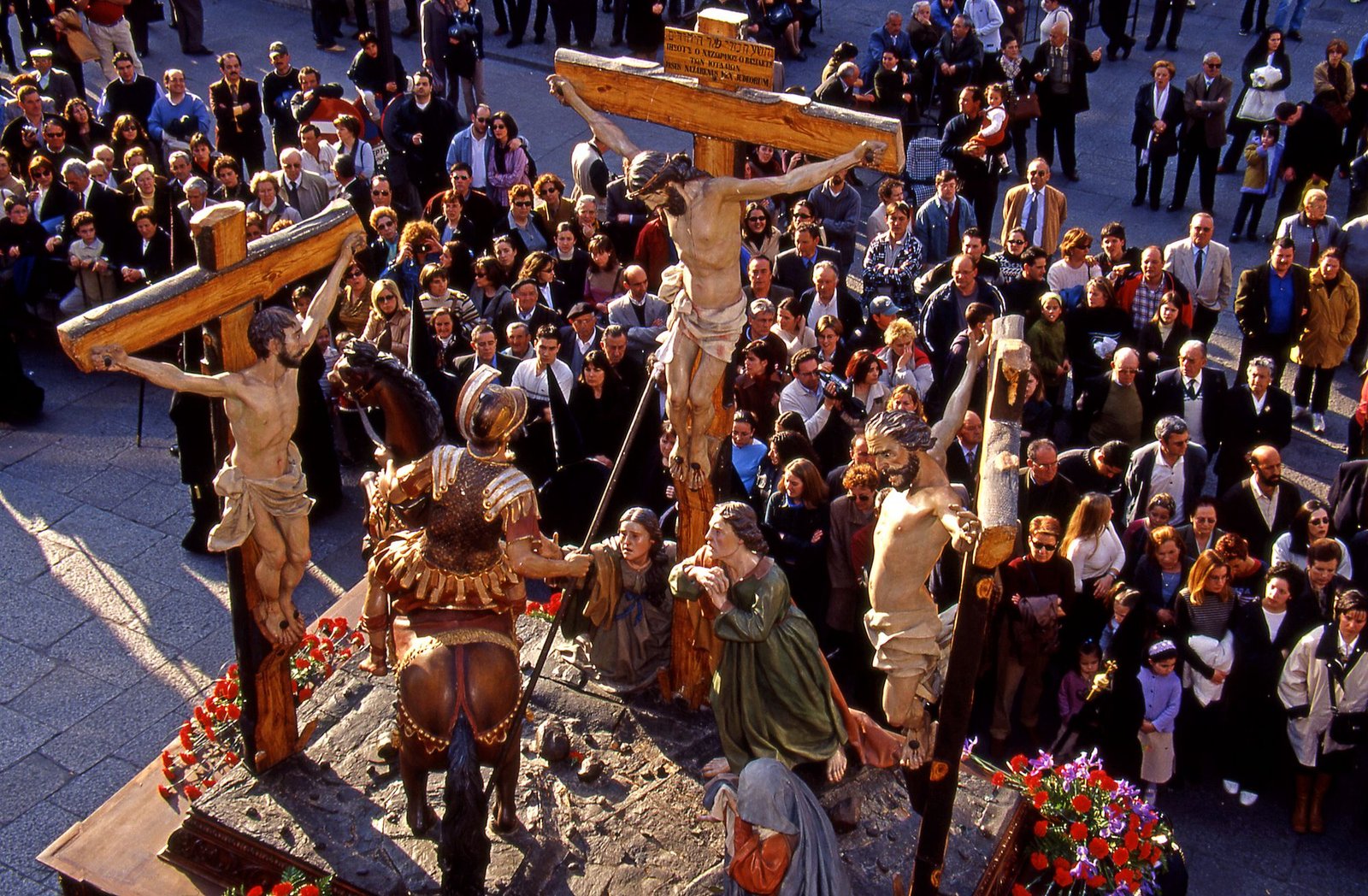
The historical importance of the celebration is reflected in the artistic quality of its pasos, the Spanish term commonly used for the religious structures and images carried during processions. Many are significant works of religious sculpture.
The city itself contributes to the historical character of the event. Zamora’s medieval street plan, Romanesque churches, old walls and historic buildings provide a setting that reinforces the sense of continuity between the present celebration and its historical origins.
The official local tourism portal describes Holy Week as a manifestation in which tradition, faith, art and culture converge. It also notes that the celebration extends beyond the capital into other parts of Zamora province, where different communities maintain their own Passion traditions.
The celebration received an especially important cultural recognition when the Junta de Castilla y León declared Zamora’s Holy Week an Asset of Cultural Interest in 2015. The official local portal notes that this was the first declaration of this kind for a Holy Week celebration in Spain.
Traditions, Rituals & Customs
Silence is one of the defining characteristics of Zamora’s Holy Week. Visitors can experience processions where the normal sounds of an urban environment are replaced by footsteps, bells, drums, chanting and the movement of penitents.
Night processions
The nighttime processions are particularly associated with solemnity and silence. The official tourism information emphasizes the contrast between these processions and the more musical and brightly illuminated daytime celebrations.
Penitential traditions
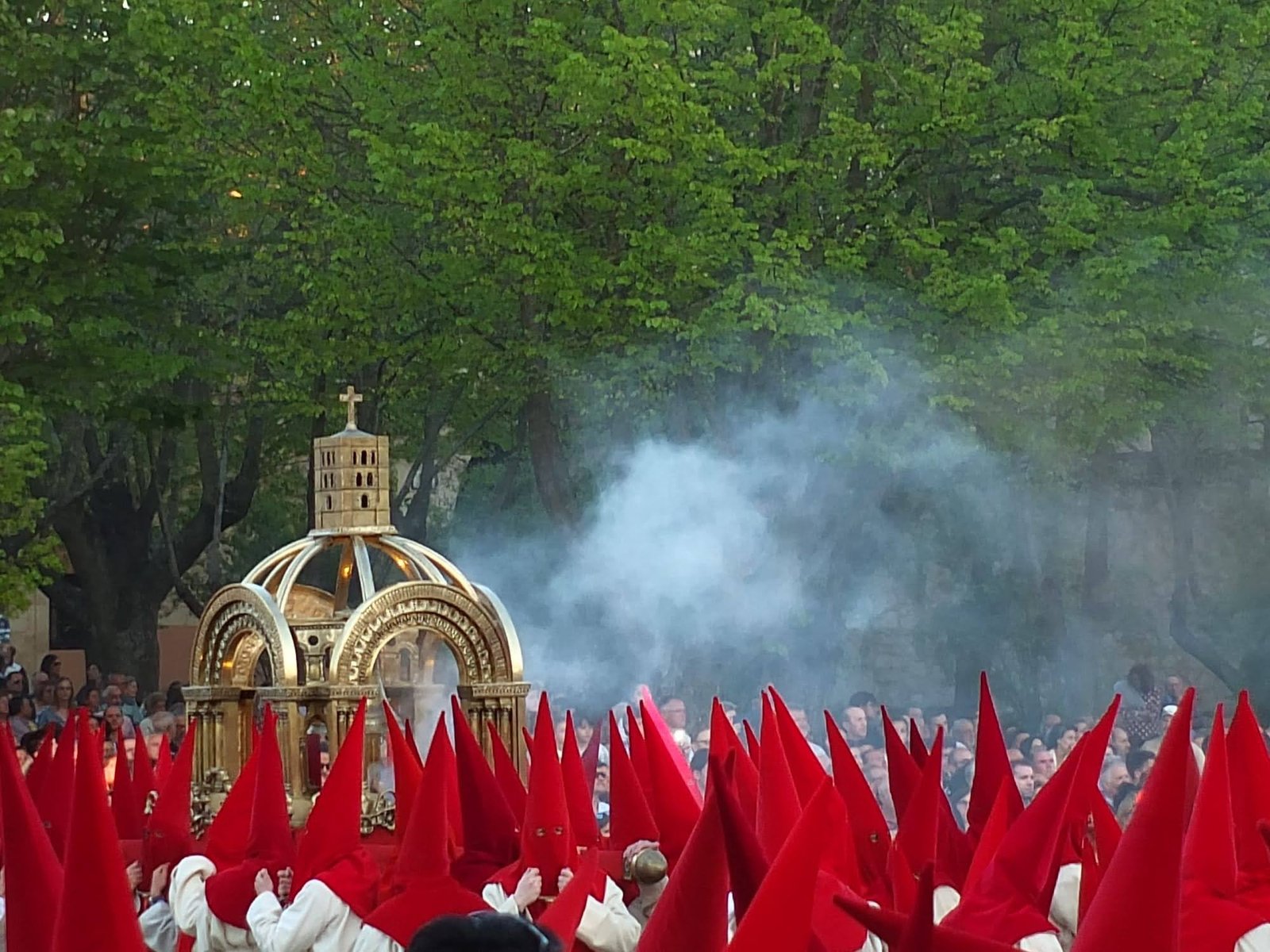
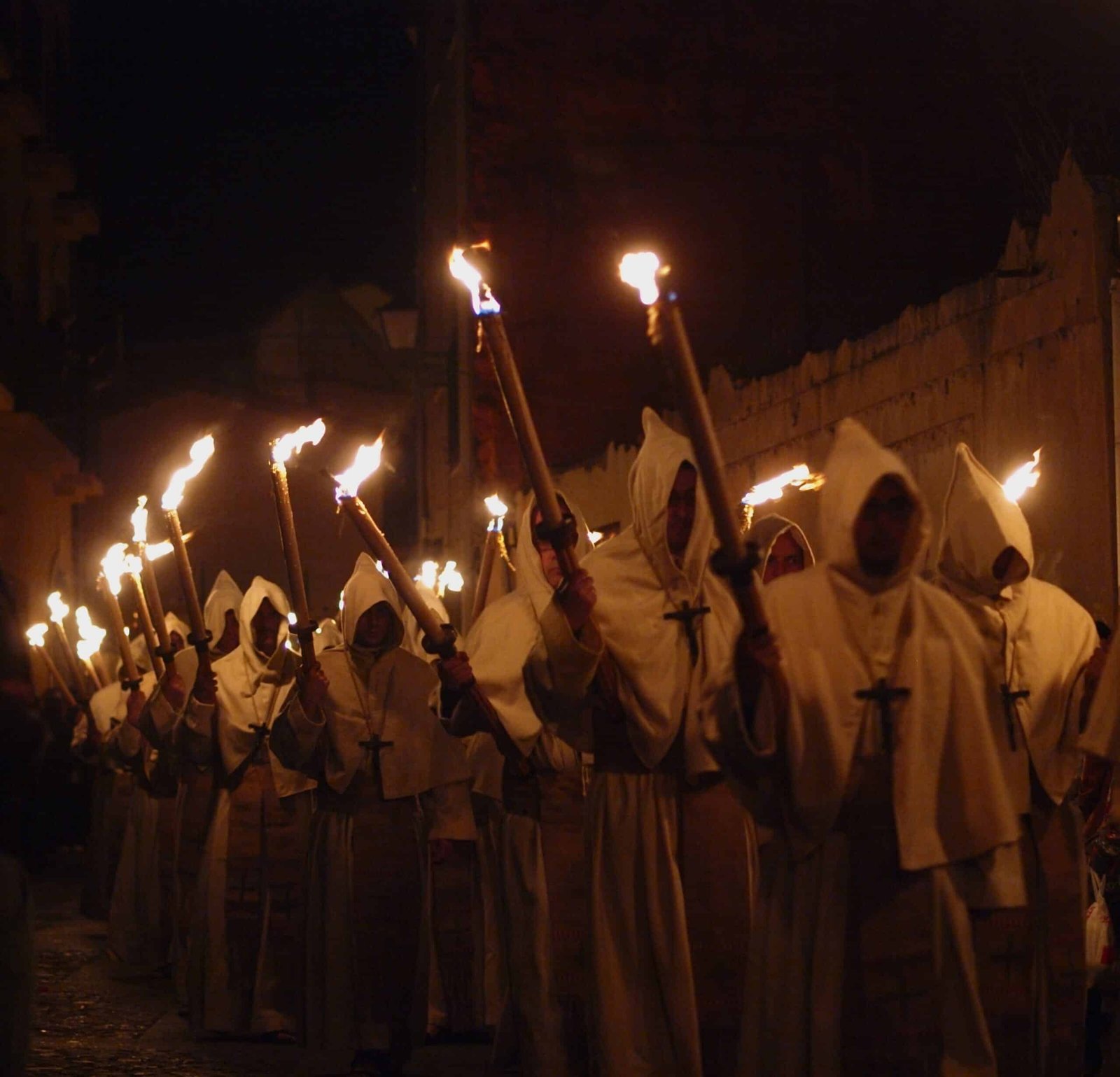
Members of brotherhoods participate in processions according to established religious customs. Robes, hoods, candles and other ceremonial elements contribute to the distinctive appearance of the processions.
Gregorian and choral music
Music has an important role in the celebration. Gregorian chant and choral singing are particularly associated with Zamora and intensify the solemn character of certain processions.
Incense and candles
Incense, candles and torches contribute to the atmosphere, particularly during evening and nighttime processions. The official local portal describes scenes where street lights are turned off and the procession is illuminated by the torches carried by penitents.
Miserere
One of the best-known musical traditions is the singing of the Miserere by the Jesús Yacente brotherhood after midnight during its procession. The tradition is highlighted by Spain’s official tourism information as one of the distinctive experiences of Zamora’s Holy Week.
Processional bells and traditional sounds
Certain brotherhoods use bells, rattles and other traditional sounds to accompany their processions. These sounds can become particularly powerful when combined with the otherwise quiet streets.
What to Expect at the Festival
Visitors should expect a serious and contemplative cultural experience rather than a conventional street festival.
The processions are the centre of the celebration. Religious images are carried through historic streets while penitents, musicians and other members of the brotherhoods follow established routes.
The atmosphere can be extremely quiet. Spectators often remain respectfully silent as a procession approaches, particularly during the nighttime events.
One of the most striking experiences is seeing the processions move through narrow medieval streets surrounded by Romanesque churches and historic buildings.
The artistic quality of the pasos is another major attraction. Visitors interested in sculpture, religious art and Spanish cultural heritage can observe centuries of artistic traditions represented in the processional images.
The official website refers to the people watching from the streets as “cofrades de las aceras,” emphasizing that spectators themselves have become an important part of the tradition.
Visitors should also expect changing atmospheres throughout the celebration. Some processions emphasize silence and penitence, while others include larger crowds, music and more visible public participation.
Respect is particularly important. This is an active religious celebration rather than a staged performance, and visitors should avoid treating solemn ceremonies as ordinary entertainment.
Date & Schedule
Semana Santa en Zamora Festival 2027 is expected in March or April 2027 (Dates TBD).
The exact 2027 dates and detailed procession timetable should be confirmed through the official Semana Santa en Zamora website once the organizers publish the final programme.
The traditional programme follows the Christian Holy Week calendar and includes events associated with Palm Sunday, the days leading toward Easter, the major Passion processions and the celebration of the Resurrection.
The official website publishes detailed procession itineraries for individual brotherhoods, including departure locations, routes and important points along the procession. It also warns visitors that programmes can vary from one edition to another and recommends checking the relevant official brotherhood information.
Visitors planning a trip should therefore use the final official programme rather than relying on a previous year’s timetable.
Visiting this event? Don’t miss out on these amazing activities and local experiences while you’re here.
Main Events & Programme
Zamora has a large number of brotherhoods and penitential organizations, each with its own traditions and processional identity.
Cristo de las Injurias
The Real Hermandad del Santísimo Cristo de las Injurias is associated with one of Zamora’s most famous silent processions. The event includes a gathering around the Cathedral and a solemn oath of silence before the procession begins. Spain’s official tourism portal identifies the Cristo de las Injurias procession as one of the legendary events of Zamora’s Holy Week.
Jesús Yacente
The Jesús Yacente brotherhood is particularly known for its nighttime procession carrying an impressive seventeenth-century image of Christ. Its Miserere, sung after midnight, is one of the most distinctive musical moments of the celebration.
Vera Cruz
The Cofradía de la Vera Cruz is one of Spain’s oldest brotherhoods and has an important place in Zamora’s Holy Week history. Its participation demonstrates the deep historical continuity of the city’s penitential traditions.
La Borriquita
The Real Cofradía de Jesús en su Entrada Triunfal en Jerusalén presents the La Borriquita group, depicting Jesus entering Jerusalem. The official local website notes that it is one of the few processional pasos in Zamora that travels on wheels, helping accommodate a procession involving large numbers of children.
Santísima Resurrección
The Resurrection procession provides a very different atmosphere from the solemn events earlier in Holy Week. The official website describes the traditional Encuentro in Plaza Mayor, where the images of the Risen Christ and the Virgin meet before continuing together.
Traditional Dress, Arts & Crafts
Traditional clothing is an important part of the visual identity of Zamora’s Holy Week.
Members of different brotherhoods wear distinctive habits, robes, hoods, belts and other ceremonial elements according to their organization.
The clothing is not simply decorative. It identifies the brotherhood and forms part of the religious and penitential character of the procession.
Brotherhood habits
Different organizations use different colors and styles. The clothing may include a tunic, hood, belt, cape or other identifying elements.
Processional sculpture
The pasos represent some of the most important artistic elements of the celebration. The sculptures depict scenes and figures connected with the Passion, death and Resurrection of Christ.
Carved religious imagery
Many images have significant historical and artistic value, with examples spanning several centuries. The official local website emphasizes the artistic importance of Zamora’s processional heritage from the medieval period to the present.
Candles and ceremonial objects
Candles, crosses, standards, bells and other objects form part of the visual language of the processions.
Museum heritage
Zamora historically had a dedicated Holy Week museum established to preserve and exhibit the pasos used during the processions. The official website reports that the former museum was created in the twentieth century and was the first museum in Spain specifically dedicated to Passion imagery. A new museum project is being developed following the demolition of the former building.
Traditional Food & Local Specialties
Holy Week provides an excellent opportunity to discover the traditional food culture of Zamora and Castilla y León.
Seasonal religious traditions influence the foods associated with the period, while local gastronomy remains strongly connected to regional agricultural and livestock products.
Zamora-style rice
Arroz a la zamorana is one of the city’s best-known regional dishes. Spain’s official tourism portal lists it among the specialties visitors can try in Zamora.
Cod dishes
Fish and especially cod can feature prominently in traditional Holy Week cooking because of historical meat restrictions associated with religious observance.
Aliste veal
Ternera de Aliste is a recognized regional specialty from Zamora province and is recommended by Spain’s official tourism information.
Zamorano cheese
Queso Zamorano is another important regional product. The province’s tourism information specifically highlights Zamorano cheese among local specialties.
Traditional sweets
Local bakeries offer traditional pastries and sweets that can be particularly appealing during the Easter season.
Visitors can experience the region’s food culture both in traditional restaurants and in smaller bars and establishments around the historic centre.
Location & Festival Areas
The celebration is concentrated primarily in Zamora city, particularly within and around the historic centre.
Historic centre
The medieval centre provides the principal setting for the processions. Narrow streets, old buildings and historic churches create an unusually intimate environment.
Zamora Cathedral
The Cathedral is one of the major landmarks associated with the city’s religious heritage and serves as an important location for several processional traditions.
Plaza Mayor
The main square is an important meeting point and a significant location for processions and ceremonial moments.
Calle Balborraz
This historic street is one of the best-known streets in Zamora and forms part of the city’s traditional urban character.
Puente de Piedra
The historic stone bridge crossing the Duero is another important landmark and appears on some processional routes.
Romanesque churches
Zamora’s numerous Romanesque churches form an essential part of the visual and historical setting. The official tourism portal describes the city as being particularly famous for its Romanesque heritage.
Getting to the Festival
Zamora is located in Castilla y León in northwestern inland Spain and can be reached from major Spanish cities by road and rail.
By train
Rail is one of the most practical options for reaching Zamora from other Spanish cities. Zamora has railway connections with major destinations and can serve as a base for exploring the region.
By car
The city is accessible by road and forms part of the historic Vía de la Plata route. Driving provides flexibility for visitors who want to explore other destinations in Zamora province.
By bus
Long-distance and regional bus services connect Zamora with surrounding cities and towns.
From Madrid
Visitors arriving internationally through Madrid can continue toward Zamora by rail, bus or car.
From Salamanca
Salamanca is relatively close and can be combined with Zamora in a wider Castilla y León itinerary.
Because the historic centre becomes heavily pedestrianized and busy during major processions, visitors arriving by car should plan to leave their vehicle outside the most restricted areas.
Where to Stay Nearby
The best place to stay depends on whether the priority is immediate access to the processions or a quieter atmosphere.
Historic centre
Staying in the historic centre provides the greatest convenience for visitors who want to watch several processions on foot.
Near Plaza Mayor
Accommodation around the central square offers excellent access to major pedestrian routes and historic attractions.
Railway station area
This area can be useful for visitors arriving by train or planning excursions outside Zamora.
Modern city centre
The newer central areas provide additional hotels and restaurants while remaining within walking distance of the historic district.
Outside central Zamora
Visitors with a car can also consider accommodation outside the historic core, particularly if they want easier parking and a quieter overnight environment.
Holy Week is one of Zamora’s most important tourism periods, so accommodation can become limited. Booking well ahead is recommended.
What Visitors Can Participate In
Visitors can experience the celebration in several ways without becoming members of a religious brotherhood.
Watch the processions
The simplest way to participate is to stand along the official procession routes and observe the pasos, penitents and musicians.
Visit churches
Many of Zamora’s churches provide important context for understanding the brotherhoods and their religious traditions.
Attend religious ceremonies
Visitors who wish to engage more deeply with the religious character of the event can attend appropriate public religious services.
Explore the processional heritage
Learning about the brotherhoods, sculptures and historical traditions can make the processions much more meaningful.
Experience local music
Gregorian chant, choral singing, processional music and traditional sounds are an important part of the atmosphere.
Taste local cuisine
Trying regional dishes and seasonal specialties provides another way to experience Zamora’s cultural identity.
Visitors should remember that public participation is based on respect and observation rather than treating the processions as conventional entertainment.
Things to Do Before or After the Festival
Zamora has a rich historical heritage that makes it worthwhile to extend a visit beyond the Holy Week celebrations.
Zamora Cathedral
The Cathedral is one of the city’s most important landmarks and is particularly notable for its Romanesque architecture and distinctive dome.
Zamora Castle
The castle provides insight into the city’s medieval history and offers views across the surrounding area.
City walls
Zamora’s historic fortifications reflect its strategic medieval importance.
Romanesque churches
The city contains an exceptional collection of Romanesque churches, making architectural exploration one of the best activities for visitors.
Puente de Piedra
The historic stone bridge crossing the Duero is an important landmark and a scenic place to explore.
Calle Balborraz
This historic street provides an atmospheric route through the old city.
Duero River
The river landscape offers a quieter contrast to the busy historic centre and provides opportunities for walking and photography.
Toro
The nearby town of Toro is another important destination in Zamora province, with its own historic and religious heritage.
Sanabria
Visitors with more time can explore the province’s natural landscapes, including the Sanabria area and its famous lake.
Spain’s official tourism information recommends Zamora for its Romanesque architecture, medieval heritage and connections with the Vía de la Plata.
Local Food & Restaurants
Zamora’s food scene is closely connected with the cuisine of Castilla y León.
The historic centre is the most convenient place for visitors because many restaurants and traditional bars are within walking distance of the main procession areas.
Tapas around Calle Herreros
Spain’s official tourism portal specifically recommends the area around Calle Herreros for experiencing local customs, where regional wines can be served with traditional pork-based tapas.
Zamora-style rice
This hearty regional dish is one of the city’s best-known culinary specialties.
Regional cheeses
Zamorano cheese is an important local product and can be found in restaurants, specialist shops and food markets.
Aliste veal
Visitors interested in regional meat can look for dishes prepared with Ternera de Aliste.
Regional wines
The province is associated with several wine denominations, including Toro, Arribes and Tierra del Vino.
Restaurants can become busy when processions attract large numbers of visitors, so reservations are advisable for popular establishments.
Ticket Information & Access
The main Holy Week processions are public religious celebrations held through the streets of Zamora, rather than a conventional ticketed festival.
Visitors can generally watch processions from public streets without purchasing a general festival admission ticket.
Street viewing
Public viewing along procession routes is the main way visitors experience the celebration.
Church access
Access to individual churches depends on their normal opening arrangements and the religious services taking place.
Procession routes
Official itineraries are published for the different brotherhoods. These provide the most useful information for selecting a viewing location.
Crowd considerations
Popular streets and squares can become very crowded. Visitors should arrive early when they want a particular viewing position and should follow instructions from organizers and local authorities.
There is no general festival ticket price to convert into USD because the main public processions are not operated as a standard paid-entry event.
Official Event Information
The official event website is: https://www.semanasantaenzamora.es/
The website is a project promoted by the Patronato de Turismo de la Diputación de Zamora with support from the Junta de Castilla y León. It provides information about Holy Week traditions in Zamora city and across the province.
The official website includes information about individual brotherhoods, procession itineraries, historic traditions, locations and cultural heritage.
Tickets Sell Out
in Minutes
Maps
Video
FAQ's
What makes Holy Week in Zamora different from other Spanish Easter celebrations?
Zamora is particularly known for its austerity, silence, solemnity and medieval setting rather than a highly theatrical atmosphere. Gregorian chant, nighttime processions, candles, incense and the careful movement of historic religious sculptures create an experience strongly centered on contemplation and religious tradition.
Can visitors watch the Zamora Holy Week processions for free?
The main processions take place through public streets, so visitors do not normally need a general admission ticket to watch them. The most important consideration is choosing an appropriate public viewing position, respecting the religious character of the ceremonies and following any crowd-control instructions issued by organizers or local authorities.
What are the most important traditions to see in Zamora?
The Cristo de las Injurias procession, the Jesús Yacente procession and its Miserere, the Vera Cruz traditions and the Resurrection celebrations are among the most distinctive experiences. Visitors should also look for the contrast between the quiet nighttime processions and the more musical daytime ceremonies highlighted by official tourism sources.
What food should visitors try in Zamora?
Visitors can explore regional specialties including arroz a la zamorana, Zamorano cheese and Ternera de Aliste, while traditional tapas and regional wines are also important parts of the local food culture. During Holy Week, visitors can additionally look for seasonal dishes and sweets associated with religious traditions in Castilla y León.
Where should visitors stay for Zamora's Holy Week?
The historic centre is the most convenient area because many processions pass through central streets and important squares. Visitors who prefer easier parking can stay farther from the old town and use local transport or walk toward the procession areas, but accommodation should be arranged early because Holy Week is one of Zamora's major tourism periods.