Feria de Málaga Festival 2027 – Spain
Overview
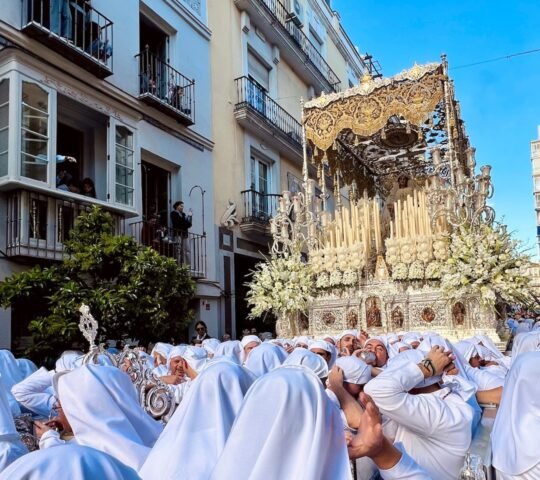
Feria de Málaga is one of the most important traditional celebrations in Andalusia, bringing together music, dance, gastronomy, horses, traditional costumes, street entertainment, fireworks and local customs across Málaga. The celebration is closely connected with the cultural identity of the city and combines a daytime fair in the historic center with a large fairground celebration at the Real de Cortijo de Torres. Spain’s official tourism portal describes the event as a commemoration of the city’s historic reconquest and highlights its concerts, competitions, performances, fireworks and other festivities.
Rather than taking place in a single enclosed venue, Feria de Málaga spreads through several important parts of the city. The historic center becomes a major daytime celebration area, while the Real de Cortijo de Torres provides the principal fairground environment, with casetas, attractions, food stalls, entertainment and cultural activities.
The festival is particularly notable for its combination of traditional Andalusian culture and a lively contemporary fair atmosphere. Visitors can encounter flamenco-influenced performances, sevillanas, traditional music, decorated streets, horses and carriages, regional food and large public celebrations.
Enjoy Your Event Stress-Free with Spain Travelo
Planning a trip around a festival, concert, cultural celebration, or business event in Spain can be time-consuming—finding tickets, accommodation, transportation, and local information takes effort. Spain Travelo makes it easier by bringing essential event information, travel planning, and support together in one place.
The event also has a strong community character. Local associations, cultural groups, caseta organizers, performers and municipal services all contribute to creating a festival that is experienced throughout the city rather than inside one conventional event venue.
For travelers, Feria de Málaga provides an opportunity to experience Málaga through its local traditions, music, food and public celebrations while also exploring one of Spain’s major Mediterranean cities.
Cultural Significance & Origins
The cultural identity of Feria de Málaga is closely connected with the history of the city. Spain’s official tourism portal explains that the celebration commemorates Málaga’s capture by the Catholic Monarchs. This historical connection gives the festival a civic and commemorative character in addition to its entertainment programme.
Over time, the celebration developed into a major public fair incorporating Málaga’s local customs, music, gastronomy and social traditions. What visitors experience today is therefore a combination of historical commemoration and Andalusian festive culture.
One of the most distinctive characteristics is the coexistence of two different atmospheres. The Feria del Centro brings celebrations into the historic heart of Málaga, where streets and squares become gathering places for music, dancing and social activity. The Real de Cortijo de Torres provides a much larger fairground environment with casetas, attractions, food outlets and entertainment.
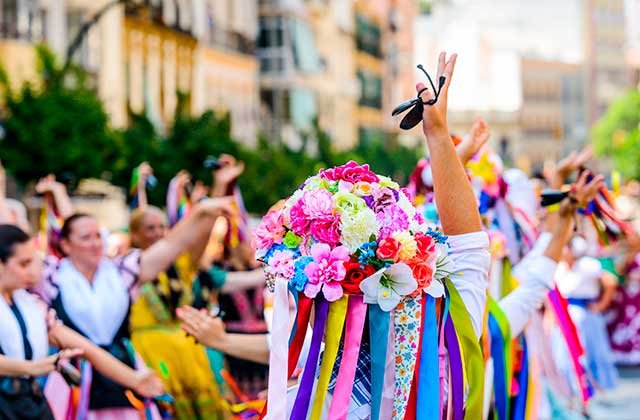
The festival also provides a platform for local cultural traditions. Verdiales music, traditional Andalusian dance, horse culture and regional dress all form part of the wider cultural programme.
This mixture of civic history and living traditions makes Feria de Málaga more than a commercial fair. It is a major expression of Málaga’s local identity and an important occasion for residents to celebrate together.
Traditions, Rituals & Customs
Feria de Málaga contains numerous customs that help distinguish it from a conventional city festival.
Feria del Centro
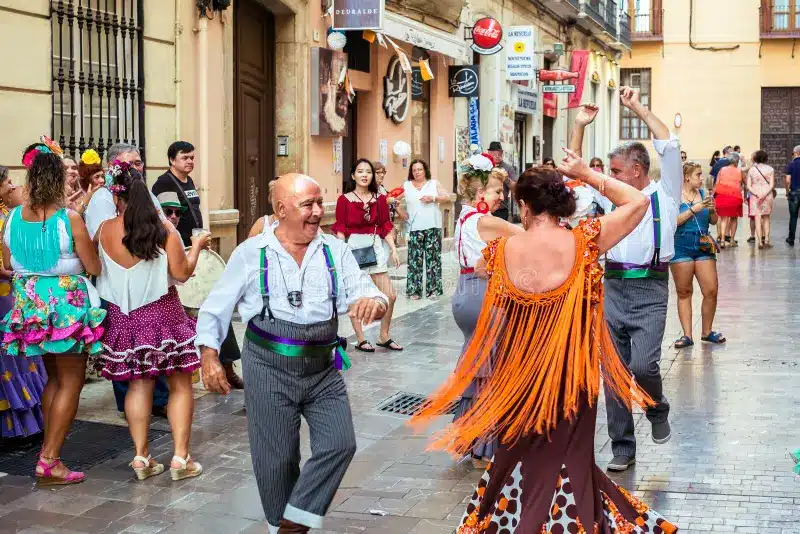
The city center becomes an important public celebration area where visitors can encounter music, dancing and traditional festive activities in streets and squares. This is one of the easiest parts of the festival for visitors to experience because it integrates directly with Málaga’s historic urban environment.
Real de Cortijo de Torres
The main fairground at Cortijo de Torres contains numerous casetas and temporary installations. The municipality organizes a substantial programme of entertainment and public services here, making the Real one of the principal destinations for festival visitors.
Verdiales
Verdiales is an important musical tradition associated with Málaga and the surrounding province. During the fair, pandas de verdiales perform in festival spaces, giving visitors an opportunity to hear one of the region’s distinctive forms of traditional music. Municipal festival programmes have included performances representing different Verdiales styles.
Horses and Carriages
Horse culture is another recognizable element of the celebration. The fair programme incorporates equestrian activities and the Paseo de Caballos y Enganches, connecting the modern fair with traditional Andalusian horsemanship and carriage culture.
Casetas
Casetas are central to the social character of the fair. These temporary or semi-permanent festival spaces can host music, dancing, food and drinks, creating informal environments for socializing and celebrating.
What to Expect at the Festival
Visitors can expect Málaga to become considerably more animated during the celebration. The festival atmosphere extends from the historic center to the dedicated fairground, creating two complementary experiences.
The city-center celebration is especially suitable for travelers who want to combine sightseeing with traditional festivities. Streets and public spaces become gathering points for music, dancing, performances and local food.
At the Real de Cortijo de Torres, the experience becomes more like a traditional large-scale Spanish fair. Visitors can find casetas, amusement attractions, food and drink outlets, entertainment and family activities.
Music is one of the most important elements. Programmes can include popular performers alongside Málaga-based artists and traditional groups. The municipal authorities have also emphasized free public performances across the different festival stages.
Visitors should also expect crowds, especially around major performances, popular casetas and central public spaces. Comfortable footwear is recommended because exploring the festival often involves considerable walking.
The atmosphere changes throughout the day. Daytime activities can feel strongly connected to local traditions, while evening celebrations at the Real become more energetic and entertainment-focused.
Date & Schedule
Festival Dates: August 2027 (Dates TBD)
The 2027 dates are currently listed by Spain’s official tourism portal as pending confirmation.
The festival programme is expected to combine activities in the historic center with events at the Real de Cortijo de Torres. The detailed 2027 schedule, including individual performances, parades, concerts, caseta programmes and special activities, should be checked once the official programme is published by Málaga City Council.
Visiting this event? Don’t miss out on these amazing activities and local experiences while you’re here.
Main Events & Programme
Feria de Málaga offers a broad programme rather than a single headline event. The exact programme varies, but several major components traditionally form the core of the celebration.
Opening Celebrations
The festival begins with official opening activities and public celebrations that introduce the programme. Spain’s tourism authority identifies the official opening speech as an important part of the festivities, traditionally associated with La Malagueta and the wider city celebration.
Feria del Centro
The historic center hosts a major daytime component of the celebration. Visitors can experience music, dancing, performances and social gatherings while exploring central Málaga.
Real de Cortijo de Torres
The Real is the main fairground area and contains numerous casetas and temporary installations. It offers a broad programme suitable for families, groups and visitors looking for the classic Spanish feria atmosphere.
Live Music
Concerts and performances are presented across different stages. Municipal programmes have included established Spanish performers, local Málaga artists and groups representing different musical styles. Many of the public performances are offered without general admission charges.
Verdiales Performances
Traditional pandas de verdiales bring Málaga’s distinctive folk music into the festival programme. Performances can take place both in the city center and around the fairground.
Horse and Carriage Activities
The Paseo de Caballos y Enganches provides a particularly visual part of the festival, showcasing horses, riders and traditional carriages within the fair environment.
Fireworks
Fireworks form part of the opening atmosphere and are associated with the celebration around Málaga’s waterfront and harbor area. Spain’s official tourism information specifically identifies the port as one of the locations used for fireworks.
Traditional Dress, Arts & Crafts
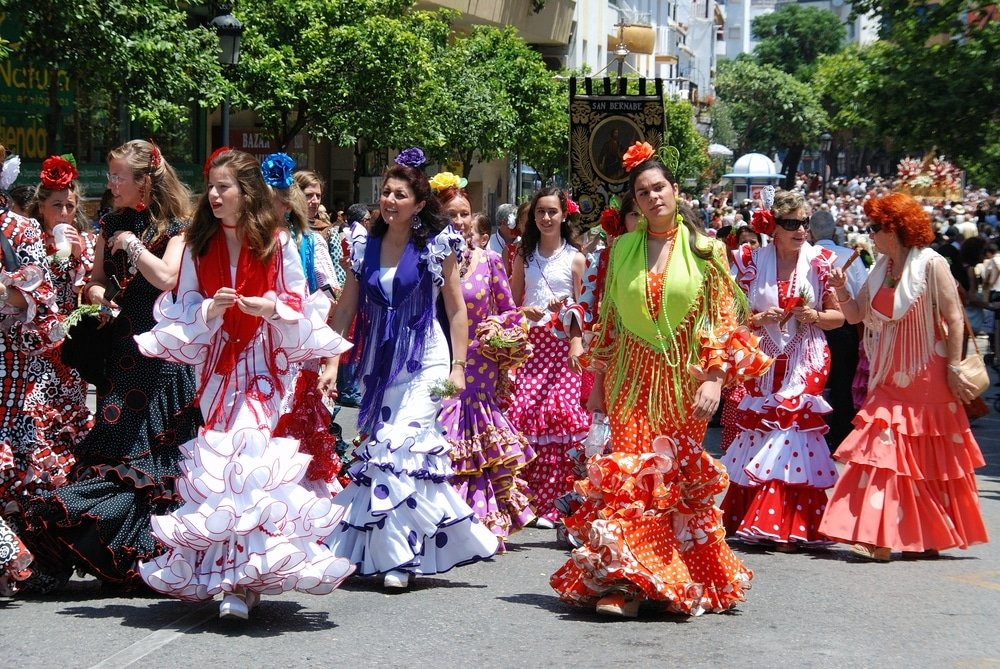
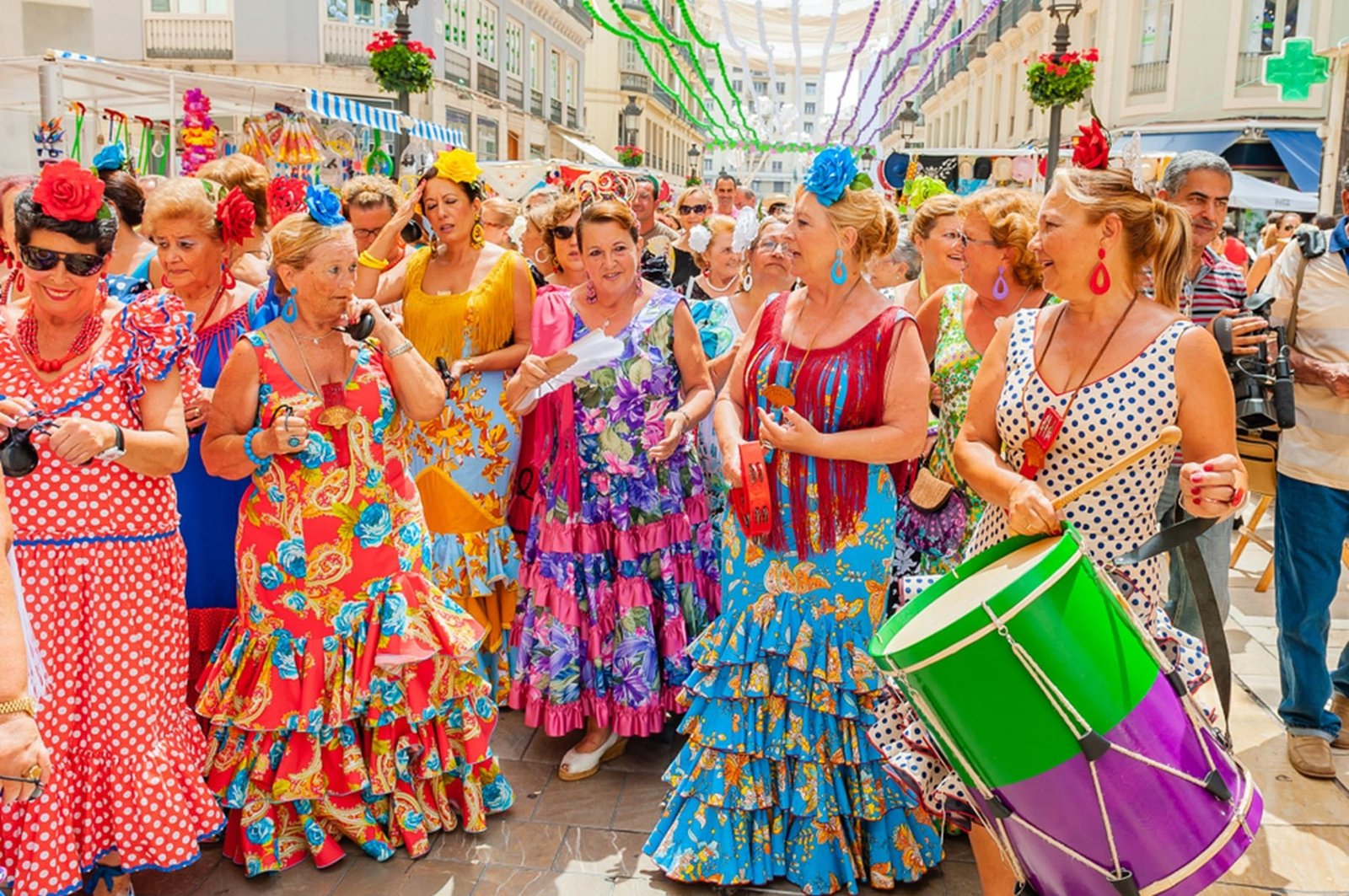
Traditional clothing is an important part of the visual character of Feria de Málaga. Visitors may see women wearing colorful Andalusian dresses and men dressed in traditional feria or equestrian clothing.
Flamenco-style dresses, shawls, flowers and decorative accessories contribute to the distinctive appearance of the celebration. Traditional clothing is particularly visible during daytime celebrations, parades and horse-related activities.
The artistic character of the festival is also visible in the decoration of casetas and public spaces. Temporary structures, banners, floral decorations and traditional motifs help create a recognizable feria environment.
Music is another important part of the cultural heritage. Verdiales groups use traditional instruments and performance styles associated with the Málaga region. Their presence gives the celebration a strong connection to local folk traditions rather than relying entirely on modern commercial entertainment.
The horses and carriages are also part of the festival’s cultural presentation. Their presence reflects Andalusia’s longstanding equestrian traditions and adds a distinctive visual dimension to the fair.
Traditional Food & Local Specialties
Food plays a major role in the social experience of Feria de Málaga. Casetas and food establishments provide opportunities to sample Andalusian dishes while enjoying music and entertainment.
Traditional options visitors may encounter include tapas, fried fish, grilled meats, cured products, cheese, olives and regional snacks. Málaga’s Mediterranean location also makes seafood an important part of the local food culture.
Espetos de Sardinas
Málaga is famous for espetos de sardinas, sardines traditionally cooked over an open wood fire. They are strongly associated with the city’s coastal culinary identity and are worth seeking out during a wider visit.
Porra Antequerana
This cold tomato-based dish is a traditional Málaga-area specialty. It is especially suitable for warm weather and can commonly be served with toppings such as egg, tuna or other local ingredients.
Fritura Malagueña
Mixed fried fish is another local specialty associated with Málaga’s Mediterranean food culture. It can include several varieties of small fish and seafood.
Local Wines
Málaga has an established wine-producing tradition, including sweet wines and other regional varieties. Visitors can encounter local wines in restaurants and selected festival establishments.
Location & Festival Areas
Feria de Málaga is a city-wide celebration with two principal festival environments.
Historic Center
The central Málaga area hosts the Feria del Centro, where public streets, plazas and cultural spaces become part of the festival. Spain’s official tourism portal identifies the park and Plaza de la Marina among the locations used for concerts and other activities.
Real de Cortijo de Torres
The main fairground is located at Cortijo de Torres and contains the largest concentration of casetas, attractions, food outlets and entertainment installations. The Málaga City Council publishes dedicated festival maps and caseta information for this area.
La Malagueta
La Malagueta is another important festival location, particularly for official opening activities and the bullfighting programme associated with the wider celebration.
Port and Waterfront
The port and waterfront areas are used for selected public events, including fireworks and other celebrations.
Because the festival is distributed across Málaga, visitors should check the official programme rather than assuming that every activity takes place at the main fairground.
Getting to the Festival
Málaga is one of Andalusia’s best-connected cities and can be reached by air, rail, road and public transportation.
Málaga-Costa del Sol Airport provides extensive domestic and international connections. From the airport, visitors can reach the city using rail, bus, taxi and other local transport options.
Málaga María Zambrano railway station provides connections with other major Spanish cities. From the station, visitors can continue toward the historic center and other festival areas using local transportation.
Public transportation is particularly useful during the fair. Málaga City Council has historically implemented special mobility arrangements, including additional bus services connecting the city center and the Real de Cortijo de Torres. Municipal authorities specifically recommend using public transport for journeys to the center and the fairground.
Visitors should avoid relying heavily on private cars because temporary traffic restrictions and increased demand for parking can make driving less convenient.
Where to Stay Nearby
Staying in Málaga city center is generally the most convenient option for visitors who want to experience both the historic-center festivities and the city’s major attractions.
Historic Center
This is a strong choice for visitors who want to walk to central festival areas, restaurants, museums and major tourist attractions.
Soho Málaga
The Soho district is close to the center and offers a range of accommodation, restaurants, cafés and cultural venues.
Málaga María Zambrano Area
Staying near the main railway station can be practical for travelers arriving by train and provides good connections with other parts of the city.
La Malagueta
Accommodation around La Malagueta offers proximity to the waterfront, beach and central festival locations.
Near Cortijo de Torres
This can be convenient for visitors primarily interested in the fairground, although availability may be more limited and the area is less central for general sightseeing.
For the broadest festival experience, staying somewhere with easy public-transport access is often more useful than choosing accommodation solely on walking distance to the Real.
What Visitors Can Participate In
Many parts of Feria de Málaga are designed for public participation rather than passive observation.
Visitors can:
- Explore the Feria del Centro.
- Visit public festival stages and watch live performances.
- Explore the casetas at the Real.
- Listen to traditional Verdiales music.
- Experience Andalusian dancing and music.
- Watch horse and carriage activities.
- Sample Málaga and Andalusian food.
- Visit local attractions between festival activities.
- Enjoy public fireworks displays.
- Explore the fairground attractions.
- Dress in traditional-inspired Andalusian feria clothing if they wish.
Visitors should distinguish between general public areas and individual casetas because entry arrangements can vary between establishments.
The municipal programme also includes family-oriented activities and attractions, making the fair suitable for different age groups. Official municipal information has highlighted a large number of public performances and entertainment options across the festival spaces.
Things to Do Before or After the Festival
Málaga is a strong destination for extending a festival visit into a broader cultural holiday.
Alcazaba of Málaga
The Alcazaba is one of the city’s most important historic monuments and offers an excellent introduction to Málaga’s architectural heritage.
Roman Theatre
Located near the Alcazaba, the Roman Theatre provides another opportunity to explore the city’s ancient history.
Picasso Museum Málaga
Málaga is the birthplace of Pablo Picasso, and the Picasso Museum provides an important cultural attraction for visitors interested in art.
Málaga Cathedral
The cathedral is one of the city’s most recognizable landmarks and an important part of the historic center.
Gibralfaro Castle
Castillo de Gibralfaro offers elevated views over Málaga, the port and the Mediterranean.
Málaga Beaches
The city’s coastline provides an easy way to combine cultural sightseeing with time by the Mediterranean.
Muelle Uno
The waterfront shopping and dining district offers restaurants, cafés, shops and views over the harbor.
Local Food & Restaurants
Málaga has a diverse restaurant scene ranging from traditional Andalusian establishments to contemporary Mediterranean restaurants.
Visitors interested in authentic local cuisine should look for restaurants serving Málaga specialties such as espetos de sardinas, fritura malagueña, porra antequerana and other Andalusian dishes.
The historic center is particularly useful for visitors because it offers a large concentration of restaurants, tapas bars and cafés within walking distance of major cultural attractions.
The waterfront provides another popular dining environment, especially for seafood and Mediterranean cuisine.
During Feria de Málaga, festival casetas also become important places for eating and socializing. Individual menus vary, so visitors interested in particular dishes should check the current offerings directly at each venue.
For a more traditional experience, visitors can combine a meal with local wine, Andalusian tapas and live or recorded traditional music.
Ticket Information & Access
Feria de Málaga does not operate as one conventional ticketed festival with a single admission fee. Many of the major public celebrations, concerts and outdoor activities can be accessed free of charge.
Málaga City Council has specifically described the festival programme as offering numerous performances with free admission, making the event accessible to visitors without purchasing a general festival pass.
The fairground itself contains different types of attractions and commercial installations. Amusement rides, food, drinks and certain private or independently operated activities can have their own charges.
Casetas may also operate differently depending on the organization running them. Some are associated with public institutions or community organizations, while others have their own access policies.
Therefore, visitors should not expect one ticket to cover every activity. Public festival areas can generally be enjoyed without a general admission charge, while individual attractions and commercial services should be budgeted separately.
The official programme should be checked for any special events that require reservations or individual tickets.
Official Event Information
Official Website: https://www.spain.info/en/calendar/fair-malaga/
Málaga Tourism Website: https://www.malagaturismo.com/
Email: info@malagaturismo.com
Tel.: +34 951926020
Tel.: +34 952219482
The official Spain tourism portal identifies Málaga Fair as a major city celebration featuring activities at the Real, events in the historic center, concerts, fireworks and other cultural activities.
The Málaga City Council also maintains an official Feria de Málaga information area containing programme information, caseta listings, maps, mobility information and municipal announcements.
Visitors should use these official sources for the final programme, individual event locations, transportation arrangements, caseta information and access conditions.
Tickets Sell Out
in Minutes
Maps
Video
FAQ's
What is Feria de Málaga known for?
Feria de Málaga is known for its combination of Andalusian traditions, music, dancing, horses, traditional dress, food and large public celebrations. The event spreads between the historic center and the Real de Cortijo de Torres, giving visitors two distinct festival environments.
Is Feria de Málaga free to attend?
Many of the main public celebrations and performances can be enjoyed without a general admission ticket. Individual attractions, food, drinks and some privately operated casetas or activities may have their own charges, so visitors should check the specific activity before entering.
Where does Feria de Málaga take place?
The festival is distributed across Málaga, with the historic center and the Real de Cortijo de Torres serving as the principal areas. Additional activities can take place around La Malagueta, the port, Plaza de la Marina, parks and other city locations.
What traditional food should visitors try in Málaga?
Visitors should look for local specialties including espetos de sardinas, fritura malagueña and porra antequerana. Festival casetas and restaurants also provide opportunities to sample tapas, seafood, grilled foods, local products and regional wines.
How should visitors travel around Feria de Málaga?
Public transportation is generally the most practical option because the festival creates increased traffic and temporary road restrictions. Málaga City Council provides special transport arrangements connecting the city center with the Real and recommends public transport for festival journeys.