

Saló de l’Ensenyament 2027 – Barcelona, Spain
What to expect
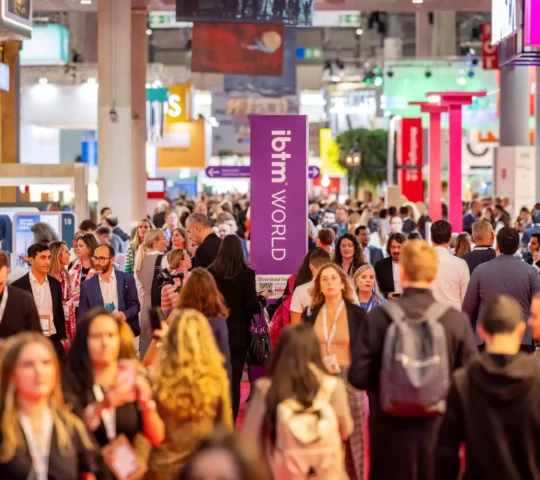
Saló de l’Ensenyament is one of Spain’s major education and academic guidance fairs, bringing universities, vocational training centres, language schools, educational institutions, public bodies and other training providers together with students, families and teachers. The event is designed to help visitors compare study options, understand admission routes and receive practical guidance before choosing an academic or professional pathway. The official organizer describes it as a major face-to-face platform for educational and professional information and orientation, with the latest edition attracting more than 100,000 students, families and teachers and more than 230 exhibitors.
Visitors can investigate university degrees, higher education, vocational training, secondary and post-secondary options, artistic and sports education, languages, complementary studies and education-related services. The official E-Catalogue allows visitors to filter participating centres by study type and vocational-training family, making it easier to identify institutions that match their interests before arriving.
Academic orientation
Enjoy Your Event Stress-Free with Spain Travelo
Planning a trip around a festival, concert, cultural celebration, or business event in Spain can be time-consuming—finding tickets, accommodation, transportation, and local information takes effort. Spain Travelo makes it easier by bringing essential event information, travel planning, and support together in one place.
A major strength of Saló de l’Ensenyament is its emphasis on personal guidance rather than simply displaying educational institutions. Visitors can receive help with choosing studies, understanding access routes, comparing programmes, considering career options and finding information about scholarships and admission procedures. Previous programmes have included individual counselling, guided visits, family workshops, student talks and specialist information services.
Practical discovery
The exhibition is particularly useful for students approaching major educational decisions. Instead of visiting numerous institutions separately, attendees can compare alternatives in one location, speak directly with representatives and collect information about entry requirements, course structures, career prospects and further study.
Event dates
Saló de l’Ensenyament 2027 will take place from 10 to 14 March 2027 at Recinte Montjuïc in Barcelona, Spain. The official event website confirms the dates and venue for the upcoming edition.
The organizer has announced the event as part of its wider education-focused programme at Fira de Barcelona. Visitors should check the official website before travelling because individual activity registration, visitor sessions and programme details can be updated as the event approaches.
Event: Saló de l’Ensenyament 2027
Dates: 10–14 March 2027
Venue: Recinte Montjuïc, Fira de Barcelona
City: Barcelona, Spain
Telephone: +34 932 33 20 00
Email: ensenyament@firabcn.es
Visiting this event? Don’t miss out on these amazing activities and local experiences while you’re here.
Venue & exhibition site
Saló de l’Ensenyament is held at Fira de Barcelona’s Montjuïc venue, one of Barcelona’s historic exhibition complexes. The official Fira Barcelona information lists the venue at Av. Reina Maria Cristina, s/n, 08004 Barcelona. The site is located beside Plaça d’Espanya and occupies a central urban position with extensive public transport connections.
The Montjuïc complex has approximately 153,000 square metres of gross exhibition space, seven historic exhibition palaces and around 1,900 nearby parking spaces. Its central location makes it practical for visitors staying in central Barcelona as well as those arriving from outside the city.
For Saló de l’Ensenyament, the principal exhibition area has traditionally used Palaces 1 and 2, together with Plaça de l’Univers for additional activities. The organizer’s educational programming has placed university-related information prominently in Palace 1 and vocational and post-secondary non-university education prominently in Palace 2.
Full event programme
The detailed programme for the upcoming edition is expected to develop as participating institutions and activity organizers finalize their contributions. The official website already provides the main programme framework and an E-Catalogue for researching educational providers. Visitors should use the official agenda as the definitive source for individual workshops and activities because the organizer notes that programme information can be subject to change.
The established programme structure includes:
- University and higher-education information
- Vocational training guidance
- Academic and professional orientation
- Individual counselling
- Talks for students and families
- Workshops about choosing studies
- Guided visits for school groups
- Information about university admission
- Information about scholarships and financial support
- International study opportunities
- Language education
- STEM-focused educational activities
- Sports, artistic and complementary education
- Education-related services and student accommodation information
The orientation programme is particularly important. Previous official programmes have included sessions on choosing higher education, routes into university, routes into vocational training, self-knowledge, international mobility and alternative pathways for students who do not follow conventional academic routes.
Key speakers & keynote speakers
A conventional keynote-speaker roster has not yet been fully published for the upcoming edition. Saló de l’Ensenyament is primarily an education and orientation exhibition rather than a speaker-led business conference, so its programme is structured around institutional representatives, education specialists, counsellors, workshops and information sessions.
The official orientation programme has previously included specialists from the Office for University Access, the Agency for Management of University and Research Grants, education departments and professional guidance services. These representatives provide practical information about university admission, entrance examinations, scholarships, study routes and academic decision-making.
Visitors interested in individual speakers should consult the official agenda closer to the event, when the organizer has finalized activity hosts and session participants.
Conference sessions & tracks
Saló de l’Ensenyament does not operate like a conventional trade conference with a small number of industry tracks. Instead, its content is divided into educational guidance themes designed around the questions students and families face when selecting their next pathway.
University and higher education
Sessions cover degree selection, university admission, access procedures, scholarships, academic requirements and other issues affecting future university students.
Vocational training
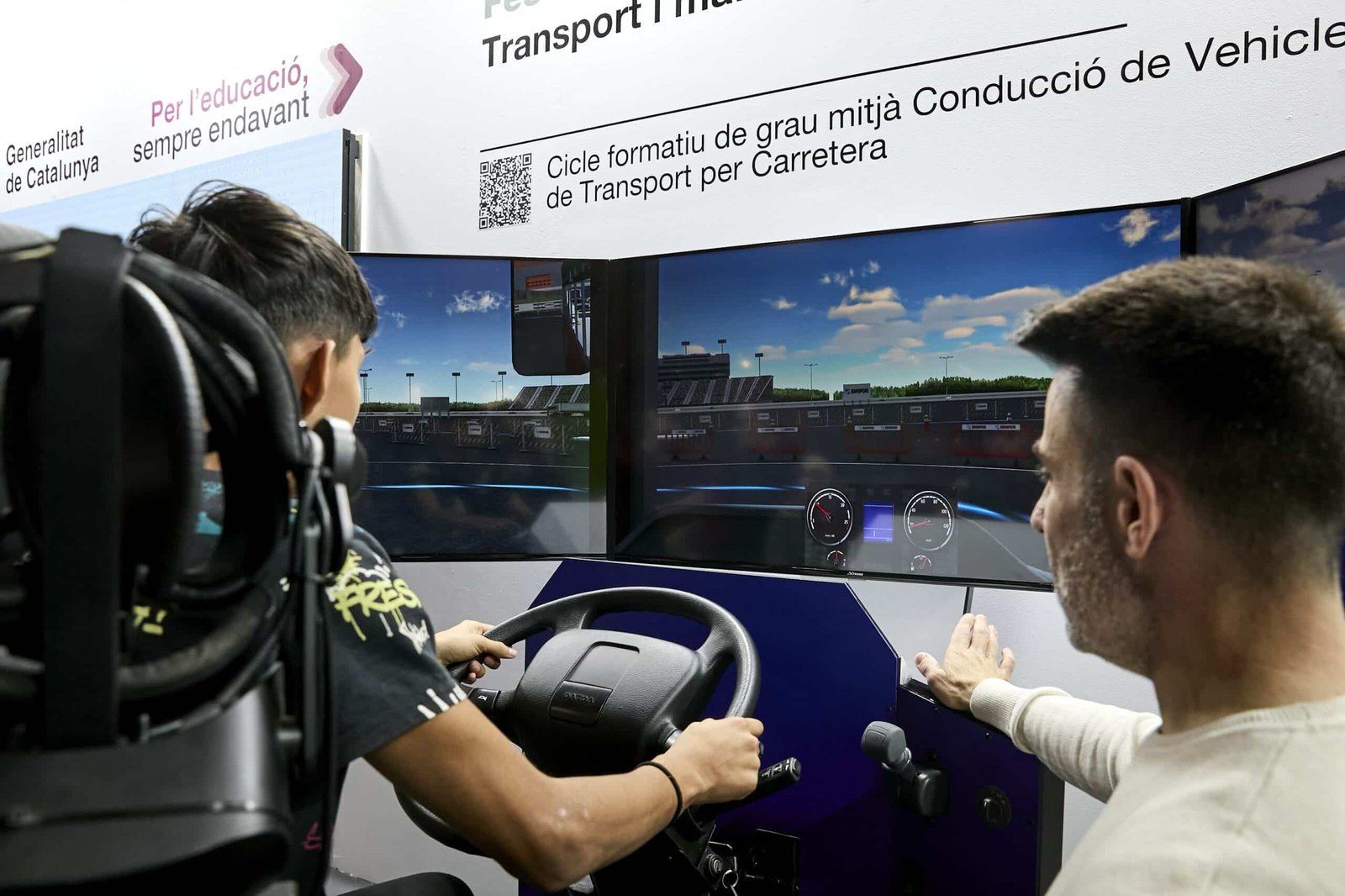
Vocational education is one of the largest areas of the exhibition. The official catalogue covers numerous professional families including health, information technology, administration, commerce and marketing, mechanics, energy and water, hospitality and tourism, audiovisual studies, sports, transport and many others.
Languages and international education
Language schools and international education providers give visitors opportunities to compare language courses, overseas study options and international pathways.
Family guidance
Family-oriented workshops help parents understand how to support young people during academic decision-making without choosing the pathway for them.
STEM and applied learning
Science, technology, engineering and mathematics are promoted through practical and experiential activities designed to make these areas more accessible and engaging to younger visitors.
Session times & schedule
The precise timetable for the upcoming edition should be checked through the official agenda once all activities have been finalized. The organizer’s recent format has used timed visitor sessions to regulate attendance and help visitors plan their time inside the exhibition.
Previous visitor scheduling used three main blocks:
- Morning: 9:00–12:30
- Midday: 12:30–15:30
- Afternoon: 15:30–19:00
A special extended afternoon schedule has previously been used on a Saturday, while the final Sunday has traditionally operated with a shorter morning session. These hours are a useful planning reference rather than a confirmed timetable for the upcoming edition.
Activities that require advance registration can have their own specific starting times and capacity limits. The organizer advises registered visitors to allow additional time for entry, accreditation and reaching the relevant activity area.
Ticket types & registration
The organizer has not yet published a final visitor ticket tariff specifically for the upcoming edition. As a previous-edition reference, the official visitor information listed the following admission levels, converted here into US dollars using an exchange rate of approximately $1.1216 per euro:
- General admission: approximately $8.41
- School group admission: approximately $7.29
- Youth Card admission: approximately $7.85
- Invitation: $0
- Children under eight: free under the previous visitor rules
The organizer previously stated that general tickets were valid for one person and one entry, with capacity controls and designated visitor sessions. School-group tickets were intended for groups of at least 10 students, with accompanying teachers receiving free admission under the applicable conditions.
These figures should be treated as previous-edition reference pricing until the official 2027 visitor ticket page confirms the final tariff.
For exhibitors, official participation rates are already published. The current exhibitor information lists interior free space at approximately $276.04 per square metre under the early-bird rate and approximately $281.45 per square metre under the standard rate, plus applicable tax. Exterior free space is approximately $159.27 per square metre, while the registration rights fee is approximately $628.10, based on the organizer’s published euro rates and the referenced exchange rate.
Registration deadlines
Visitor registration deadlines for the upcoming edition have not yet been fully detailed on the official pages reviewed. Visitors should monitor the official registration area for the opening of ticket sales and any activity-specific booking windows.
For activities requiring advance registration, the organizer uses capacity limits and confirmation emails. Some counselling activities can be freely accessible without advance registration, while guided visits and selected workshops require registration.
Exhibitor registration
Exhibitors can submit a participation request through the official organizer. The process involves submitting the requested exhibition space and participation format, confirming the reservation, selecting stand services and arranging additional services through Fira Barcelona’s exhibitor platform.
Exhibitor list & major companies
The official E-Catalogue is the best source for checking the participating education centres and filtering them by study type. The catalogue covers universities, post-secondary non-university education, complementary studies, languages and education services.
The exhibition has historically included all 12 Catalan universities, public and private, together with affiliated institutions. Official published exhibitor coverage has included institutions such as Universitat de Barcelona, Universitat Autònoma de Barcelona, Universitat Politècnica de Catalunya, Universitat Pompeu Fabra, Universitat de Lleida, Universitat de Girona, Universitat Rovira i Virgili, Universitat Oberta de Catalunya, Universitat Ramon Llull, Universitat de Vic, Universitat Internacional de Catalunya and Universitat Abat Oliba CEU.
Corporate training providers
Companies have also participated with professional training opportunities. Previous official coverage specifically identified Renfe and SEAT among companies presenting vocational training pathways.
The final exhibitor directory for the upcoming edition should be checked through the official E-Catalogue rather than relying on older exhibitor lists.
Exhibition halls & floor plan
The exhibition traditionally makes use of Palaces 1 and 2 at Fira Barcelona Montjuïc, with additional public-facing activity in Plaça de l’Univers. Palace 1 has been associated primarily with university and higher-education information, while Palace 2 has accommodated a substantial proportion of vocational training and non-university post-secondary education.
The layout is particularly useful because visitors can organize their route according to their educational objectives. Students researching university degrees can concentrate on the higher-education area, while those considering vocational training, languages, artistic education or professional pathways can plan around the relevant exhibition areas.
The official organizer provides visitor guidance and an exhibition map, while the E-Catalogue helps visitors identify centres before entering the halls. The final floor plan and stand locations should be checked shortly before travelling because exhibitor placement can change.
Networking & business meetings
Although Saló de l’Ensenyament is primarily aimed at students and families rather than corporate networking, it provides extensive direct interaction between education providers and prospective students.
Visitors can speak directly with admissions and academic representatives, ask questions about individual programmes and compare institutions without making separate appointments at each centre. Teachers and career advisers can also use the exhibition to collect information for their students.
For exhibitors, the event provides an opportunity to meet students, parents, teachers, school groups and education professionals. The organizer emphasizes access to highly relevant visitors and describes the exhibition as a platform for institutions seeking visibility among prospective students and families.
Industry sectors & highlights
Saló de l’Ensenyament covers a broad range of education sectors.
University studies
Degree programmes, higher education, university admission and academic pathways form one of the exhibition’s central areas.
Vocational training
The official catalogue includes professional families ranging from health and IT to administration, mechanics, hospitality, tourism, transport, sports, arts and environmental studies.
Languages
Language academies and international education providers allow students to compare language courses and overseas opportunities.
Arts and creative education
Visitors can find options involving graphic arts, design, music, performing arts, audiovisual education and other creative disciplines.
Sports education
Sports-related educational pathways are represented alongside practical information about specialist training.
Education services
The exhibition also includes student accommodation, educational equipment and other services supporting students, families and education professionals.
International education
Previous editions have featured international study opportunities from multiple countries, giving visitors alternatives beyond the Catalan education system.
Event rules & visitor information
Visitors should follow the access instructions attached to their ticket or activity registration. Capacity restrictions may apply, particularly to scheduled orientation activities and timed admission periods.
Activities requiring registration have limited places. The organizer advises visitors to arrive with sufficient time for entry, accreditation and reaching the activity location. If an attendee arrives substantially late to a reserved activity, the organizer may release the place so that other registered visitors can participate.
Guided school visits
School groups can participate in guided routes designed around their educational interests. These visits are intended to help students focus on relevant exhibitors rather than attempting to navigate the entire exhibition without guidance.
Accessibility and orientation
The event places strong emphasis on personalized educational guidance. Previous editions have included special sensory-adapted visiting periods and dedicated support for visitors with autism-spectrum conditions, demonstrating the organizer’s focus on making the exhibition more accessible.
How to get there
Fira Barcelona Montjuïc is located at Av. Reina Maria Cristina, s/n, 08004 Barcelona, close to Plaça d’Espanya. The venue is centrally positioned and connected with Barcelona’s metro, bus, railway and taxi networks.
From Barcelona city centre
The simplest public transport option is generally to travel to Espanya station and walk to the Montjuïc exhibition grounds. The venue is close to major central roads and landmarks, making it relatively straightforward to reach on foot from nearby neighbourhoods.
From Barcelona Airport
Fira Barcelona states that the Montjuïc venue is approximately 15 kilometres from Barcelona-El Prat Airport. Airport connections include metro, bus, Aerobús, taxi and road transport.
By taxi
Fira Barcelona venues have designated taxi ranks, and Barcelona’s licensed taxis are identifiable by their yellow-and-black livery.
Public transport & parking
Public transport is one of the most convenient ways to reach the venue. Fira Barcelona lists Espanya as the principal metro connection, served by L1 and L3.
Several TMB bus services serve the surrounding area, including D20, D40, H12, H16, V7, 13, 23, 46, 65, 79, 91, 109, 150 and 165. Routes can change, so visitors should confirm operating information with the transport authority before travelling.
Rail connections
Barcelona-Sants provides Renfe connections and can be linked with the venue by metro or bus. FGC services also connect with Espanya station.
Parking
Fira Barcelona lists approximately 1,900 parking spaces around the Montjuïc venue. Visitors travelling by car should allow extra time for traffic and parking availability, particularly during busy exhibition periods.
Accommodation areas
Staying near the venue can make an educational exhibition visit easier, particularly for visitors attending with school groups or families.
Plaça d’Espanya
This is one of the most convenient areas because of its proximity to the exhibition grounds and strong metro, bus and rail connections.
Sants
The Sants area is practical for visitors arriving by train and provides access to the venue through public transport.
Eixample
Eixample offers a large range of hotels, restaurants and services while remaining well connected to the exhibition area.
Poble-sec
This neighbourhood is relatively close to Montjuïc and can be convenient for visitors looking for accommodation outside the busiest central tourist areas.
Central Barcelona
Visitors staying around the Gothic Quarter, El Raval, Universitat or Passeig de Gràcia can generally reach the venue efficiently by public transport.
Fira Barcelona also promotes accommodation and travel services through its visitor and exhibitor infrastructure, so attendees should check the official venue resources for any event-specific hotel offers.
Previous year’s highlights
The previous edition demonstrated the continuing scale of Saló de l’Ensenyament, with more than 230 exhibitors and more than 100,000 students, families and teachers. The organizer highlighted the presence of universities, vocational-training centres, language providers and education services, reinforcing the exhibition’s role as a comprehensive education marketplace and orientation platform.
University participation
All 12 Catalan universities were represented, alongside affiliated institutions. This gives students an unusually broad opportunity to compare public and private university pathways in one place.
Vocational training
Vocational education continued to expand its presence, covering areas such as healthcare, technology, administration, marketing, mechanics, renewable energy, arts, sport, communication, gastronomy and tourism.
Orientation services
The programme included individual counselling, guided school visits, workshops for families and talks covering study selection, university access, vocational pathways, self-knowledge and international mobility.
Experiential activities
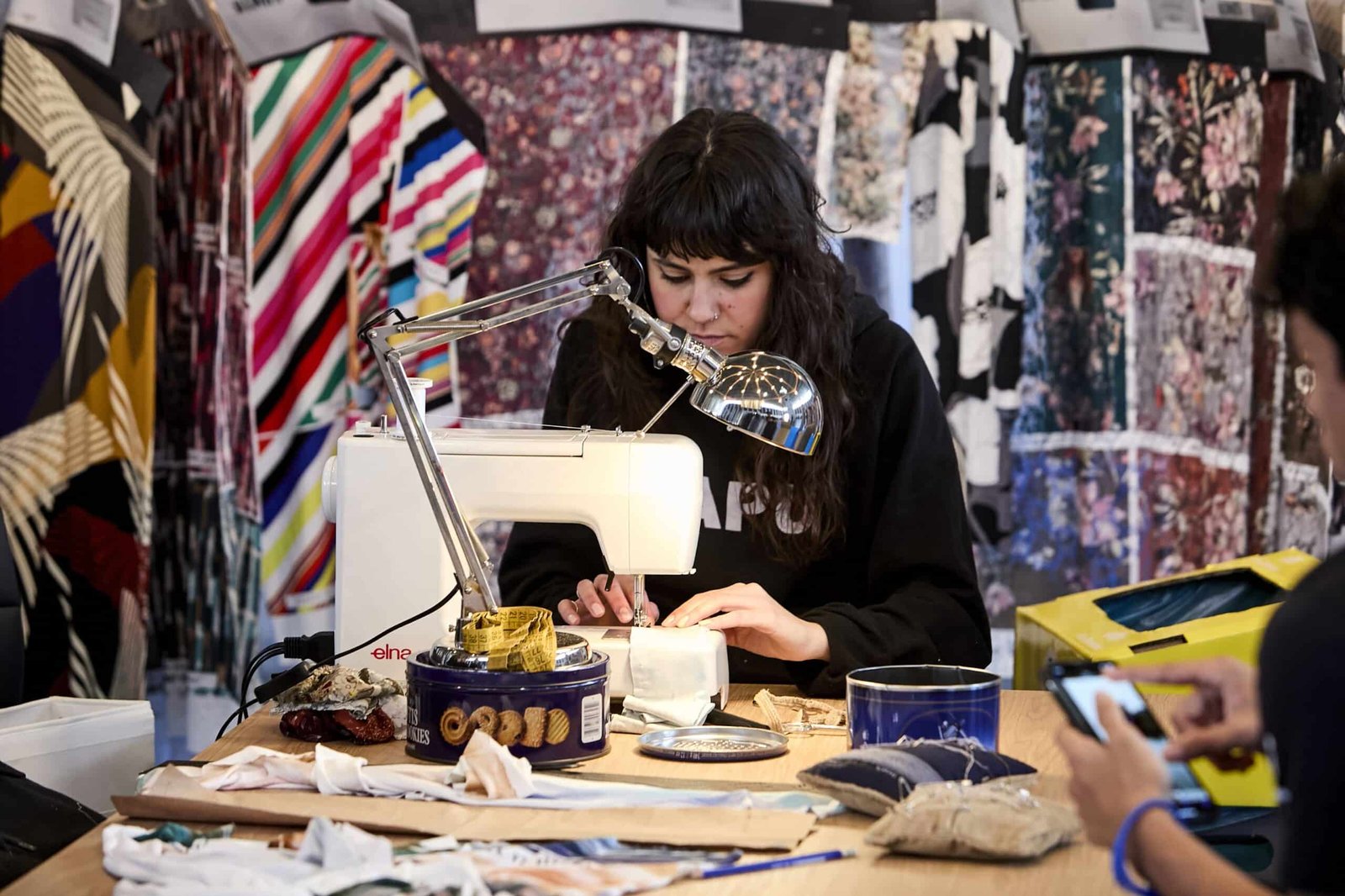
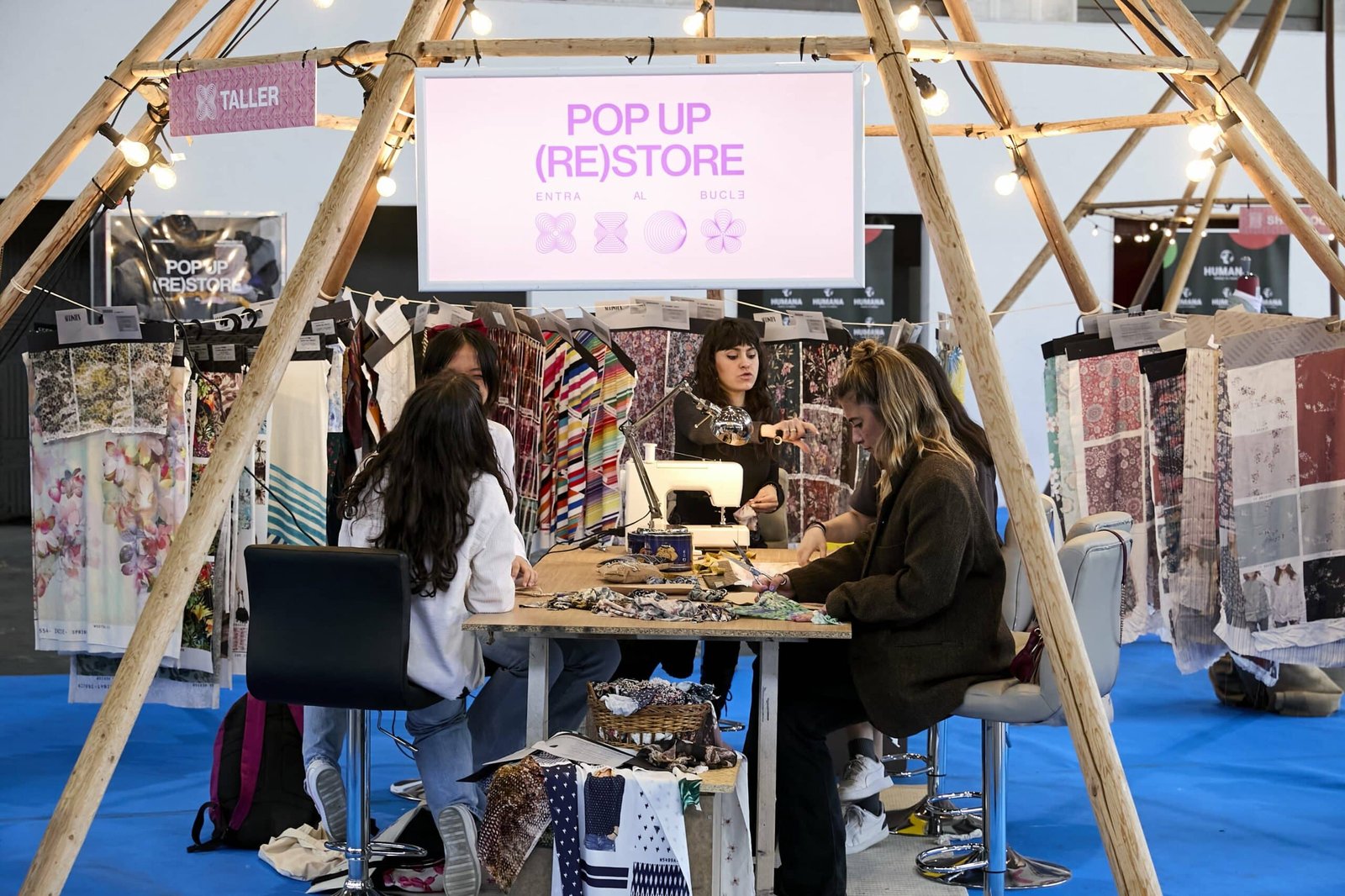
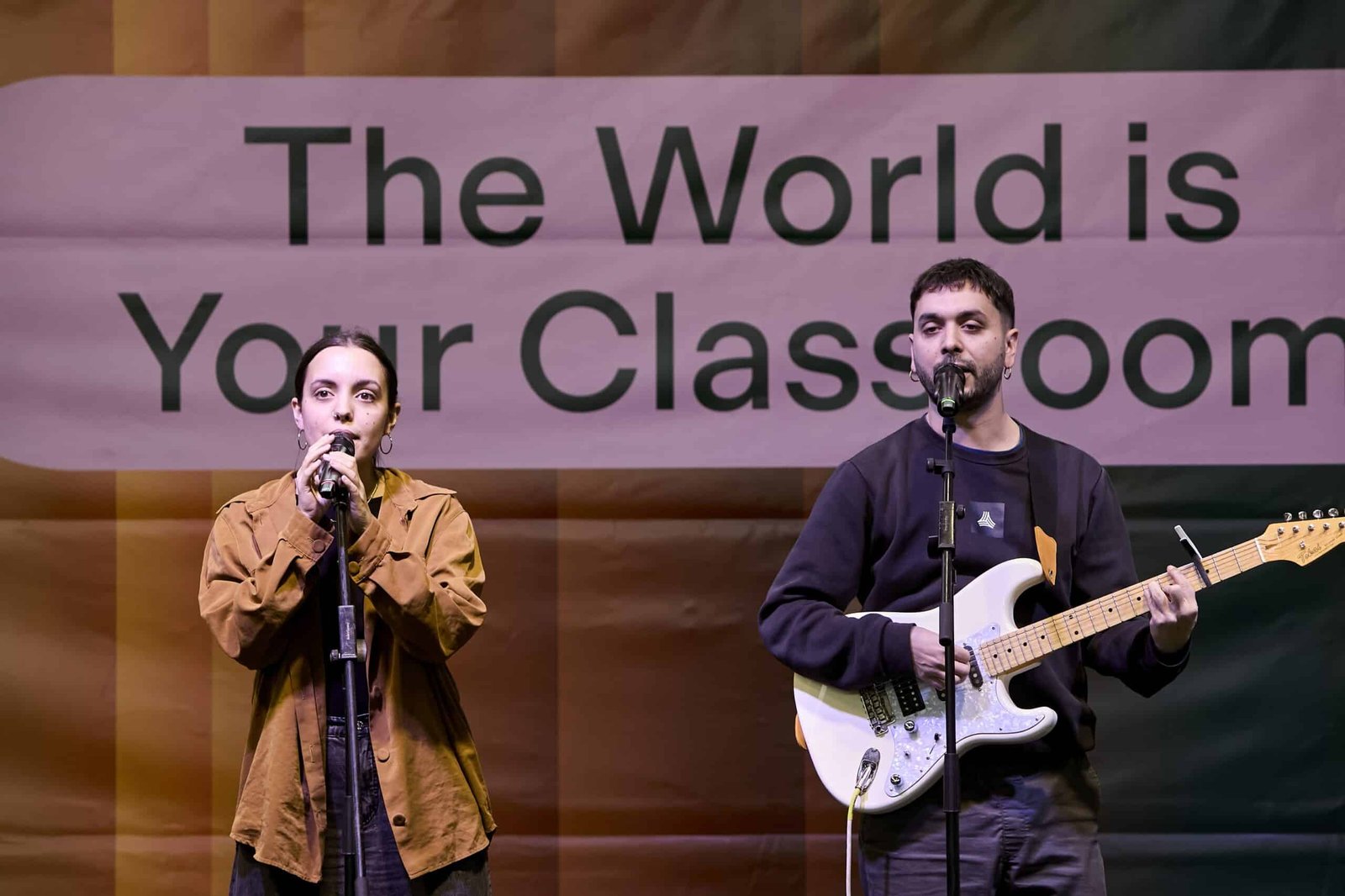
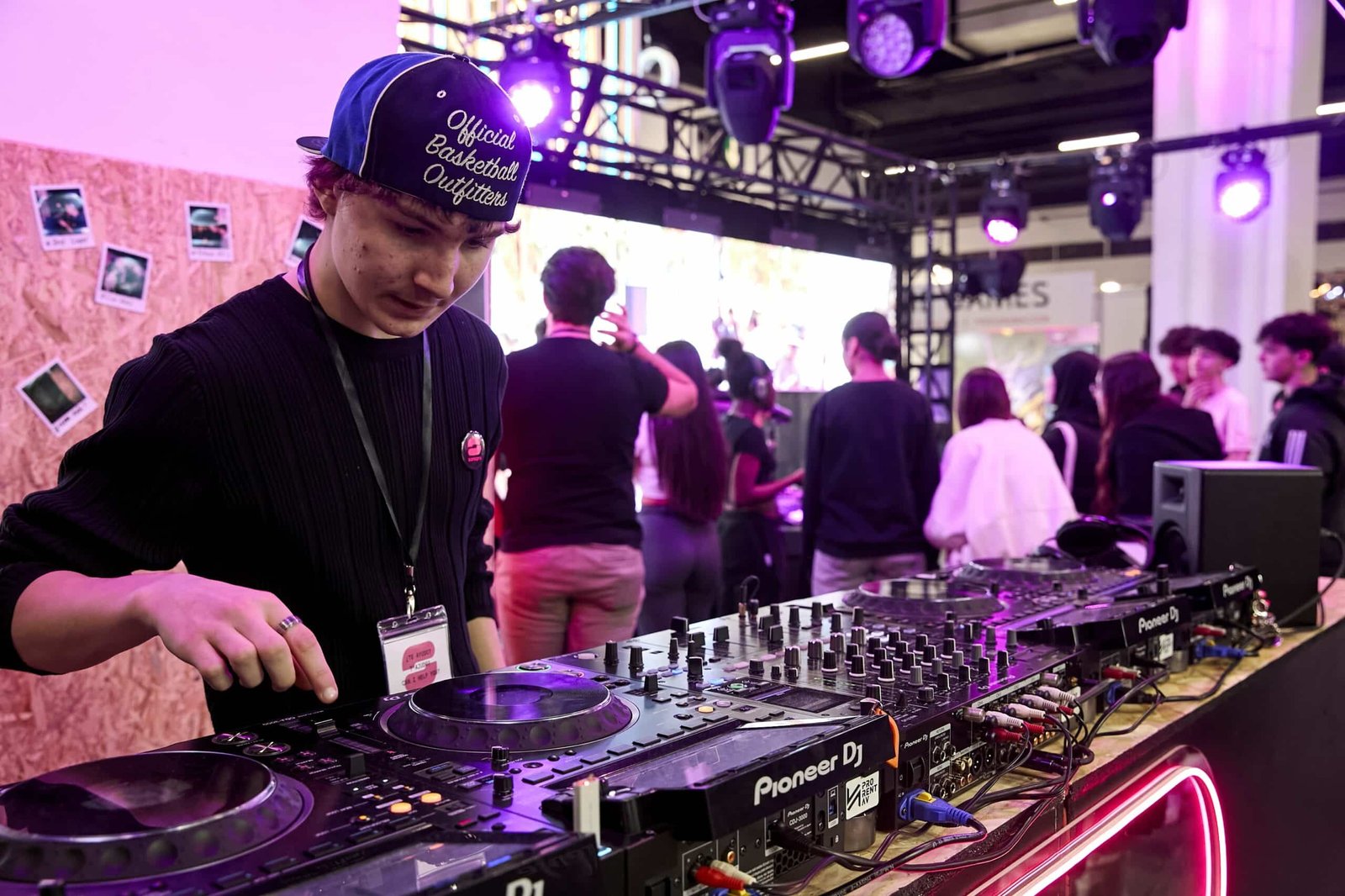
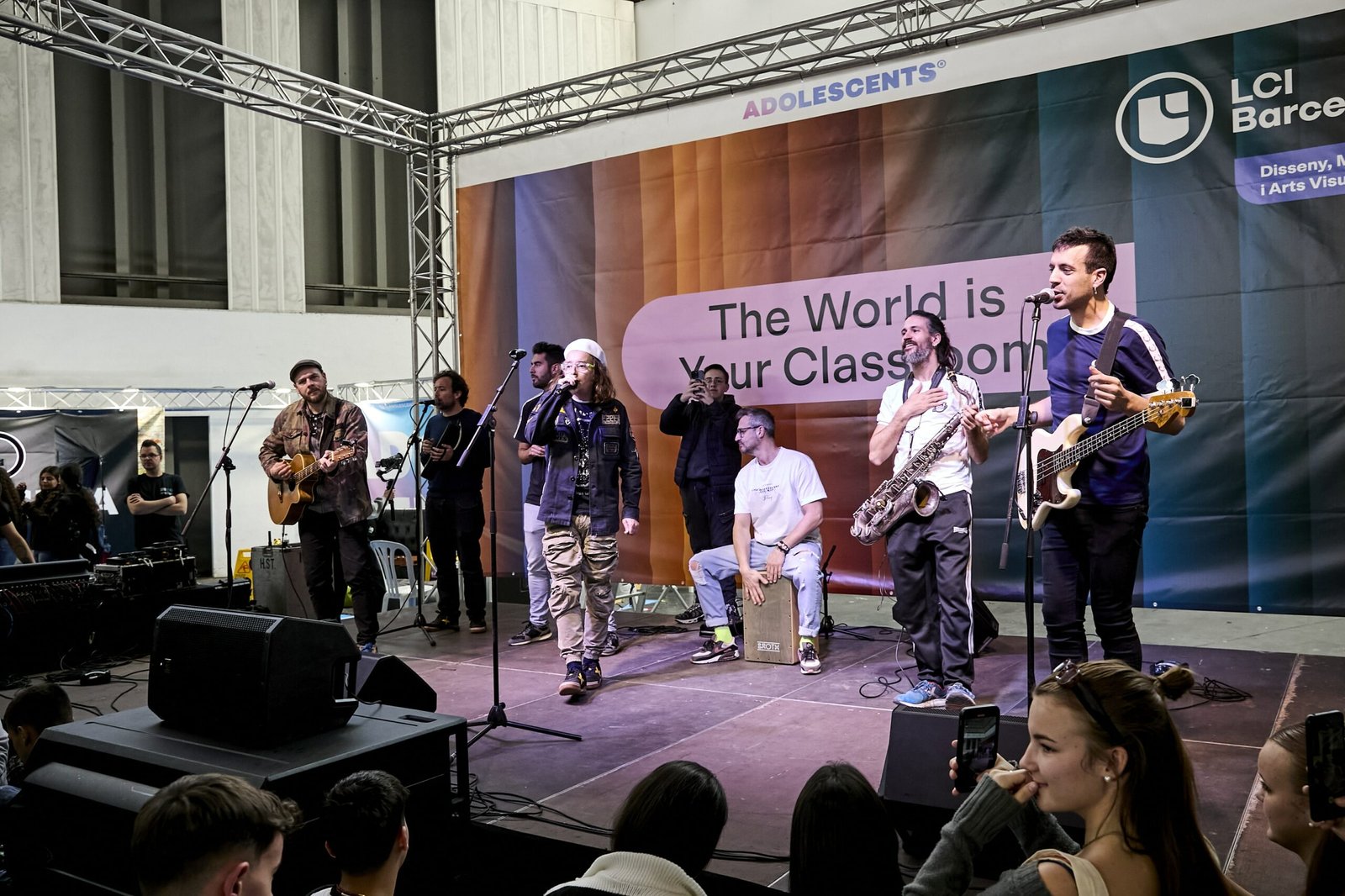
The exhibition also combined educational content with science activities, sport, interactive experiences, live media, music and youth-oriented programming, making the visit more engaging for students.
Official registration & tickets
The official Saló de l’Ensenyament website is the primary source for visitor registration, the E-Catalogue, programme information and exhibitor details. Because the upcoming visitor ticket structure can change before the exhibition opens, attendees should use the official website for the final registration process.
Official Saló de l’Ensenyament website (https://www.ensenyament.com/)
The organizer’s E-Catalogue is particularly useful for preparing a visit because it allows students and families to filter institutions by university studies, vocational education, complementary studies, languages and education services.
For exhibitor participation, the official organizer provides an application process and published space rates. The exhibitor contact team can also provide the participation dossier and information about stand construction, services, advertising and sponsorship.
Official contact
Telephone: +34 932 33 20 00
Email: ensenyament@firabcn.es
Website: www.ensenyament.com
Tickets Sell Out
in Minutes
Maps
Contact
Video
FAQ's
What is Saló de l’Ensenyament?
Saló de l’Ensenyament is a major education and academic-orientation exhibition in Barcelona where students, families and teachers can compare universities, vocational training, language courses, artistic and sports education and other study pathways. It combines exhibitor information with counselling, workshops, guided visits and practical admission guidance.
Who should attend Saló de l’Ensenyament?
The event is particularly useful for secondary-school students, prospective university students, vocational-training applicants, families, teachers and career-orientation professionals. It is also valuable for anyone comparing study options, admission routes, scholarships, international education or career-focused training.
What types of education can visitors explore?
Visitors can research university degrees, higher education, vocational training, languages, artistic studies, sports education, complementary courses and education services. The official E-Catalogue divides vocational education into numerous professional families, including healthcare, IT, administration, tourism, mechanics, transport, sports and environmental studies.
Does the event provide personal academic guidance?
Yes. Personal guidance is one of the central features of the exhibition, with services designed to help students and families understand study pathways, admission procedures and career choices. Previous programmes have included individualized counselling, guided visits, family workshops, information sessions and specialist support from education authorities.
Can schools organize group visits?
Yes. The organizer provides guided-visit services for educational groups, allowing students and teachers to follow routes adapted to their interests and focus on relevant exhibitors. Group activities can have capacity limits and may require advance registration, so schools should consult the official orientation and registration information before planning their visit.