





MUSEG – Festival de Música de Segovia 2027 – Spain
Overview
MUSEG – Festival de Música de Segovia 2027 – Spain is a major summer music and performing arts festival based in Segovia, Castilla y León. Organized by the Fundación Don Juan de Borbón, the festival combines classical music, chamber music, orchestral performances, opera, dance, flamenco, organ music, young performers, contemporary projects, and concerts presented in historic and natural surroundings.
One of MUSEG’s most distinctive qualities is its relationship with Segovia’s extraordinary architectural heritage. Rather than relying on a conventional concert venue, the festival transforms locations such as the Alcázar, Cathedral, historic churches, gardens, castles, museums, and other heritage spaces into performance settings.
The festival also extends beyond the city through its MUSEG al Natural programme. This section takes performances into landscapes and heritage sites across the province, creating a combination of music, architecture, nature, and regional tourism.
Enjoy Your Event Stress-Free with Spain Travelo
Planning a trip around a festival, concert, cultural celebration, or business event in Spain can be time-consuming—finding tickets, accommodation, transportation, and local information takes effort. Spain Travelo makes it easier by bringing essential event information, travel planning, and support together in one place.
MUSEG is organized around several complementary artistic strands. MUSEG en la ciudad concentrates on performances in Segovia, while MUSEG al Natural takes music into the wider province. Festival Joven supports emerging performers, while the Ruta del Órgano connects audiences with historic organs and religious heritage.
The official festival describes MUSEG as one of Spain’s oldest performing-arts festivals, with a strong national and international profile. Its history has included internationally renowned musicians and artists while continuing to support young performers and local cultural activity.
The 2027 programme is not yet fully published, so confirmed artists, individual performances, venues, and ticket availability should be checked through the official MUSEG website as announcements are released.
What Makes This Event Special
Music in historic surroundings
MUSEG’s most recognizable feature is the way performances interact with Segovia’s architectural heritage. Audiences can experience music in settings associated with the city’s long cultural history rather than attending every concert in a conventional auditorium.
The Alcázar of Segovia
The Alcázar provides one of the festival’s most distinctive concert environments. Its historic architecture and elevated position make performances there particularly memorable for visitors combining music with cultural tourism.
The Cathedral
The Cathedral is an important setting for organ and sacred-music programming. The building’s acoustics and monumental interior provide a natural environment for organ recitals and other performances.
MUSEG al Natural
The festival’s MUSEG al Natural programme expands beyond the urban centre. Concerts can take place in natural landscapes, historic villages, castles, former railway locations, and other unusual settings around the province.
Young performers
Festival Joven provides a platform for promising musicians and recent competition winners. Recent programming has included young pianists, instrumentalists, chamber groups, and other emerging artists.
Historic organ tradition
The Ruta del Órgano is another important part of the festival. It connects audiences with historic organs located in churches around Segovia and the surrounding province, combining music with architectural and religious heritage.
Different artistic languages
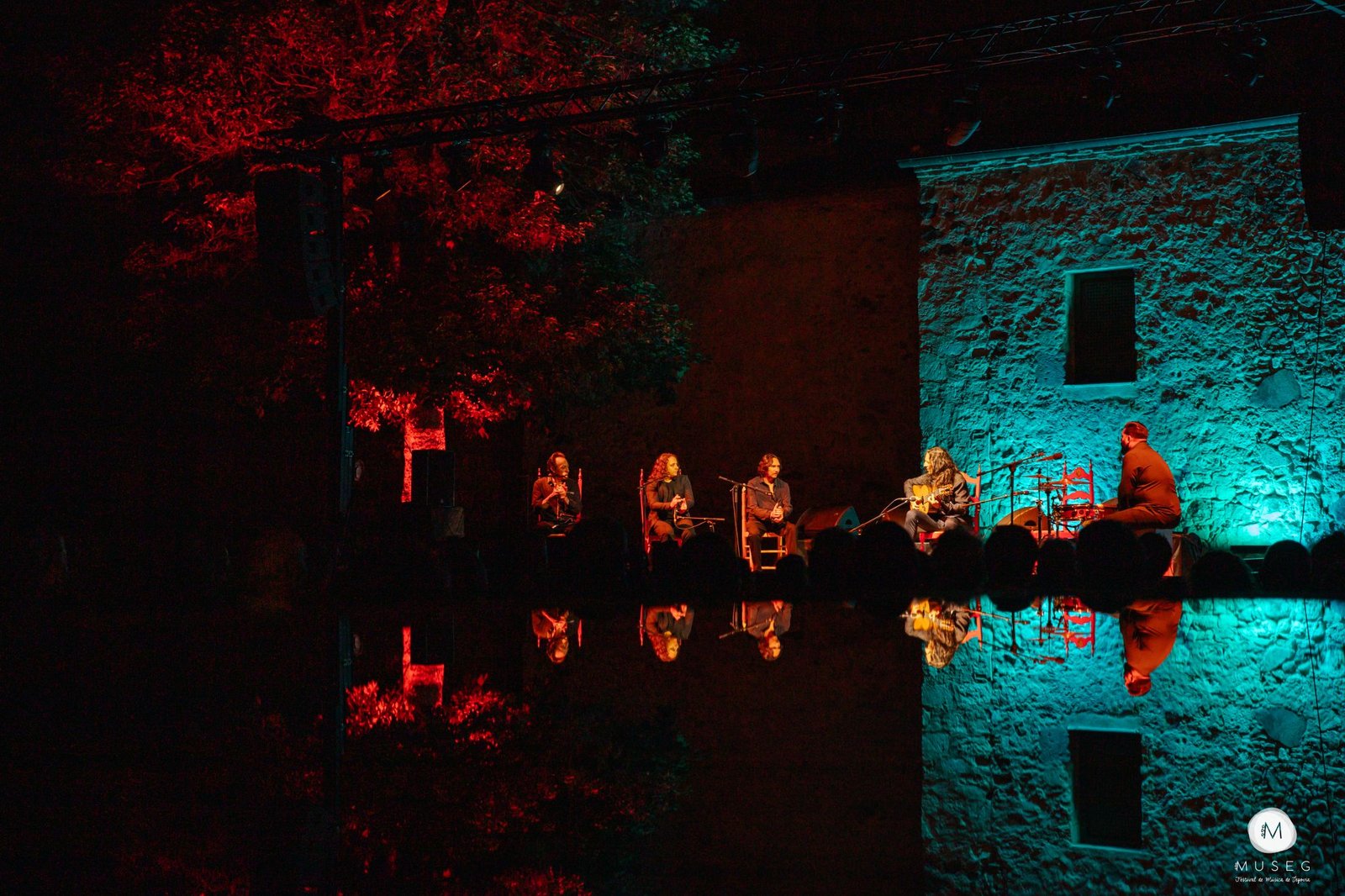
MUSEG goes beyond conventional classical programming. Recent programmes have included flamenco, jazz, guitar, dance, orchestral music, contemporary performance, family productions, and experimental projects.
Lineup / Featured Artists
The complete MUSEG 2027 lineup has not yet been announced. The official festival normally releases its programme progressively, meaning visitors should check the official website for confirmed artists and individual performances.
Recent editions demonstrate the considerable range of performers associated with MUSEG.
Ainhoa Arteta
The internationally recognized Spanish soprano Ainhoa Arteta has appeared in the festival programme, representing its connection with major Spanish and international vocal artists. Recent programming paired her with baritone Luis Santana in a programme devoted to major operatic duets.
Al Di Meola
The influential American guitarist Al Di Meola has also been part of recent MUSEG programming. His appearance demonstrates how the festival can move beyond strictly classical repertoire into jazz and contemporary guitar traditions.
Orfeón Donostiarra
Orfeón Donostiarra, one of Spain’s best-known choral institutions, has appeared at MUSEG with a programme focused on celebrated works from the choral repertoire.
Israel Galván
Flamenco dancer and choreographer Israel Galván has also featured in the festival’s programme. His work illustrates MUSEG’s interest in contemporary interpretations of Spanish performing arts and dance.
Rocío Molina
Rocío Molina, one of Spain’s prominent contemporary flamenco dancers and choreographers, has been presented by MUSEG in a major outdoor performance setting. Her work demonstrates the festival’s connection between traditional forms and contemporary stage language.
Janoska Ensemble
Janoska Ensemble has appeared with a programme combining classical repertoire, improvisation, Central European traditions, popular influences, and jazz-related elements.
Paquito D’Rivera and other international artists
Previous MUSEG editions have included artists such as Paquito D’Rivera, Egberto Gismonti, Tomatito, Jordi Savall, Mayte Martín, and Yilian Cañizares. These performers are examples of previous programming and should not be considered confirmed for the 2027 edition.
Event Experience
MUSEG offers an experience that combines live music with architecture, history, nature, and the atmosphere of Segovia.
A visitor might begin with an orchestral performance in a historic garden, attend an organ recital inside a monumental church, explore the old city, and later travel to a castle or rural location for a MUSEG al Natural performance.
The festival’s multiple artistic strands make it possible to create very different itineraries. Classical-music enthusiasts can concentrate on orchestral and chamber concerts, while visitors with broader interests can include flamenco, jazz, dance, young artists, organ music, and family performances.
Outdoor performances are particularly distinctive because the surrounding architecture or landscape becomes part of the experience. A performance near the Acueducto or in the grounds of a historic building can feel very different from a traditional theatre concert.
MUSEG also has an educational dimension. The Festival Joven encourages young musicians, while the organ course and Ruta del Órgano support awareness of historic instruments and musical heritage.
The festival has also emphasized sustainability, cultural accessibility, territorial development, and the relationship between artistic activity and local heritage. Its current structure deliberately connects the city with smaller communities and natural spaces throughout the province.
Date & Schedule
Festival dates: July – August 2027 (Dates TBD)
The complete 2027 programme, individual performance dates, concert times, participating artists, and final venue schedule have not yet been published.
Based on the festival’s established format, visitors can expect the programme to include MUSEG en la ciudad, MUSEG al Natural, Festival Joven, and the Ruta del Órgano, although the exact 2027 structure and individual performances should be confirmed through the official website.
Visiting this event? Don’t miss out on these amazing activities and local experiences while you’re here.
Location & Venue
MUSEG is centered in Segovia, a historic city in Castilla y León famous for its Roman aqueduct, medieval architecture, Cathedral, and Alcázar.
Alcázar of Segovia
The Alcázar is one of the festival’s most iconic performance locations. Its historic setting has hosted chamber music, recitals, and other artistic programmes.
Segovia Cathedral
The Cathedral provides a monumental environment for organ and other musical performances. Its role within the Ruta del Órgano connects the festival with Segovia’s historic religious and musical heritage.
Jardín de los Zuloaga
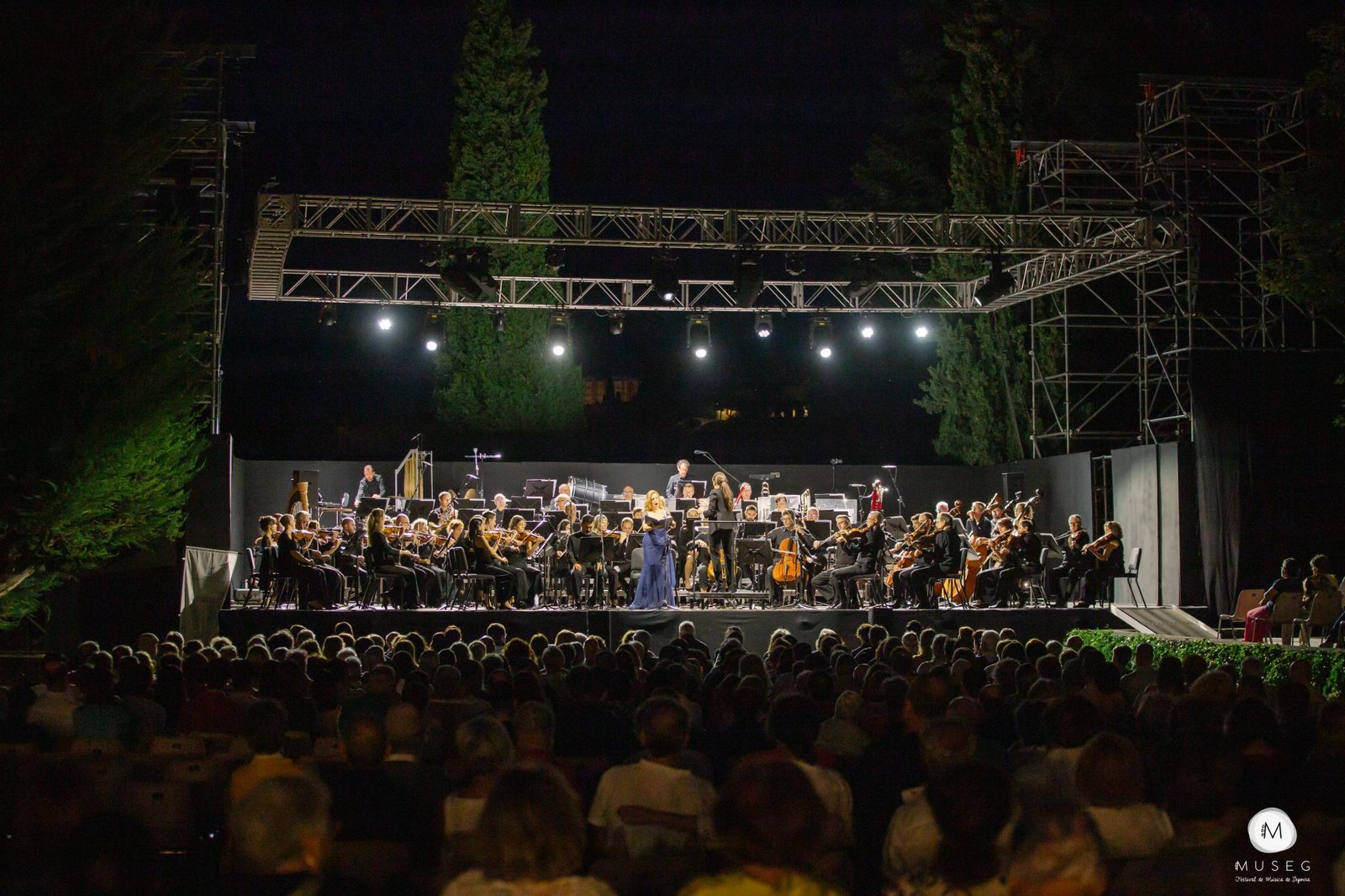
The Jardín de los Zuloaga is an important outdoor festival space used for larger performances. Recent programmes have placed orchestras, dancers, guitarists, and major international performers in this setting.
Jardín del Torreón de Lozoya
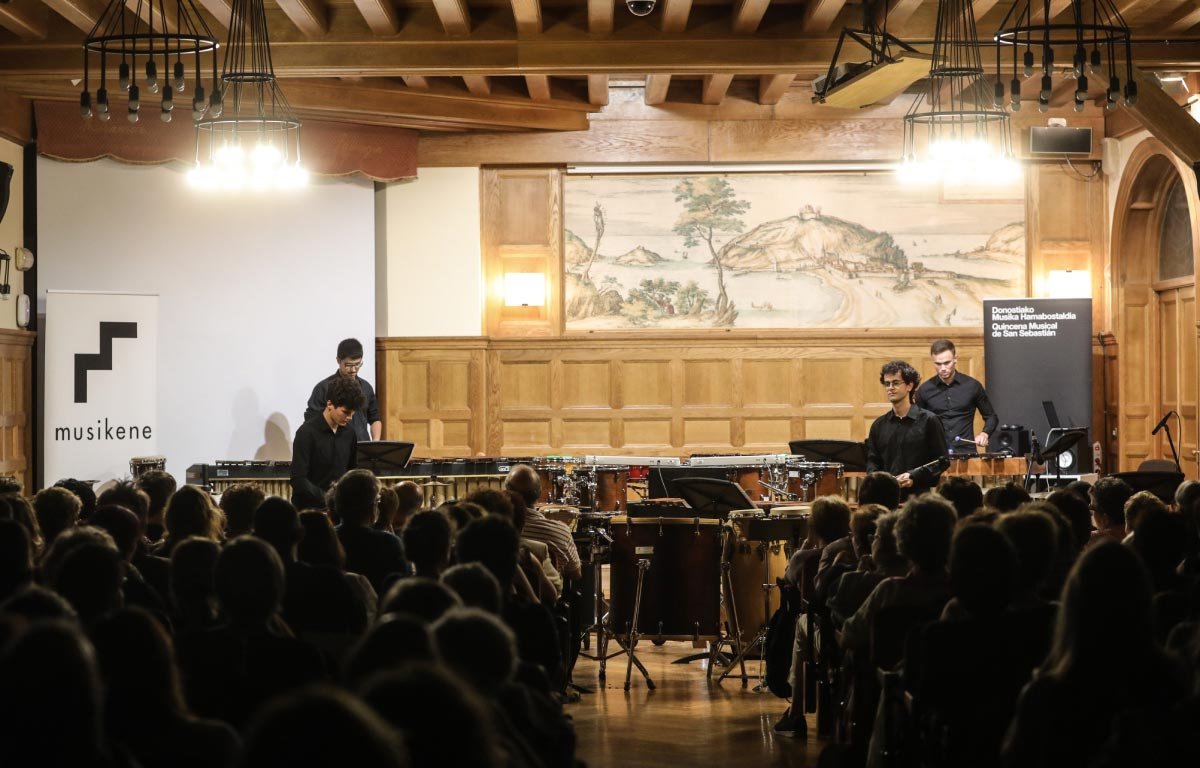
This location has been used for Festival Joven recitals and other smaller performances, providing an intimate setting within the historic city.
Palacio de Quintanar
The Palacio de Quintanar has hosted young musicians and chamber-oriented programming.
MUSEG al Natural locations
The festival can extend into towns and rural locations throughout the province. Recent programming has included castles, historic railway stations, churches, natural landscapes, and other heritage sites.
This distribution means that visitors should always verify the location of their individual performance before travelling.
Event History
MUSEG has a long history as one of Spain’s established performing-arts festivals. Its origins are connected with the musical and cultural development of Segovia and its historic monuments.
The festival was initially associated with the Festival Internacional del Acueducto before developing into the Festival Internacional de Segovia and later the Festival de Segovia. The modern MUSEG identity brought several existing artistic strands together under one name.
Over its history, the festival has welcomed major international artists including Mstislav Rostropovich, Montserrat Caballé, Barbara Hendricks, José Carreras, Jordi Savall, Chick Corea, the Ballet Nacional de Cuba, the Peking Opera, Vicente Amigo, and the Borodin Quartet.
The festival’s identity has evolved while maintaining its connection with Segovia’s heritage. Its programme has expanded from traditional classical concerts to include dance, flamenco, jazz, contemporary music, educational projects, young performers, and multidisciplinary productions.
The introduction of MUSEG al Natural further expanded the festival geographically. Instead of limiting performances to the historic centre, the programme began connecting audiences with the wider province through castles, natural landscapes, villages, churches, and other heritage locations.
Festival Joven provides another important part of the festival’s development. It creates opportunities for young musicians and competition winners to perform before public audiences and establishes a connection between professional performance and artistic education.
The Ruta del Órgano similarly reinforces the festival’s preservation of musical heritage by connecting performances with historic organs in religious buildings throughout the province.
Getting to the Event
By air
Madrid-Barajas Airport is the principal international gateway for visitors travelling to Segovia. Segovia can then be reached from Madrid by high-speed rail, bus, or road.
By train
Segovia has a high-speed railway station serving connections with Madrid and other Spanish cities. There is also a conventional railway station closer to the urban area.
By bus
Regular bus services connect Segovia with Madrid and other destinations in Castilla y León. The bus station is located within the city and can be convenient for visitors staying in central accommodation.
By car
Driving can be useful for visitors planning to attend MUSEG al Natural performances outside the city. It provides greater flexibility for reaching castles, villages, churches, and rural venues.
Getting around Segovia
The historic centre is highly walkable, although some streets are steep or cobbled. Local buses and taxis can be useful when travelling between the railway stations, accommodation, and festival venues.
Visitors attending events outside Segovia should allow additional travel time because MUSEG’s provincial programme can use locations considerably farther from the city centre.
Where to Stay Nearby
Segovia offers accommodation ranging from historic hotels and boutique properties to modern hotels, apartments, guesthouses, and budget accommodation.
Historic centre
Staying within or close to the old town is convenient for visitors who want to walk to major attractions and several festival venues.
Near the Aqueduct
The area around the Roman Aqueduct provides convenient access to restaurants, shops, the historic centre, and visitor services.
Near Plaza Mayor
Accommodation around Plaza Mayor places visitors close to the Cathedral, restaurants, cafés, cultural attractions, and central walking routes.
Near the Alcázar
This area can be particularly attractive for visitors interested in historic architecture and festival performances in and around the old city.
Outside the historic centre
Modern hotels and accommodation farther from the old town can provide easier vehicle access and may be more convenient for visitors planning excursions into the province.
For MUSEG al Natural, accommodation in Segovia remains practical for many visitors, but those attending several performances outside the city may wish to consider accommodation closer to individual provincial venues.
Things to Do Before or After the Event
Roman Aqueduct
The Roman Aqueduct is Segovia’s most recognizable monument and one of the city’s principal attractions. Its monumental stone arches provide an immediate introduction to the city’s historic character.
Alcázar of Segovia
The Alcázar is one of Spain’s best-known medieval castles. Its towers, rooms, courtyards, and elevated position make it an essential stop for visitors.
Segovia Cathedral
The Cathedral dominates the historic centre and is particularly important to visitors interested in architecture, religious heritage, and the festival’s organ programme.
Jewish Quarter
The historic Jewish Quarter offers narrow streets, traditional buildings, and cultural landmarks within the old city.
Casa de la Moneda
The historic mint provides another perspective on Segovia’s industrial and architectural heritage.
Mirador de la Pradera de San Marcos
This viewpoint offers attractive views toward the Alcázar and surrounding landscape and can be combined with a walk around the city.
Museums and cultural spaces
Segovia has museums and cultural institutions covering local history, art, literature, and heritage.
Explore the province
Visitors with additional time can travel to towns and villages around Segovia, particularly if they want to combine MUSEG performances with castles, churches, natural landscapes, and rural cultural attractions.
Restaurants & Dining Nearby
Segovia is particularly well known for traditional Castilian cuisine and has a large selection of restaurants, tapas bars, cafés, and contemporary dining venues.
Traditional Castilian cuisine
Visitors can find regional dishes featuring roasted meats, seasonal vegetables, soups, cheeses, and locally produced ingredients.
Historic centre restaurants
The old town contains numerous restaurants and tapas establishments within walking distance of major festival venues.
Around the Aqueduct
The area around the Aqueduct has many restaurants and casual dining options and is convenient for visitors arriving or departing through the main urban transport areas.
Tapas and casual dining
Visitors looking for a lighter meal can explore tapas bars and cafés throughout the historic centre.
Dining before performances
Because some MUSEG concerts take place in the evening, visitors should plan restaurant reservations carefully. A restaurant close to the performance venue can reduce the need to travel across the city before a concert.
For performances outside Segovia, dining options can be more limited, so checking local restaurants in advance is advisable.
Ticket Information
MUSEG 2027 ticket prices have not yet been announced. Previous official editions provide a useful reference for planning, but these prices should not be treated as confirmed 2027 rates.
Recent MUSEG ticket prices ranged from approximately $9.36 to $30.42 for general admission depending on the performance and seating category. For example, recent major outdoor productions used Zone A pricing of approximately $30.42 and Zone B pricing of approximately $24.57.
Other previous performances were priced at approximately $16.38 for general admission, while selected provincial performances were around $14.04.
Previous editions have also included free performances, particularly Festival Joven events and selected outdoor concerts.
A previous MUSEG pricing structure included:
- General admission from approximately $9.36
- Standard concerts around $14.04 to $16.38
- Premium outdoor seating around $24.57 to $30.42
- Selected provincial performances around $14.04
- Children’s tickets around $5.85
- Some performances with free admission
Previous editions also offered discounts for young people and unemployed audiences. Recent official information indicated a 50% reduction for eligible young people and unemployed visitors, while children had a dedicated reduced ticket price.
Once 2027 tickets are released, visitors should check the official MUSEG website for the exact seating categories, discounts, free events, booking conditions, and availability.
Tips Before You Go
Check the individual venue
MUSEG uses many locations throughout Segovia and the province. Always verify the venue of your chosen performance before travelling.
Plan transportation carefully
Events within the historic centre can generally be combined with walking, while MUSEG al Natural performances may require a car or additional regional transport planning.
Book popular performances early
Previous editions have reported very strong attendance, with several performances reaching high occupancy or selling out.
Arrive early
Historic venues can have different entrances and seating arrangements from conventional theatres. Arriving early allows time to locate the entrance and settle before the performance.
Wear comfortable footwear
Segovia’s historic centre includes cobbled streets, slopes, stairs, and uneven surfaces. Comfortable shoes are particularly useful when moving between attractions and performance locations.
Check outdoor conditions
Some performances are held outdoors. Visitors should check the official event information and prepare appropriately for evening temperatures and changing weather conditions.
Combine several artistic programmes
MUSEG offers much more than major headline concerts. Chamber music, young artists, organ performances, dance, flamenco, and provincial events can provide very different experiences.
Allow time for sightseeing
Segovia’s historic monuments are a major part of the overall festival experience. Building time into the itinerary for the Aqueduct, Cathedral, Alcázar, and old town can make the visit more complete.
Official Event Information
Event: MUSEG – Festival de Música de Segovia 2027 – Spain
Location: Segovia, Castilla y León, Spain
Official website: museg.org
Telephone: +34 921 46 14 00
Email: fundacion@fundaciondonjuandeborbon.org
Organiser: Fundación Don Juan de Borbón
Address: Calle Juan Bravo, 11, Segovia
The Fundación Don Juan de Borbón organizes MUSEG and is responsible for the festival’s artistic programme, cultural activities, young-performer initiatives, and wider musical heritage projects.
The official MUSEG website provides programme announcements, ticket information, venue details, festival news, previous editions, and information about the Fundación Don Juan de Borbón.
For the 2027 edition, the official website should be treated as the primary source for confirmed performers, programme details, ticket availability, venue information, and practical updates.
Attendee Experiences
MUSEG offers a different experience from a conventional music festival because the surroundings are an important part of the event.
A performance in the Jardín de los Zuloaga provides an outdoor festival atmosphere, while a chamber recital inside the Alcázar creates a more intimate relationship between the performers and the historic surroundings.
Organ performances in churches provide another distinctive experience, particularly for visitors interested in historic instruments and sacred architecture. The Ruta del Órgano adds a strong heritage dimension to the musical programme.
MUSEG al Natural expands this concept further by taking performances outside the city. Audiences can encounter music alongside castles, villages, natural landscapes, churches, former railway sites, and other locations across the province. Recent programming has deliberately used these settings to connect cultural tourism with musical performance.
The festival’s artistic variety is another major part of the experience. A visitor might attend an orchestral concert one evening and then choose flamenco, jazz, chamber music, organ, or a young-performer recital for another event.
Young audiences are also represented through Festival Joven and family-oriented productions. This creates opportunities for visitors travelling with children or younger music enthusiasts to participate in the festival without concentrating exclusively on major evening concerts.
The combination of music, heritage, nature, and emerging talent makes MUSEG particularly suitable for travellers who want their festival visit to become part of a wider cultural journey through Segovia.
Tickets Sell Out
in Minutes
Maps
Contact
Video
FAQ's
What is MUSEG – Festival de Música de Segovia?
MUSEG is a major music and performing arts festival based in Segovia, Spain, organized by the Fundación Don Juan de Borbón. Its programme combines classical music, orchestral performances, chamber music, dance, flamenco, organ concerts, young performers, and contemporary artistic projects.
Where does MUSEG take place?
MUSEG uses numerous venues in Segovia and the surrounding province rather than relying on a single concert hall. Important locations include the Alcázar, Cathedral, Jardín de los Zuloaga, historic churches, cultural buildings, castles, natural landscapes, and other heritage sites.
What types of music and performances can visitors experience?
The festival covers a broad range of artistic styles, including orchestral and chamber music, piano, organ, vocal performance, opera-related repertoire, flamenco, jazz, dance, contemporary projects, and family programming. The exact selection depends on the final festival programme.
Is MUSEG suitable for families and younger audiences?
Yes. The festival includes dedicated young-performer programming and has presented family-oriented productions alongside its main artistic programme. Some events are also free, giving visitors additional opportunities to experience the festival without attending only ticketed performances.
Where can visitors find the official MUSEG programme and ticket information?
The official MUSEG website is the primary source for confirmed artists, individual performances, venues, ticket prices, discounts, free events, and booking information. Visitors should check the website regularly because the complete programme and ticket details for the new edition may be announced progressively.