
Festival de Jerez de la Frontera, Spain 2027
Overview
Festival de Jerez is one of Spain’s most important flamenco and Spanish dance festivals, bringing together dancers, choreographers, musicians, singers, teachers and flamenco enthusiasts in Jerez de la Frontera, Andalusia. The event is deeply connected with the artistic identity of the city, where flamenco is not simply presented as a stage performance but forms part of everyday cultural life.
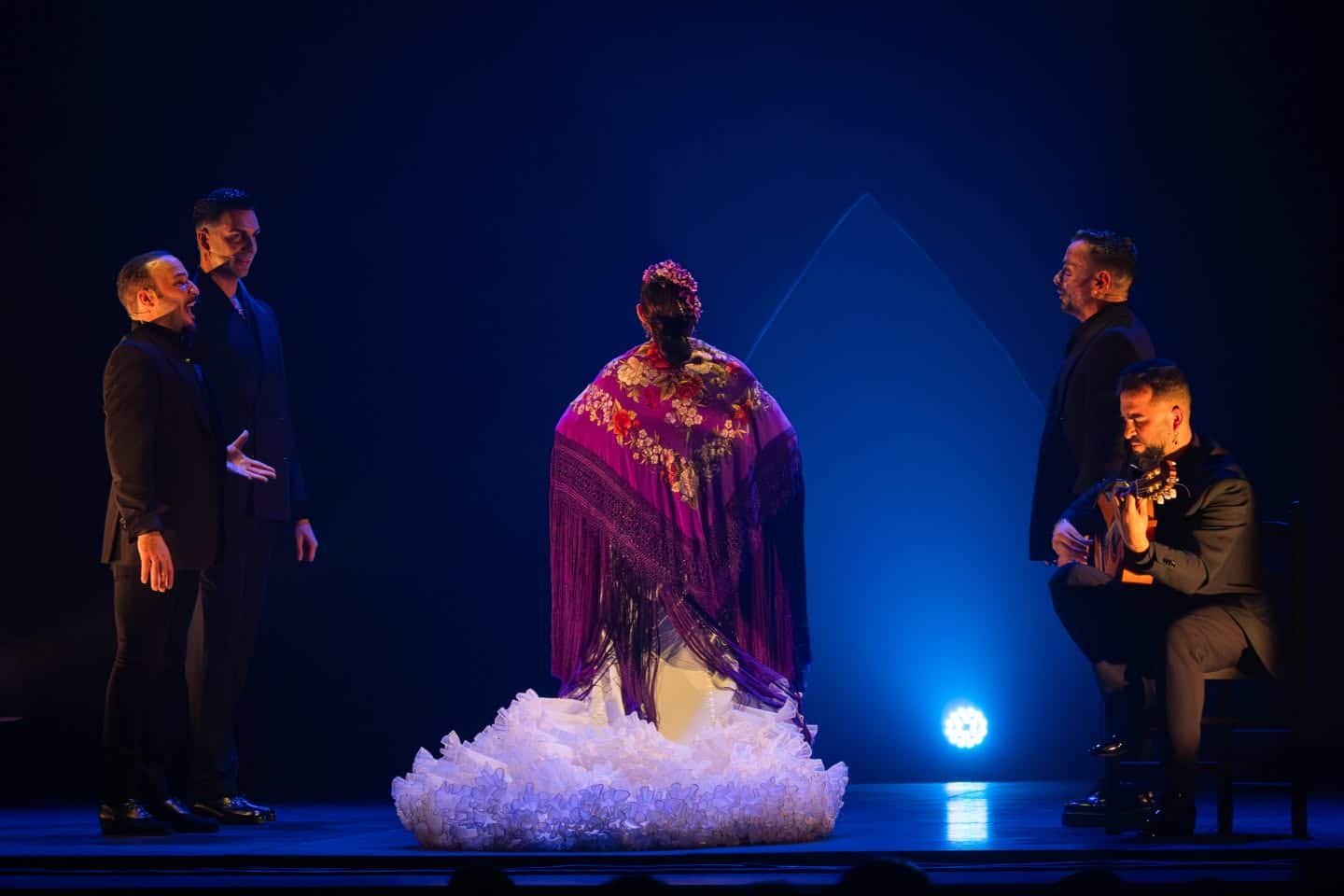
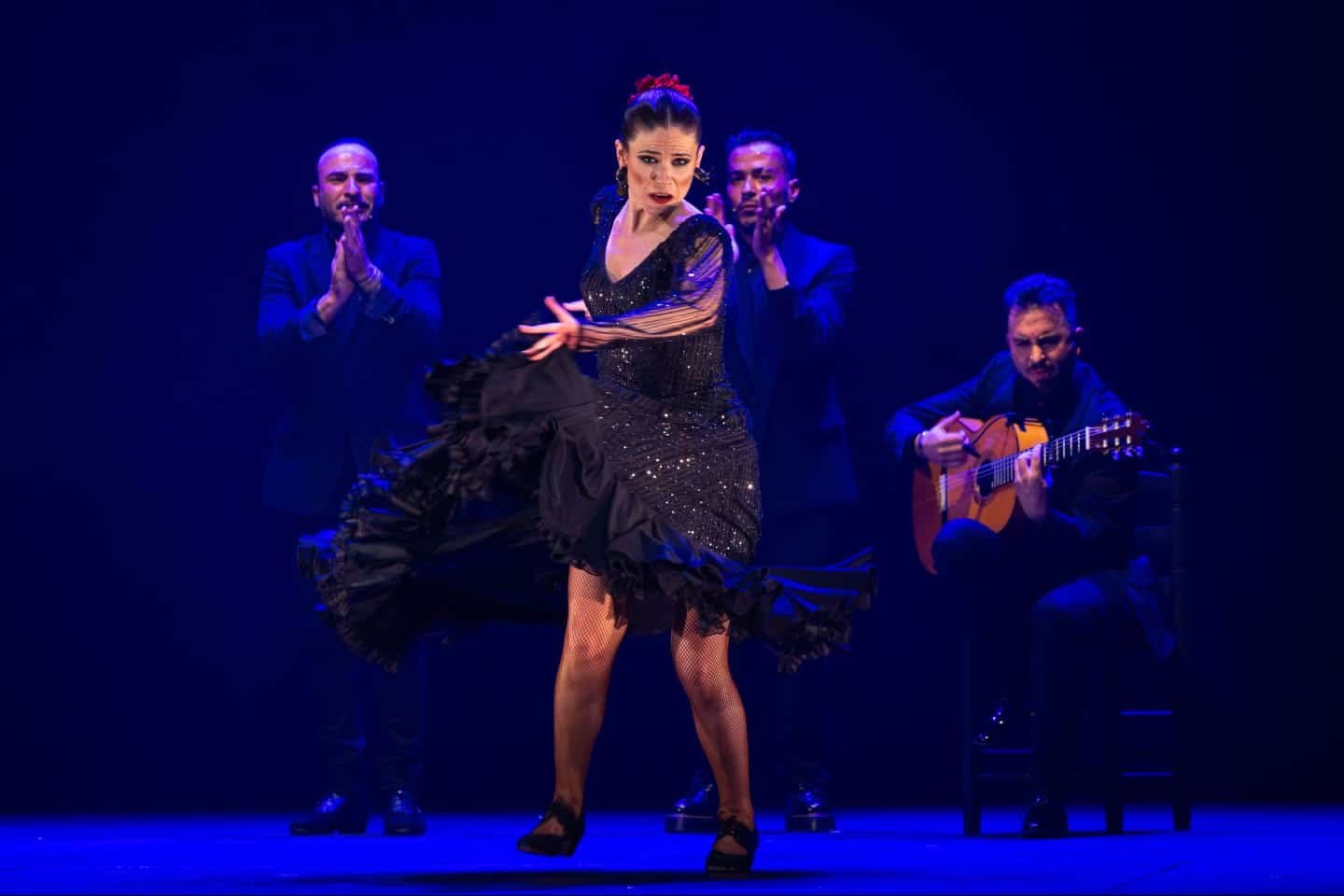
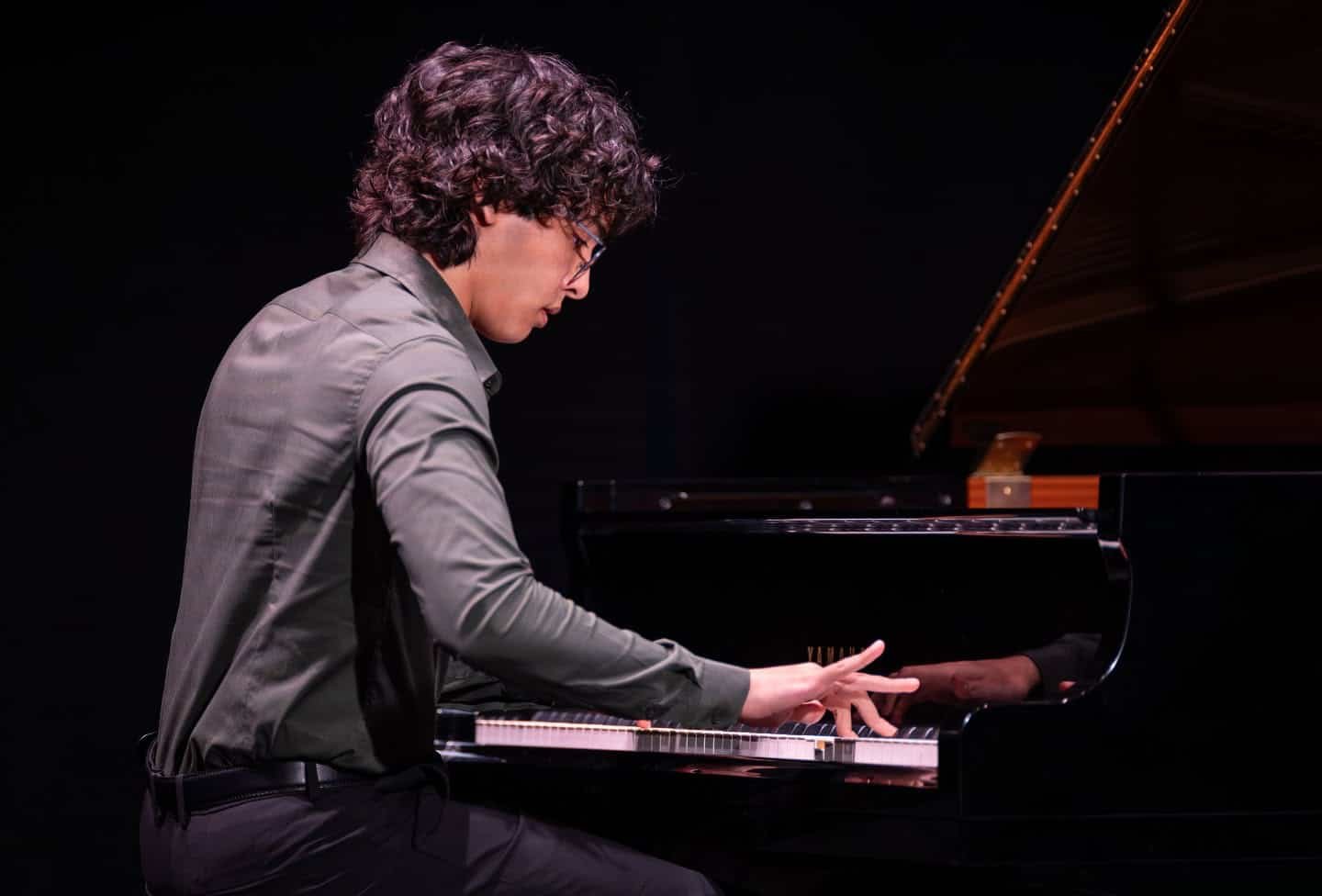
The festival combines major theatrical productions with intimate flamenco performances, concerts, workshops, masterclasses, exhibitions and activities in traditional cultural spaces. Its principal artistic focus is flamenco dance, but the programme also encompasses Spanish dance, guitar, singing, contemporary choreography and different forms of stage experimentation.
The festival’s main home is Teatro Villamarta, a major performing-arts venue in the centre of Jerez. Other festival spaces can include Sala Compañía, Palacio de Villavicencio, Museo de la Atalaya, Centro Social Blas Infante, local flamenco clubs and other cultural locations around the city. Official tourism information describes the event as a broad multidisciplinary programme combining major names with smaller formats and emerging talent.
Enjoy Your Event Stress-Free with Spain Travelo
Planning a trip around a festival, concert, cultural celebration, or business event in Spain can be time-consuming—finding tickets, accommodation, transportation, and local information takes effort. Spain Travelo makes it easier by bringing essential event information, travel planning, and support together in one place.
One of the most distinctive aspects of Festival de Jerez is its educational programme. Visitors do not have to remain spectators: participants can enrol in dance courses and workshops taught by recognized flamenco professionals. The current programme includes classes for beginners, intermediate students, advanced dancers and professional-level participants, together with specialist workshops covering rhythm, hand clapping, guitar, singing and other aspects of flamenco.
For international visitors, the festival offers an opportunity to experience Jerez through its most internationally recognized cultural tradition while also discovering the city’s historic centre, sherry culture, gastronomy, architecture and local flamenco communities.
What Makes This Event Special
Festival de Jerez stands out because it combines professional performances, cultural heritage and practical artistic education within the same event. The festival can be experienced as a theatre festival, a flamenco gathering, an educational programme or a wider cultural trip through Andalusia.
Several elements make it particularly distinctive:
- Flamenco at its source: Jerez is internationally associated with flamenco, particularly the bulería tradition, and the city’s historic neighbourhoods have strong connections with generations of flamenco artists.
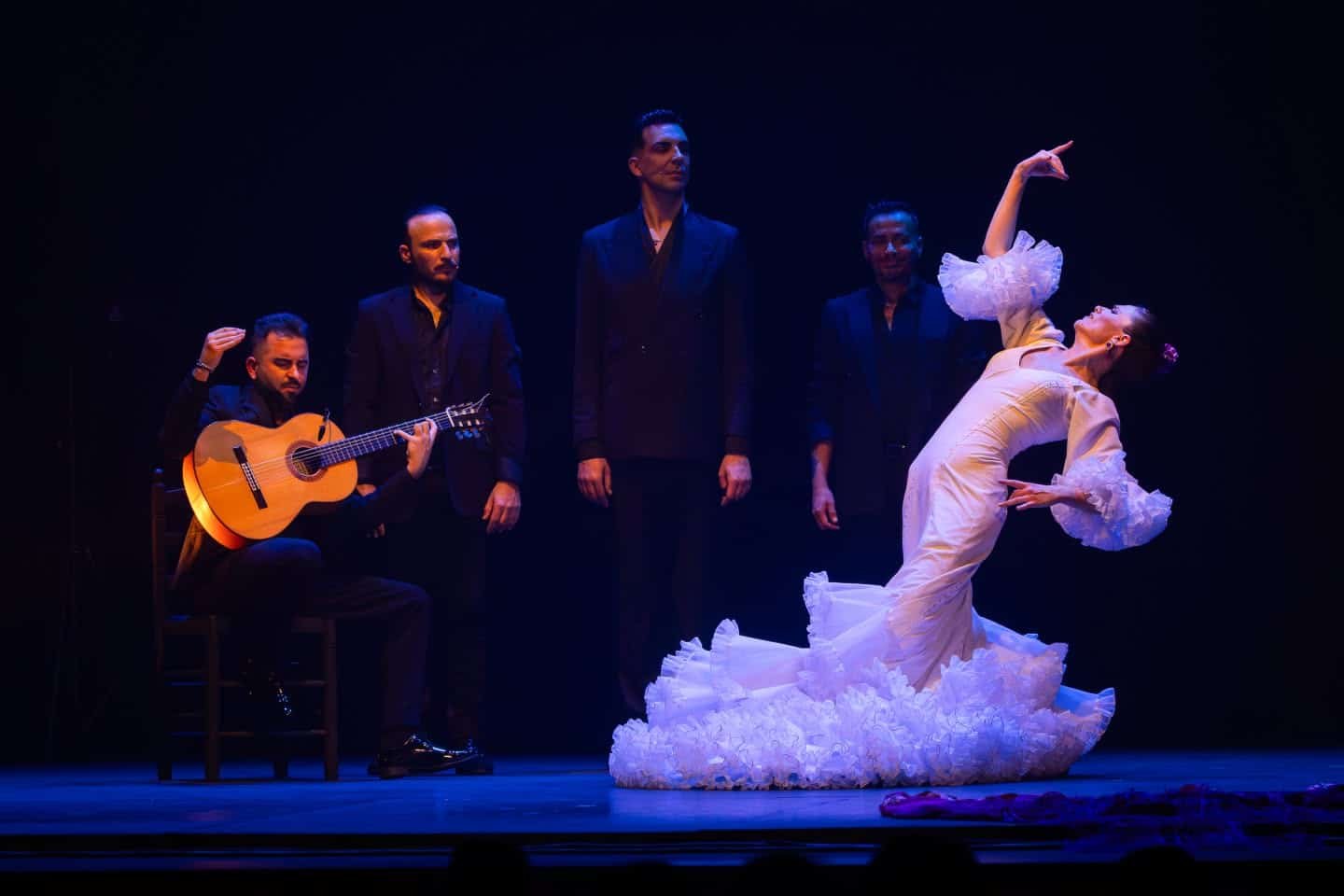
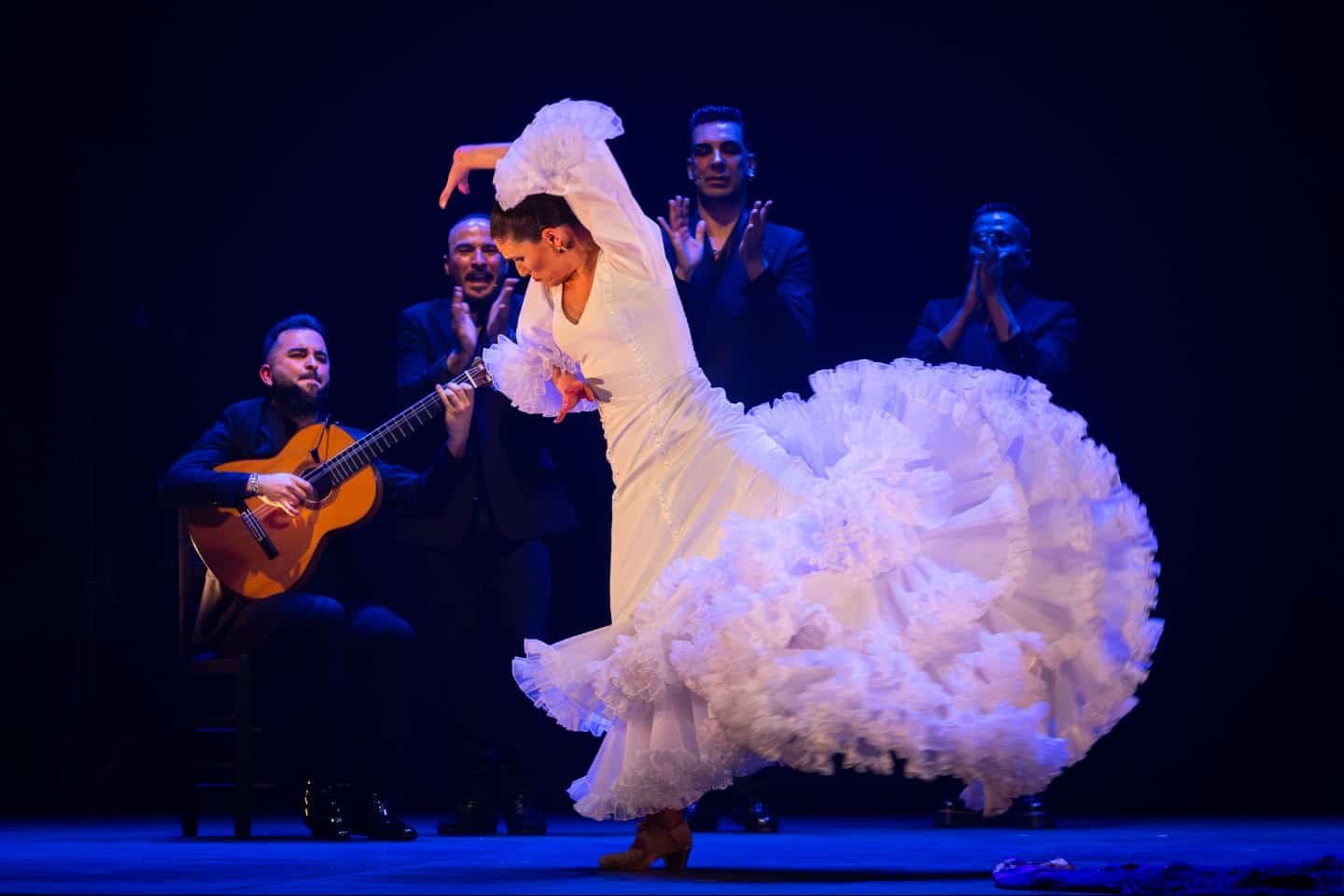
- Major stage productions: Leading dancers and companies present full-length productions at Teatro Villamarta.
- Intimate flamenco: Smaller spaces provide opportunities to experience more traditional and close-up performances.
- International learning: Students travel from many countries to study with professional flamenco teachers.
- Different artistic generations: The programme brings together established masters, established companies, younger performers and emerging artists.
- Traditional and contemporary approaches: Productions can preserve traditional flamenco forms while also experimenting with theatre, contemporary dance, music and visual storytelling.
- Historic surroundings: Performances and activities take place in theatres, palaces, museums, cultural centres and flamenco spaces throughout Jerez.
- Courses and workshops: The educational programme allows visitors to actively study flamenco rather than simply watch it.
The educational side is particularly significant. The official festival reports that its courses attract participants from numerous countries, creating an international community of students who come to Jerez specifically to learn from flamenco teachers.
This mixture of performance and learning gives Festival de Jerez a different atmosphere from many conventional cultural festivals. During the day, the city can be filled with students attending classes, while evenings bring audiences to theatres and other venues for professional performances.
Lineup / Featured Artists
The 2027 Festival de Jerez programme is already developing through its official performance and educational channels. The festival’s official website identifies the edition as its 31st and has published a dedicated course programme featuring numerous recognized flamenco teachers.
The educational programme includes artists and teachers such as Irene Carrasco, Fernando Jiménez, Rocío Coral, Manuel Betanzos, Mercedes Ruiz, Rafaela Carrasco, Almudena Serrano, Inmaculada Aguilar, Alicia Márquez, Manuel Liñán, Marco Flores, Alfonso Losa, Saray García, Juan Antonio Tejero, Iván Vargas, María del Mar Moreno, Úrsula López, Leonor Leal, Andrés Peña, La Moneta, Antonio El Pipa, Eduardo Guerrero, Mercedes de Córdoba, Manuela Carpio, Olga Pericet, Concha Jareño and Javier Latorre.
The course programme covers a remarkably broad range of flamenco techniques, including tangos, romances, bata de cola, tientos, soleá, bulerías, alegrías, farruca, cantiñas, tarantos, siguiriyas, caña, mantón and other forms.
The performance programme is also central to the festival. Festival de Jerez traditionally presents professional companies and individual artists in full theatrical productions, while complementary programmes introduce audiences to emerging performers and local talent.
Featured artistic areas include:
- Flamenco dance
- Spanish dance
- Flamenco guitar
- Cante flamenco
- Contemporary choreography
- Flamenco theatre
- Traditional local styles
- Cross-disciplinary performance
- Emerging artists
- Educational demonstrations and workshops
The festival also maintains a strong connection with Jerez’s younger artists and local flamenco communities. Its peña programme provides a platform for performers who represent the continuing development of Andalusian flamenco.
Because the artistic programme can develop and change, visitors should consult the official Festival de Jerez programme for the latest confirmed performance details.
Event Experience
The Festival de Jerez experience begins long before entering a theatre. The city itself is part of the festival environment.
Students can be seen moving between dance classes, while professional artists rehearse and perform at different venues. Visitors can walk through the historic centre between performances, stop at a traditional tabanco, visit a winery or discover a flamenco performance in a smaller venue.
Teatro Villamarta provides the principal large-scale theatrical environment. The venue is located in the centre of Jerez and is dedicated to theatre, music, flamenco, dance, opera and other performing arts. The city tourism authority specifically identifies the theatre as one of the principal homes of Festival de Jerez.
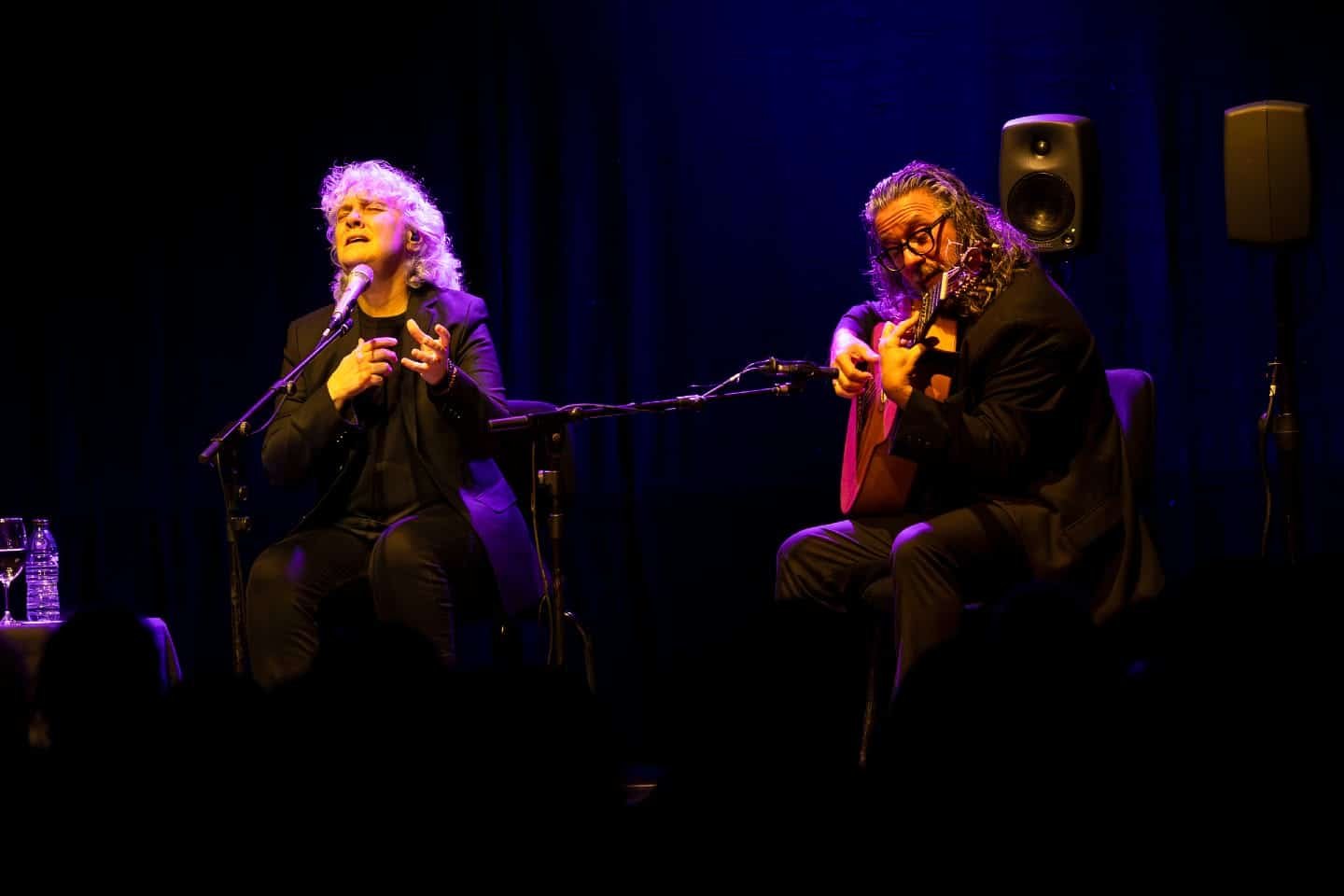
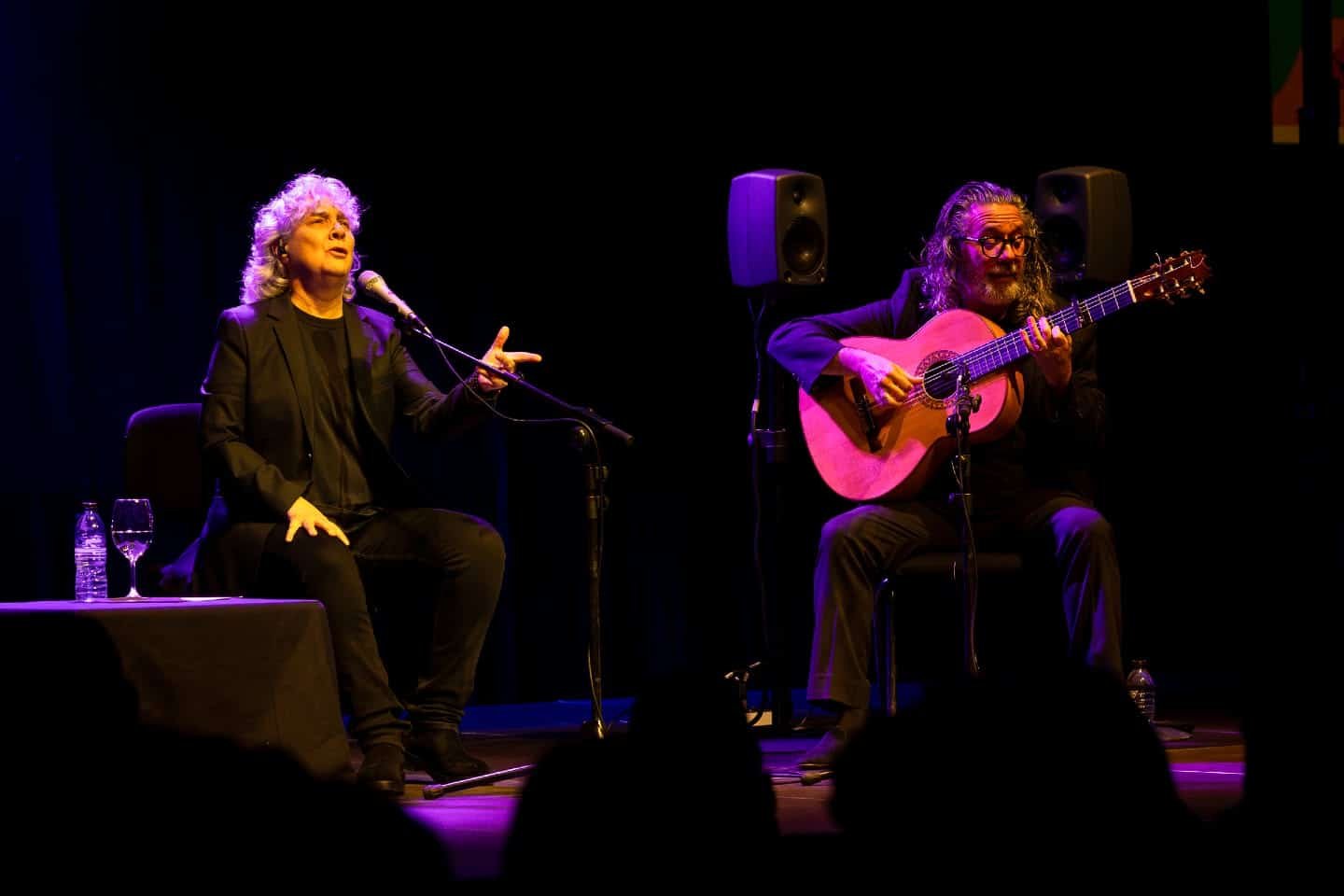
Smaller spaces provide a contrasting experience. Performances in intimate cultural venues or flamenco settings allow audiences to observe footwork, guitar playing, singing and rhythmic interaction from a much closer distance.
The festival also encourages active participation. Its courses are divided according to ability, from introductory levels through professional development, while workshops can focus on specific aspects of flamenco such as compás, palmas, guitar or dance technique.
For visitors who are new to flamenco, attending a performance followed by a traditional flamenco evening in the city can provide a useful introduction. Experienced flamenco enthusiasts can build a more intensive itinerary around multiple shows, classes and cultural activities.
Date & Schedule
Festival de Jerez de la Frontera 2027 takes place from February 19 to March 6, 2027, in Jerez de la Frontera, Andalusia, Spain. The official festival website confirms these dates for the 31st edition.
The festival programme combines professional performances with courses, workshops and complementary activities. The official course programme is organized into different teaching periods and daily sessions, allowing participants to choose classes according to their experience and preferred flamenco style.
The educational programme includes morning, midday and afternoon classes, together with specialist workshops and individual intensive activities. Topics include dance technique, bulerías, tangos, soleá, guitar, palmas, rhythm, castañuelas and flamenco history.
The performance programme takes place across several venues, with Teatro Villamarta serving as the principal theatre. Visitors should consult the official schedule for individual show times, venue information and ticket availability because the programme is distributed across different locations.
Visiting this event? Don’t miss out on these amazing activities and local experiences while you’re here.
Location & Venue
Festival de Jerez is based in Jerez de la Frontera, a historic city in the province of Cádiz in southwestern Spain.
Teatro Villamarta is the principal festival venue. It stands at Plaza Romero Martínez in the centre of Jerez and is an important performing-arts institution for the city. The theatre’s official information describes its programme as covering theatre, classical and contemporary music, flamenco, dance, opera and zarzuela.
Other festival spaces can include:
- Sala Compañía
- Palacio de Villavicencio
- Museos de la Atalaya
- Centro Social Blas Infante
- Centro Andaluz de Documentación del Flamenco
- Local flamenco clubs and peñas
- Other cultural spaces throughout Jerez
The variety of venues is important because it allows the festival to move between large theatrical productions and smaller, more intimate presentations. Cádiz tourism describes the festival as using some of the city’s most emblematic spaces, including Teatro Villamarta, Sala Compañía, the Atalaya Museums, Palacio de Villavicencio and Centro Social Blas Infante.
Event History
Festival de Jerez has developed a strong international reputation as a meeting point for flamenco dance and Spanish dance. Its importance comes not only from its stage programme but also from its educational mission and relationship with the local flamenco community.
The festival’s artistic identity is closely connected with Jerez itself. The city’s official tourism authority describes Jerez as a place where flamenco can be experienced in everyday life, particularly in historic neighbourhoods such as San Miguel and Santiago. The city is strongly associated with the bulería tradition and with numerous influential flamenco families and artists.
Over its editions, the festival has hosted major dancers, choreographers, companies, singers and musicians while maintaining opportunities for local performers and emerging artists.
Education has remained one of its defining characteristics. The festival’s course programme provides different levels of instruction and allows students to study directly with professional artists. The organizers describe the educational area as an important mechanism for transmitting flamenco knowledge to new generations and international students.
The festival therefore serves several audiences at once: professional artists, serious students, international flamenco enthusiasts, casual cultural tourists and residents of Jerez.
Its combination of artistic performance and education has helped establish Jerez as an international destination for people interested in flamenco.
Getting to the Event
Jerez de la Frontera is well connected within Andalusia and can be reached by road, rail and air.
Jerez Airport is the nearest commercial airport and provides access to the city for visitors arriving by air. Seville Airport is another useful option for international travellers, particularly when flight availability is greater.
The city has a railway station with connections to other Andalusian destinations and wider Spanish rail services. Visitors can also reach Jerez by road from Cádiz, Seville and other cities in the region.
Once in Jerez, many central festival venues are accessible on foot because Teatro Villamarta and several cultural locations are located in or near the historic centre.
Walking is particularly useful for visitors staying centrally. It also allows festival-goers to discover historic streets, squares, traditional businesses and flamenco-related locations between performances.
For venues outside the central area, local buses, taxis or private vehicles can be considered. Visitors attending multiple performances should check each venue’s location before planning their evening.
Where to Stay Nearby
The historic centre of Jerez is one of the most practical areas for festival visitors. Staying centrally provides easier access to Teatro Villamarta, restaurants, cultural attractions and many smaller flamenco venues.
Accommodation choices include:
- Boutique hotels in historic buildings
- Traditional city hotels
- Guesthouses
- Apartments
- Budget accommodation
- Rural accommodation outside the centre
Staying near the historic centre is particularly convenient for visitors who plan to attend multiple performances because several cultural attractions and dining areas can be reached on foot.
Jerez tourism provides accommodation information through the city’s official visitor resources, including options across different parts of the city.
Visitors who want a quieter experience can stay farther from the centre and use taxis or public transport for evening performances.
For students attending courses, accommodation close to the teaching venues can be especially useful because classes may take place at different times of the day.
Things to Do Before or After the Event
Jerez offers plenty of cultural activities that can be combined with Festival de Jerez.
- Explore the historic centre: Walk through the old streets and squares surrounding the principal cultural venues.
- Visit the Alcázar of Jerez: Explore the city’s historic fortress complex.
- Discover the Andalusian Flamenco Centre: Learn more about flamenco history and documentation.
- Visit local wineries: Jerez is internationally associated with sherry and wine production.
- Explore San Miguel: This historic neighbourhood has strong connections with Jerez’s flamenco culture.
- Explore Santiago: Another important flamenco neighbourhood with traditional cultural associations.
- Visit the Royal Andalusian School of Equestrian Art: Experience the city’s internationally recognized equestrian tradition.
- Visit local markets: Discover Andalusian produce and regional food.
- Attend a flamenco show: Explore performances outside the principal festival programme.
- Walk through the historic centre at night: The city’s streets and squares can provide a relaxed setting before or after performances.
The city’s official tourism information emphasizes flamenco, wine tourism, gastronomy, equestrian culture, heritage and nature as major parts of the Jerez visitor experience.
Restaurants & Dining Nearby
Jerez provides a strong food culture that complements the festival. Visitors can choose from traditional Andalusian restaurants, tapas bars, tabancos, contemporary restaurants and wine-focused establishments.
Tabancos are particularly relevant to a Festival de Jerez visit. These traditional establishments combine local drinks, food and social culture, and some also host flamenco performances.
Tabanco El Pasaje is an example located in the historic centre. The official Jerez tourism website describes it as a traditional space combining sherry and flamenco, with local cheeses, cured meats, pork products and other regional foods. It is also close to Teatro Villamarta and several major attractions.
Visitors can look for traditional Andalusian dishes such as:
- Iberian pork products
- Local cheeses
- Fried fish
- Gazpacho and seasonal soups
- Andalusian tapas
- Stewed meats
- Local seafood
- Regional desserts
- Jerez wines and other local beverages
For performances beginning in the evening, dining earlier can be useful because popular restaurants near the main venues may become busy.
A food-and-flamenco evening is also a natural way to experience the cultural environment surrounding the festival.
Ticket Information
Ticket prices for the 2027 performance programme can vary according to the production, venue and seating category. The festival’s official ticket information provides the definitive prices for individual performances.
For reference, previous-edition Teatro Villamarta ticket prices included approximately:
- $44.90 for selected premium seating
- $39.29 for selected seating categories
- $35.92 for selected upper-level seating
- $41.53 for some premium performances
- $35.92 for selected lateral or upper-level seating
- $28.06 for selected amphitheatre seating
- $33.68 for selected performances in other festival spaces
- $22.45 for selected smaller-venue performances
These are historical reference prices converted into USD using the European Central Bank reference rate of 1 EUR = 1.1225 USD published on October 2, 2026. They should not be treated as confirmed 2027 prices.
The festival also offers different types of passes for groups of performances. Previous ticketing arrangements included daily passes, Teatro Villamarta passes and passes covering performances in other spaces.
The educational programme is separately priced. Previous course structures included approximately $364.81 for introductory-level courses and $409.71 for basic, intermediate and professional-level courses, while certain inclusive flamenco courses were approximately $129.09. These are historical reference figures only.
Visitors should purchase tickets through the official Festival de Jerez channels or the authorized ticketing platform and verify the exact conditions attached to each performance.
Tips Before You Go
- Book accommodation early: Festival periods can increase demand for centrally located rooms.
- Choose accommodation carefully: Staying near the historic centre can make walking between venues much easier.
- Check the venue: Not every performance takes place at Teatro Villamarta.
- Plan your evenings: Different venues can require separate travel arrangements.
- Arrive early: Theatre seating and smaller venues may have their own admission procedures.
- Bring comfortable footwear: Visitors may walk between performances, restaurants and cultural attractions.
- Explore the local flamenco scene: Festival performances are only one part of Jerez’s flamenco culture.
- Consider a course: Visitors with dance experience can combine performances with practical learning.
- Check course levels carefully: The educational programme distinguishes between introductory, intermediate, advanced and professional participants.
- Allow time for food: Jerez’s tabancos and restaurants are an important part of the cultural experience.
- Respect photography rules: Theatre and performance venues can restrict photography and recording.
- Check official updates: Festival schedules and programme details can change, so confirm information before travelling.
Official Event Information
The official source for Festival de Jerez is the festival website, which provides information about performances, courses, workshops, tickets, venues and festival announcements.
Official website: Festival de Jerez (https://www.festivaldejerez.es/)
Official email: festivaldejerez@gmail.com
Official telephone: +34 956 14 96 85
The festival’s official contact information identifies Teatro Villamarta at Plaza Romero Martínez in Jerez de la Frontera as the principal contact location.
The official course programme is also available through the festival website, with information about teachers, levels, subjects, schedules and registration.
Visitors should use the official website for the latest information about tickets, performance changes, course availability, venue arrangements and accessibility.
Attendee Experiences
Festival de Jerez offers several different ways to experience flamenco.
For a first-time visitor, a major performance at Teatro Villamarta can provide an introduction to contemporary professional flamenco. The theatre environment allows audiences to experience choreography, live musicianship, singing and stage design as a complete production.
More experienced flamenco followers may prefer smaller performances where the relationship between dancer, singer, guitarist and audience can feel much more immediate.
The educational programme creates another level of participation. Students can spend part of their visit learning technique from professional artists and then attend performances in the evening. This creates a direct connection between classroom learning and professional stage work.
International participation is another major feature. Official festival information has highlighted students arriving from dozens of countries, demonstrating the international audience attracted by Jerez’s flamenco tradition.
Visitors can also experience the city beyond formal performances. A walk through San Miguel or Santiago, dinner at a traditional tabanco, a winery visit and an evening performance can create a much broader cultural experience.
The festival is therefore particularly suitable for visitors who want to understand flamenco as a living tradition rather than simply watch an isolated stage show.
Tickets Sell Out
in Minutes
Maps
Contact
Video
FAQ's
What is Festival de Jerez?
Festival de Jerez is a major flamenco and Spanish dance festival held in Jerez de la Frontera, Andalusia. It combines professional stage productions with flamenco courses, workshops, concerts, cultural activities and performances in traditional venues throughout the city.
Where does Festival de Jerez take place?
The principal venue is Teatro Villamarta in central Jerez, but the festival also uses Sala Compañía, Palacio de Villavicencio, Museo de la Atalaya, Centro Social Blas Infante and other cultural and flamenco spaces.
Who can participate in the Festival de Jerez courses?
The educational programme offers different levels ranging from introductory classes to intermediate, advanced and professional-level training. Courses cover dance technique and different flamenco forms, while specialist workshops can focus on subjects such as compás, palmas, guitar, singing and flamenco history.
Is Festival de Jerez suitable for people who are new to flamenco?
Yes. Visitors can choose introductory performances, beginner-level courses and cultural activities that provide an accessible introduction to the art form. Exploring Jerez's flamenco neighbourhoods and attending a smaller traditional performance can also help first-time visitors understand the local context.
What else can visitors do in Jerez during the festival?
Visitors can explore the historic centre, visit the Alcázar, discover the Andalusian Flamenco Centre, tour local wineries, experience traditional tabancos and explore the San Miguel and Santiago neighbourhoods. Jerez also offers strong connections with Andalusian gastronomy and equestrian culture.